
Last updated October 16, 2026
 Fire & smoke cleanup
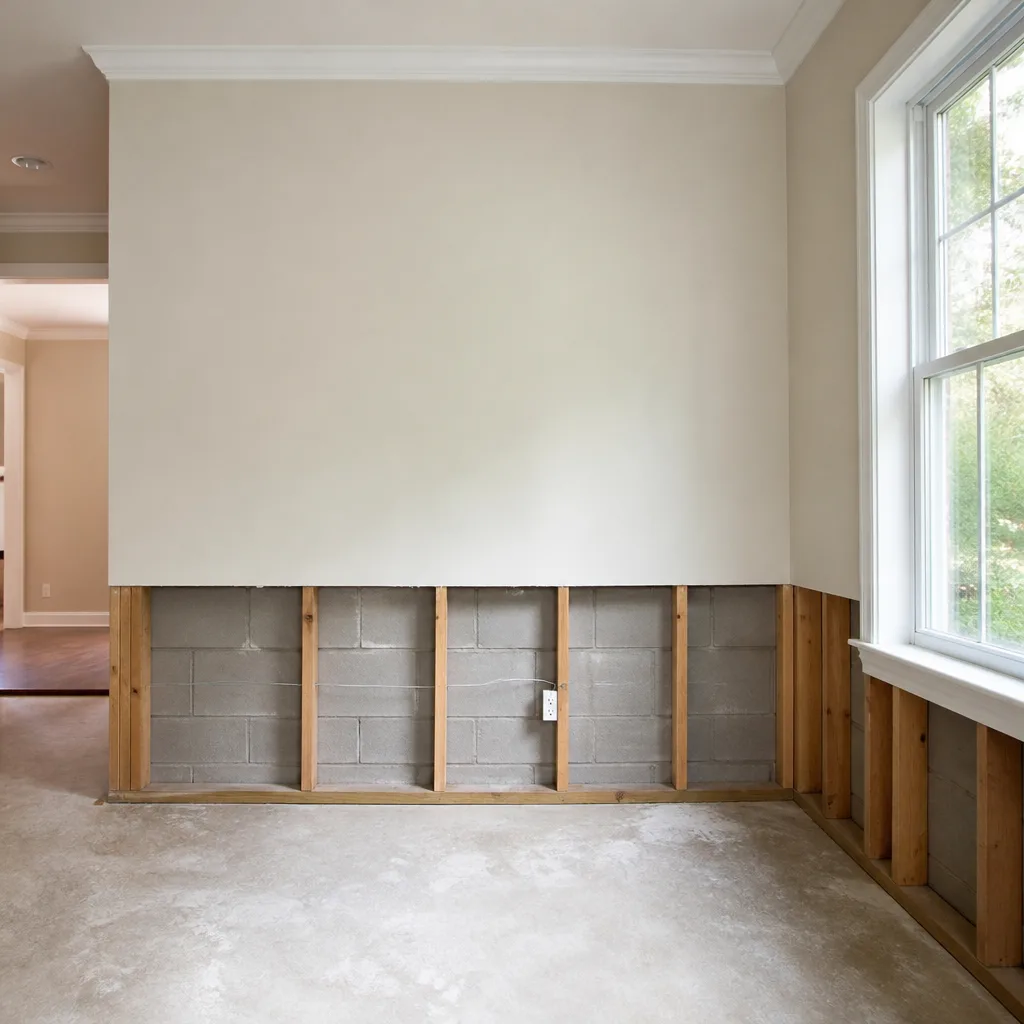 Mold remediation
 Storm response
 Sewage cleanup
 Reconstruction
Free visual inspection and a written scope of work before any mitigation begins - photos, moisture readings, and drying logs go in your claim file
The scope we write is the scope we bill. Anything new gets shown to you, in writing, before we touch it.
Get your free estimateSeasonal Damage Restoration Care for Yonkers: Year-Round Homeowner’s Guide
The most dangerous week for a Yonkers home is not the coldest week of January. It is the first week temperatures swing above freezing in late February, when ice dams drain into wall cavities and frozen ground cannot absorb snowmelt, pushing water toward foundations. Most homeowners miss this window entirely because they associate damage with storms, not thaws. This guide is built around the four specific risk windows that shape water damage in Yonkers, and it tells you exactly what to check, when to check it, and what to do if something fails. For a deeper look at the full process, see The Complete Guide to Damage Restoration in Yonkers.
Restoration work we handle
Quick Answer
Seasonal water damage prevention in Yonkers means acting before four specific windows: the late-February thaw, the April – May groundwater surge from the Saw Mill and Hudson rivers, the August – September hurricane remnant rainfall, and the November freeze-prep period. The single most important actions are clearing ice dam drainage paths in late winter, testing your sump pump in March, inspecting your HVAC condensate line in October, and keeping gutters clear year-round. A written inspection schedule and a functioning sump pump with a battery backup prevent more Yonkers water damage than any other two measures combined. You can download a printable version in our Water Damage Restoration Maintenance Checklist for Yonkers Homeowners.
Table of Contents
- Window One: The Late-February Thaw (Ice Dam Season)
- Window Two: April – May Groundwater Surge (Saw Mill and Hudson Basin)
- Window Three: August – September Hurricane Remnant Rainfall
- Window Four: November Freeze-Prep Before the First Hard Freeze
- The 12-Month Yonkers Homeowner’s Calendar (Zips 10701 – 10710)
- What Hydrostatic Pressure Actually Means in Yonkers
- Common Mistakes to Avoid
- When to Call a Professional
- Frequently Asked Questions
- The Bottom Line
Window One: The Late-February Thaw (Ice Dam Season)
Ice dams form when heat escapes from your attic and melts the underside of snow on your roof. The meltwater runs down to the colder eaves, refreezes, and creates a ridge of ice that traps water behind it. That trapped water then backs up under shingles and into wall cavities. In Yonkers, the late-February thaw is worse than in most of the Northeast because the Hudson River keeps air temperatures slightly warmer than inland Westchester, which means more partial melts before the final thaw. A home in Getty Square experiences a different thaw pattern than a home in Crestwood, but both face the same wall-cavity risk when the temperature crosses 32°F for the first time after a deep freeze.
The safe way to inspect ice dam drainage paths on a Yonkers rowhouse or attached home is from the ground. Use binoculars to check for icicles forming behind gutters, not just in front of them. Icicles behind the gutter mean water is flowing behind the gutter system and entering the soffit. Check the first warm day after a snow event. If you see wet spots on interior ceilings near exterior walls, that is ice dam water, and it needs attention before mold takes hold. Do not climb onto a snow-covered roof. Do not chip at the ice dam with a shovel or hammer. The roof warranty is voided by mechanical ice removal, and Yonkers rowhouses with shared walls mean a neighbor’s ice dam can drain into your wall cavity. Watch for that too.
What you can do safely: clear snow from the bottom three feet of the roof with a roof rake while standing on the ground, keep attic vents open, and check that your attic insulation is not blocking soffit vents. In our experience, the homes that avoid ice dam damage in Yonkers are the ones where someone checked the attic ventilation in October, not the ones that bought a roof rake in February.
Window Two: April – May Groundwater Surge (Saw Mill and Hudson Basin)
Yonkers has two rivers shaping its water table: the Hudson on the west and the Saw Mill River running through the center and south of the city. When snowmelt from upstate combines with spring rain, both rivers rise and so does the groundwater beneath the neighborhoods around them. Homes in the lower-lying areas near the Saw Mill River Parkway corridor, and homes built into the slope in Park Hill and Ludlow, feel this surge as water pressing against foundation walls from the outside. That pressure is what restoration professionals call hydrostatic pressure, and in Yonkers it peaks in April and May.
The one sump pump test every homeowner should run in March is simple. Pour a five-gallon bucket of water into the sump pit slowly enough that the float switch activates. Watch what happens. If the pump kicks on, discharges water, and shuts off cleanly, you are in good shape. If it hesitates, runs constantly, or does not turn on at all, replace it before April. A battery backup is not optional in Yonkers, because the spring groundwater surge often coincides with the thunderstorms that knock out power. Without power, a sump pump does nothing. Without a sump pump, a finished basement in Yonkers can take on several inches of water in under an hour during a spring storm.
Check your discharge line too. It should carry water at least ten feet away from the foundation and downhill from the house. In Yonkers, where many homes are built on slopes, a discharge line that empties onto a walkway will send water right back down against the foundation wall. Extend it. And if you have window wells, clear the debris out of them in March. A clogged window well in a below-grade Yonkers basement is a funnel for groundwater.
Window Three: August – September Hurricane Remnant Rainfall
Yonkers does not get direct hurricane hits often, but it gets the remnants. When a hurricane moves up the coast and collides with cooler air over the Hudson Valley, the result is intense rainfall in a short window. The city’s combined sewer system, especially in older sections like Hollow and Nodine Hill, can back up when rainfall exceeds capacity. That means water entering homes from the street side and the sewer side, not just through roofs and foundations.
The preparation work for this window happens in July and early August. Clean gutters and downspouts thoroughly. Check that downspout extensions move water at least six feet away from the foundation. Inspect basement floor drains for slow drainage; pour a bucket of water down each one and watch how fast it clears. If it is slow, have the line scoped before the heavy rains arrive. Check the seal around basement windows and window wells. The week before a forecasted heavy rain, move valuables off basement floors and test the sump pump again. These steps take a Saturday afternoon and often prevent tens of thousands of dollars in damage.
One Yonkers-specific vulnerability is the hillside. Homes built into the slopes in the northwest section of the city, and along the river bluffs, face surface runoff during heavy rain that flat-lot homes never see. If your home sits below a slope, check that any retaining walls have working drainage and that no soil has eroded to create a channel pointing at your foundation. A channel that did not exist last year is a new water path, and it will find its way inside.
Window Four: November Freeze-Prep Before the First Hard Freeze
The two most common winter water calls in Yonkers are not burst pipes. They are condensate line freeze-ups and attic condensation from insufficient ventilation. Both are preventable in November, and both cause water damage that looks like a pipe burst but is actually an HVAC failure.
The condensate line carries moisture from your furnace or air handler to a drain. When the line runs through an unheated space, like an attached garage or a crawl space, it can freeze in the first hard cold snap. Once it freezes, the water backs up and spills into the ceiling or wall. The fix is to insulate the line with pipe insulation in November, especially where it passes through unheated areas. If your condensate line has a history of freezing, add heat tape. This is a one-hour job that prevents the most common winter water call we see in Yonkers.
Attic condensation is different. When warm, moist air from the living space rises into a cold attic, it condenses on the underside of the roof sheathing. Over a Yonkers winter, that condensation can drip onto insulation and ceiling drywall, causing stains and mold. The root cause is insufficient attic ventilation, often in older Yonkers homes where soffit vents were painted over or blocked by blown-in insulation. In November, check your attic on a cold morning. If you see water droplets on the underside of the roof deck, or frost on the nails, your attic needs more ventilation. A restoration professional can tell you the difference between an attic condensation problem and a roof leak, and the fix is far cheaper before December than after.
The 12-Month Yonkers Homeowner’s Calendar (Zips 10701 – 10710)
Here is the month-by-month schedule designed for Yonkers zip codes 10701 through 10710. Print it. Put it on the wall. The whole point of seasonal water damage prevention is doing the right check in the right month, not doing everything all year.
- January: Check attic for frost on nails or condensation on the roof deck after cold snaps. Check for ice dam warning signs: icicles behind gutters, wet spots on ceilings near exterior walls.
- February: The late-February thaw is the most dangerous week of the year. Watch the first day above freezing after a deep freeze. Check ceilings, windows, and exterior walls for moisture. Do not climb onto snow-covered roofs.
- March: Test the sump pump with a five-gallon bucket. Clear debris from window wells. Check downspout extensions. Inspect the discharge line for blockages.
- April: Groundwater surge begins. Check foundation walls for new cracks or efflorescence (white powdery residue). Check basement floor drains. If you have a French drain, check that it is clear.
- May: Inspect gutters after spring storms. Check that soil around the foundation slopes away from the house. Look for new channels of erosion on hillsides.
- June: Check window wells and basement windows for seal integrity. Run dehumidifiers if basement humidity exceeds 55%. Inspect roof for damaged shingles from spring storms.
- July: Clean gutters and downspouts thoroughly. Test the sump pump again. Check that downspout extensions discharge at least six feet from the foundation.
- August: Hurricane remnant season begins. Check floor drains for slow clearance. Move valuables off basement floors before forecasted heavy rain. Verify sump pump battery backup works.
- September: After heavy rain events, check basement walls for moisture. Check that gutters are clear of late-summer debris. Inspect the roof for lifted or missing shingles.
- October: Insulate HVAC condensate lines. Check attic ventilation: soffit vents clear, not painted over, not blocked by insulation. Clean gutters one more time before leaf fall finishes.
- November: Freeze-prep before the first hard freeze. Disconnect garden hoses. Insulate exposed pipes in unheated areas. Test the sump pump one final time before winter.
- December: Check attic for condensation after the first week of hard cold. Watch for ice dam formation after the first significant snow. Keep gutters as clear as possible through leaf fall.
What Hydrostatic Pressure Actually Means in Yonkers
Hydrostatic pressure is the weight of water pressing against your foundation from the outside. When the soil around your home is saturated, that water pushes against the foundation walls with enough force to find any crack, joint, or porous section. In Yonkers, the pressure peaks in spring because the Saw Mill River and the Hudson River both rise with snowmelt and spring rain, and the city’s older neighborhoods sit on soil that drains slowly. The result is water entering basements through walls and floors that were dry all winter.
The plain-English way to understand this: your foundation is not waterproof, it is water-resistant. Under normal conditions, the soil around it is dry enough that water never presses against the wall long enough to find a way in. In April and May, the soil is saturated for weeks, and the water has time to work its way through the tiniest gaps. That is why the March sump pump test matters. The pump is not there to remove water that has already caused a problem. It is there to keep the water table around your foundation low enough that hydrostatic pressure never builds up against the walls. When the pump fails, the pressure wins.
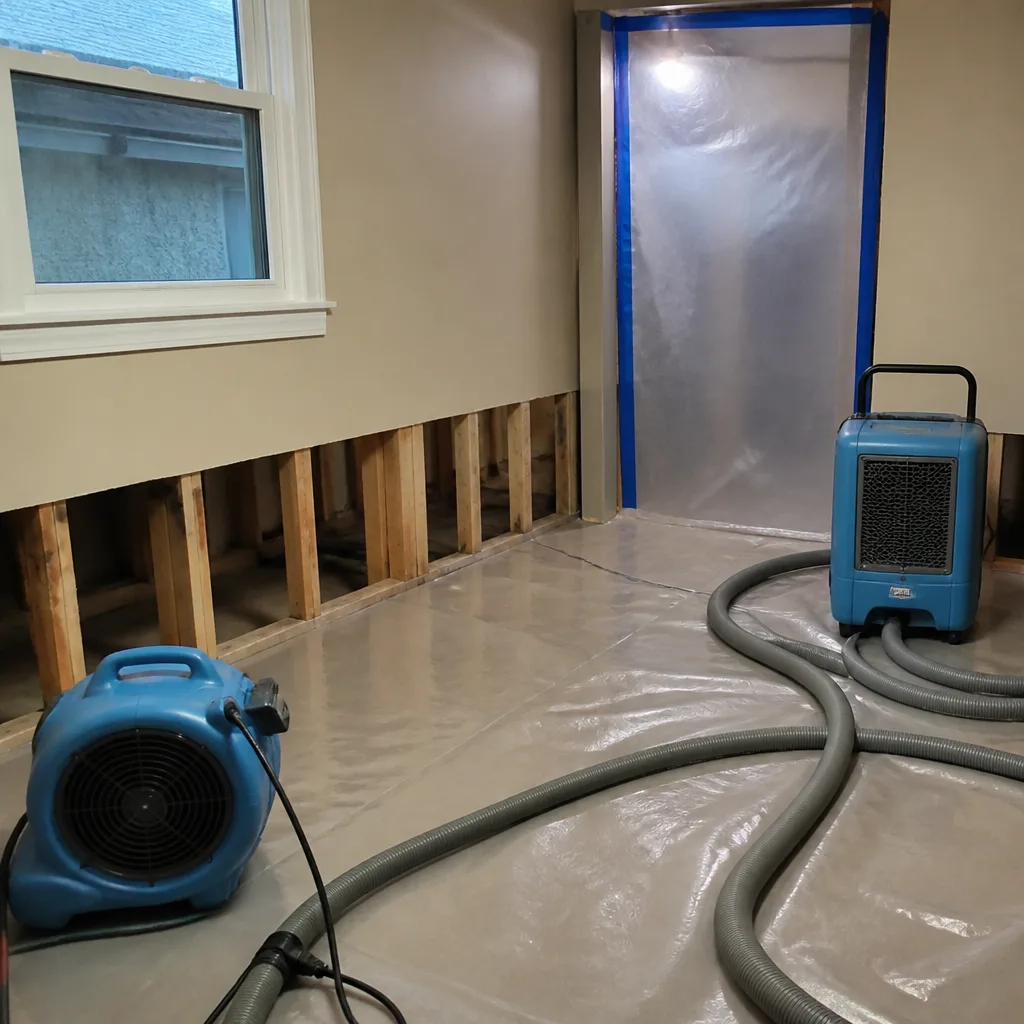
For homes in the below-grade neighborhoods of Yonkers, like the areas along the Saw Mill River Parkway corridor and the lower sections of Ludlow and Park Hill, a backup sump pump is not a luxury. It is the difference between a dry basement and a flooded one every time a spring thunderstorm knocks out power. We use moisture meters and psychrometric readings (measuring the moisture in the air and materials) to confirm when a basement is genuinely dry after a groundwater event, not just dry on the surface. Surface-dry drywall can still be wet inside, and that is where mold starts.
Common Mistakes to Avoid
- Raking snow off the roof too late. Once an ice dam has formed, raking the snow off the top of the roof does not remove the dam at the eave, and the meltwater is already behind it. The rake is a prevention tool for the next snow, not a fix for the current dam.
- Ignoring a small ceiling stain because it dries. In Yonkers’s freeze-thaw climate, a water stain that dries in March almost always originates from an ice dam or a condensate line, and it will recur. The stain itself is not the problem; the path the water took to get there is the problem.
- Testing the sump pump by lifting the float switch with your hand. That tests the switch, not the pump. You need the volume of water to confirm the pump can move it.
- Assuming a finished basement is waterproof because it has never flooded. Every Yonkers basement with a concrete slab sits below the water table at some point in the year. The question is whether the water table reaches the slab. In April and May, it often does.
- Waiting until September to prepare for hurricane remnants. The August – September rainfall window is the same period when gutters are full of late-summer debris and downspout extensions have been knocked loose by lawn work. July and early August are when the preparation must happen.
- Insulating the attic floor without checking ventilation. Adding insulation to the attic floor in an older Yonkers home often blocks soffit vents by accident, which makes attic condensation worse. The ventilation has to be addressed in the same project as the insulation.
- Disconnecting the downspout extension because it is ugly. The extension that carries water six feet from the foundation is doing more work than anything else on the gutter system. Bury it or route it differently, but do not remove it.
When to Call a Professional
Call a professional when you see water entering the home from a source you cannot identify, when a ceiling stain grows or darkens even after the surface dries, when a sump pump fails during a storm, when you smell musty odors that do not go away with ventilation, or when mold is visible on any surface larger than a dinner plate. These are the situations where the damage is already inside the structure, and the right drying equipment matters. Marsh Water Damage Yonkers offers free estimates in Yonkers – call (914) 233-3437. We send a technician who arrives with a photo ID badge, a written scope of work, and a written price before any work starts. You know exactly who is coming and exactly what it costs.
Frequently Asked Questions
Most residential water extractions in Yonkers run between $1,200 and $3,500 before drying equipment is set, depending on the affected area and the category of water. A small clean-water leak from a supply line in a bathroom typically runs $800 to $1,500, while a finished basement groundwater flood requiring multiple days of drying equipment often runs $3,000 to $7,000. Mold remediation adds $500 to $600 per ten square feet on average when containment and HEPA air scrubbing are required. Call (914) 233-3437 for an exact quote – estimates are free, and every quote is in writing before any work begins.
A live person answers every call 24 hours a day, including holidays, and in most Yonkers neighborhoods a technician arrives the same day for an active water event. The longer water sits, the more it spreads into drywall, insulation, and subflooring, so speed matters. We dispatch from within the city and know the buildings, the streets, and the water patterns in every zip code from 10701 to 10710.
It depends on the source. Sudden and accidental events, like a burst pipe or hurricane wind damage to a roof that lets rain in, are typically covered by standard homeowners insurance. Groundwater seepage through a foundation is usually excluded, and gradual damage from a slow leak is often denied. The best approach is to have the damage assessed and photographed before any repair work begins. We document everything with moisture readings and thermal imaging, and we work directly with your adjuster if you file a claim. That documentation is often the difference between a covered claim and a denied one.
You deal with your adjuster, but we work alongside you. We provide the documentation, photos, moisture readings, and a written scope of work that the adjuster needs to evaluate the claim. The written scope is the key piece: it states exactly what was damaged, what needs to be done, and what it costs. Without a written scope from a credentialed restoration company, a claim is much harder to support. With one, the adjuster has something concrete to work from.
A cleaning addresses what you can see. Remediation addresses what you cannot see: the moisture in the wall cavity, the mold colonies behind the baseboard, the saturated subfloor under the tile. If water sat for more than 24 to 48 hours, or if the affected area includes drywall and insulation, a cleaning is almost never sufficient. The honest test is a moisture reading. If the material is still damp inside, it has to be dried or removed. We use moisture meters and psychrometric readings to show you the actual numbers, so you do not have to take anyone’s word for it.
It is a written guarantee on every repair we make. If the repair is not right within a full year, we make it right. A free second visit is included automatically on every work order, not something you have to ask for or argue about. The guarantee is documented, time-stamped, and printed on the work order. Marsh Water Damage Yonkers was founded in 2005 and has operated under this standard ever since, as part of the Threshold Group family of restoration companies.
The Bottom Line
Yonkers homes are not vulnerable year-round; they are vulnerable in four specific windows, and the damage each window causes is predictable. The late-February thaw causes ice dam water in walls. The April – May groundwater surge causes hydrostatic pressure against foundations. The August – September hurricane remnants cause sewer backups and surface runoff. The November freeze causes condensate line and attic condensation damage. A homeowner who does the right check in the right month prevents most of it. When water does get in, the speed of drying determines the cost of the fix. Start with the March sump pump test and the October HVAC check. Those two actions prevent more Yonkers water damage than anything else on this page. For additional seasonal tips, explore more guides & resources from our team.
If you live in Yonkers and you are looking at water damage right now, call (914) 233-3437. A live person answers. We tell you exactly who is coming, exactly what they will do, and exactly what it costs, in writing, before any work starts.
For more on what we do and how we operate, visit our Marsh Water Damage Yonkers home page. If you are dealing with an active leak or flood, read about our Water Damage Restoration in Yonkers process and equipment. If mold is the concern, see our Mold Remediation in Yonkers approach. And if a storm just came through, check our Storm Damage Restoration in Yonkers page for what to do in the first 24 hours.
Written by Tobias Reyner, Owner at Marsh Water Damage Yonkers, serving Yonkers since 2005.
See the difference
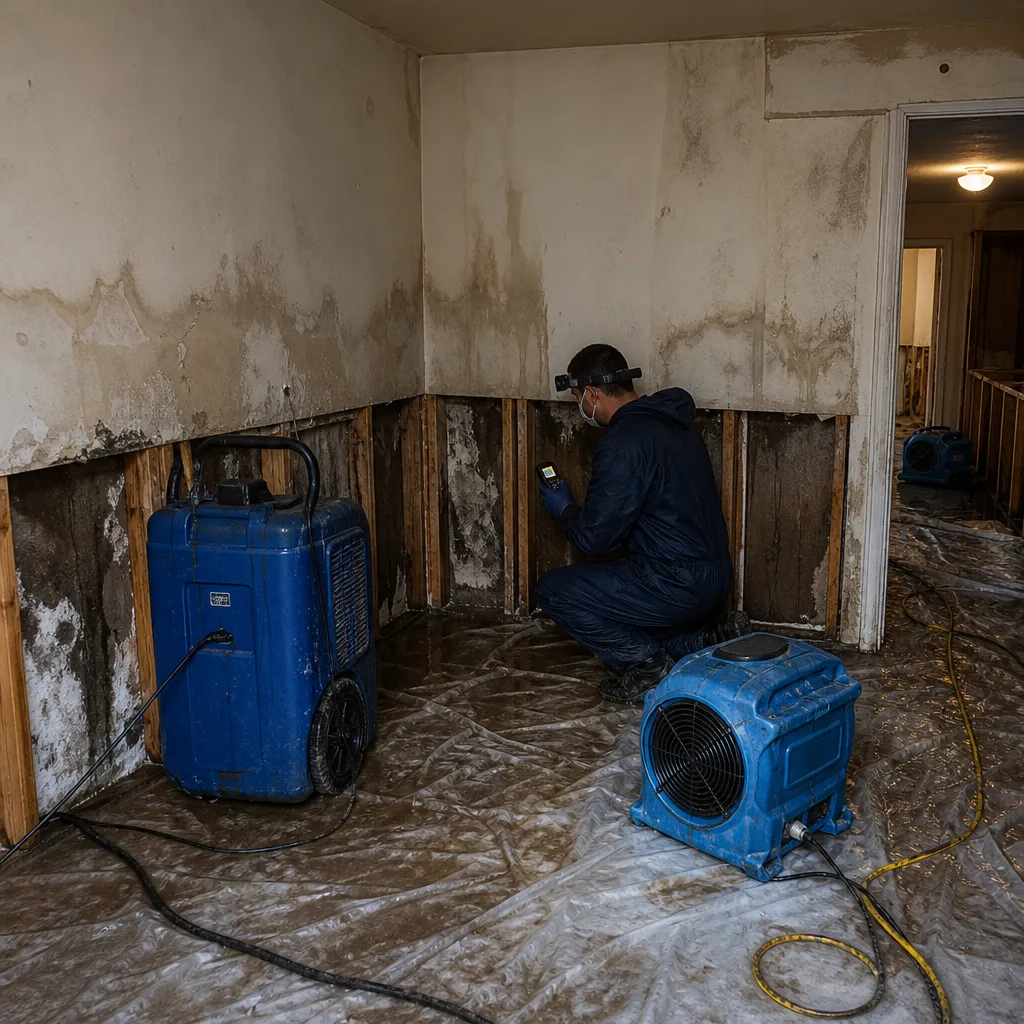 Before
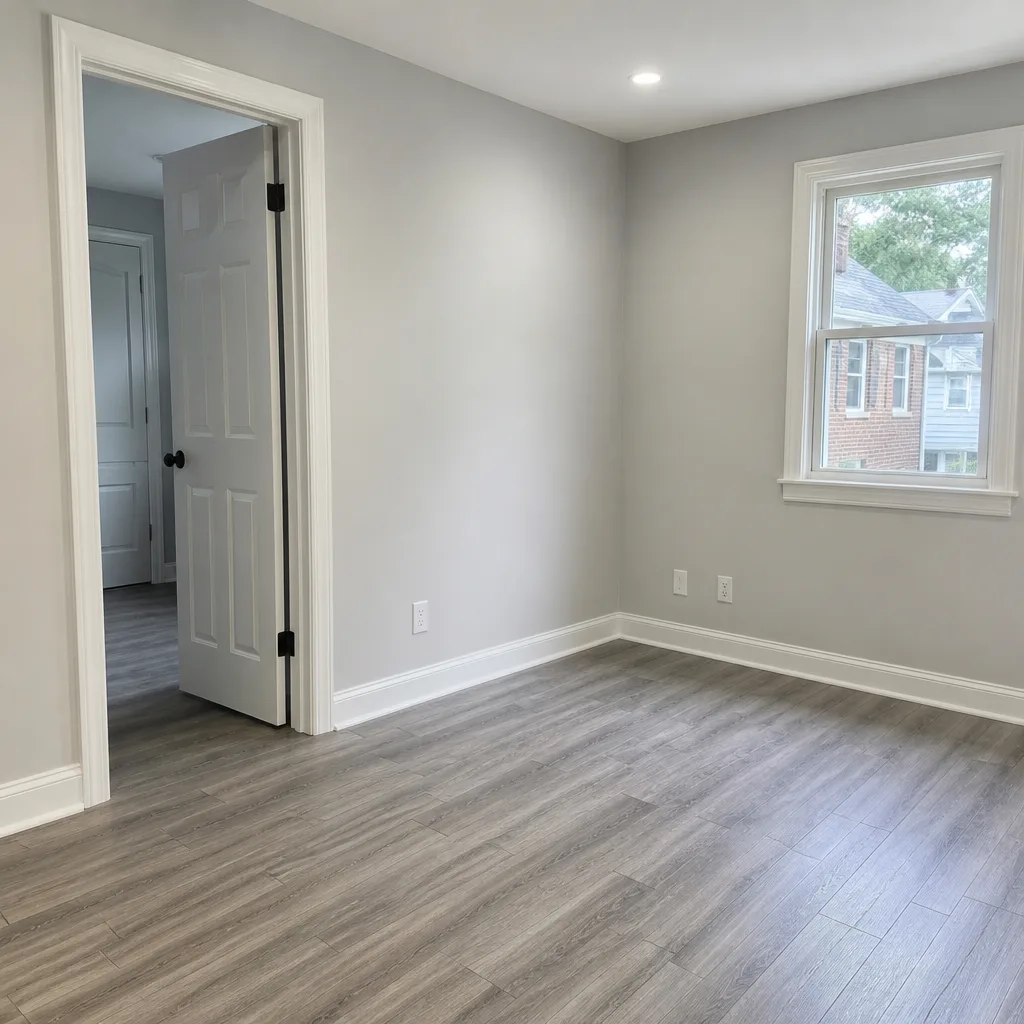 After
After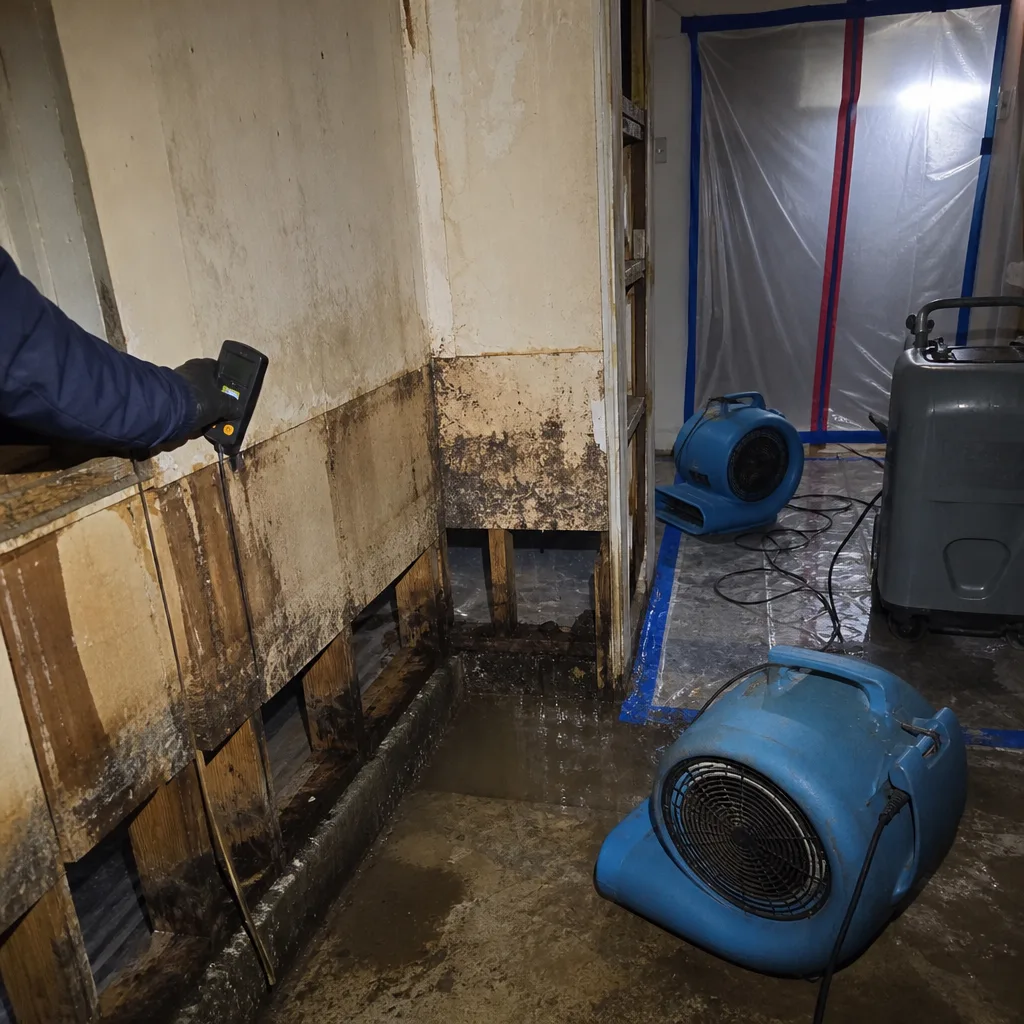 Before
 After
After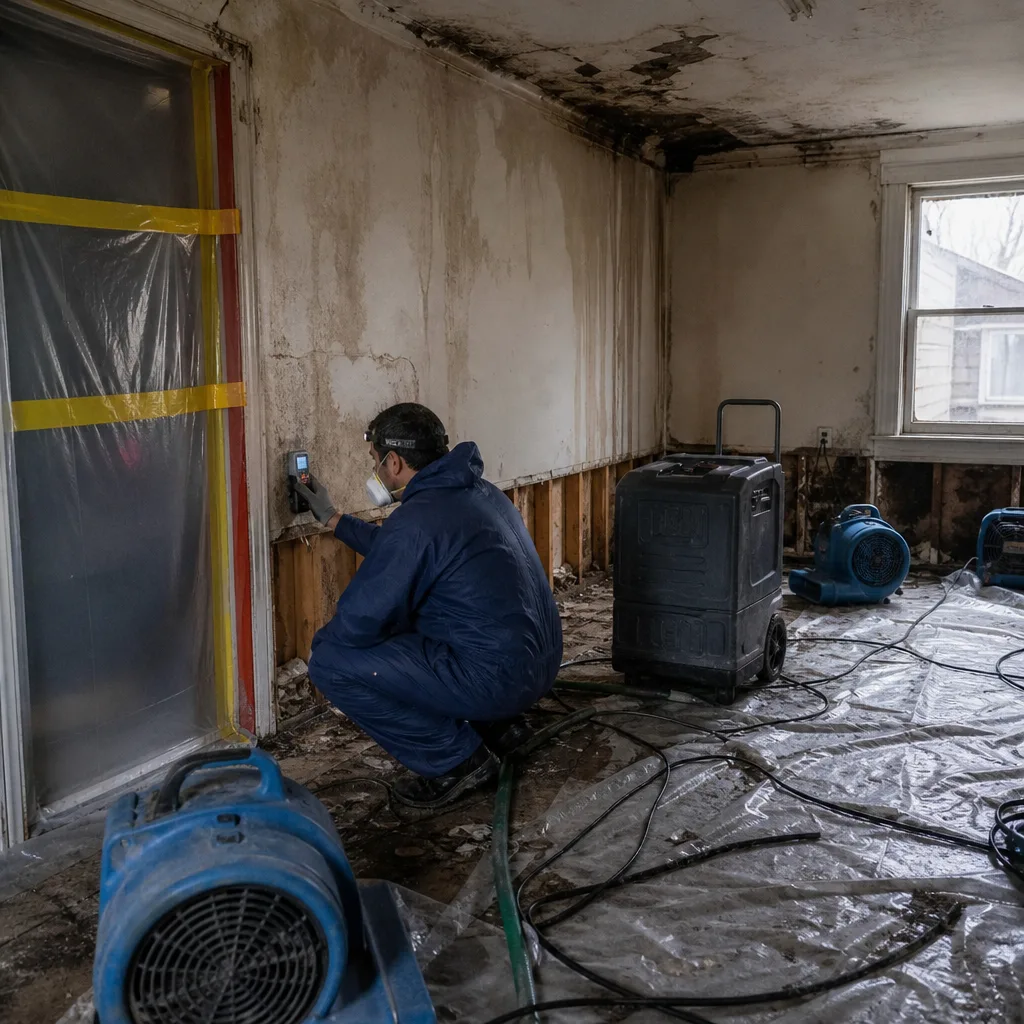 Before
 After
After