
Last updated October 16, 2026
 Fire & smoke cleanup
 Mold remediation
 Storm response
 Sewage cleanup
 Reconstruction
Free visual inspection and a written scope of work before any mitigation begins - photos, moisture readings, and drying logs go in your claim file
The scope we write is the scope we bill. Anything new gets shown to you, in writing, before we touch it.
Get your free estimateDamage Restoration Cost Breakdown: The Yonkers Homeowner’s Reference for 2026
Two Yonkers homeowners with identical basement floods, same square footage, same water depth, same finish level, received estimates of $3,200 and $11,400 from different companies in the same week. Both line items said “water damage restoration.” Neither homeowner could tell which price was honest. That gap, the $8,200 difference, is not about labor rates or equipment cost. It’s about five line items the lower bidder simply omitted, and the higher bidder padded without explanation. This guide shows you every legitimate cost component in a Yonkers restoration job, what it should cost in 2026, and how to spot a padded estimate before you sign anything. For damage restoration warning signs every Yonkers homeowner should know, see our companion reference.
Quick Answer
Water damage restoration in Yonkers typically costs between $2,800 and $7,500 for a standard basement flood (Class 2, roughly 300 – 500 square feet of affected area). Mold remediation runs $1,500 to $6,000 depending on square footage and containment needs. Storm damage restoration varies most widely, from $3,000 for minor roof and drywall repair to $25,000+ for structural rebuilds. The single biggest cost factor is not water volume; it’s the IICRC job classification, which determines how much equipment gets deployed and for how many days.
Restoration work we handle
Table of Contents
- Every Legitimate Line Item in a Restoration Invoice
- The Five Line Items Most Commonly Padded in Yonkers
- ACV vs. RCV: How Adjusters Calculate What You’re Owed
- IICRC Water Classes: Why Classification Drives Your Total
- What a Written Price Guarantee Actually Requires in New York
- How Insurance Claims Work With Restoration Contractors
- Yonkers-Specific Cost Factors: Climate, Housing Stock, and Codes
- Twelve Questions That Expose a Padded Estimate
Every Legitimate Line Item in a Restoration Invoice
Before you can spot a padded estimate, you need to know what a legitimate one looks like. Restoration invoices break down into seven core categories. Each has a standard 2026 price range for the Westchester County market. When you see a line item that doesn’t fit one of these categories, or a category priced far outside the range below without explanation, that’s your first red flag.
1. Water Extraction (per gallon or per hour)
Extraction is the physical removal of standing water using truck-mounted or portable extraction units. Most Yonkers basements hold between 50 and 500 gallons of standing water after a burst pipe or sump pump failure. Companies charge either per gallon ($0.50 – $1.25) or flat per extraction visit ($250 – $600 for the first hour, $75 – $150 per additional hour). A 200-gallon extraction should run $300 – $500 total. If a line item reads “extraction: $1,800” for a standard basement, ask how many gallons were removed and how long it took. The math should be transparent.
2. Equipment Rental (daily rates per unit)
This is the line item where estimates balloon most quietly. Restoration equipment is rented by the day, per unit. Standard 2026 daily rates in Westchester County:
- Commercial dehumidifier (Dri-Eaz, Phoenix): $45 – $75 per day per unit
- Air mover (XPOWER, B-Air): $25 – $40 per day per unit
- HEPA air scrubber: $35 – $60 per day per unit
- Injectidry floor drying system: $50 – $90 per day per unit
A typical Class 2 basement flood requires 2 – 3 dehumidifiers, 4 – 6 air movers, and 1 HEPA scrubber, running for 3 – 5 days. Equipment costs should land between $900 and $2,000 for that job. If equipment is “bundled” into a single line item without a daily breakdown or unit count, request the detail. A company that won’t itemize equipment rental is a company you shouldn’t sign with.
3. Moisture Mapping and Documentation
Before drying begins, a technician should map moisture levels across every affected surface using infrared cameras and penetrating moisture meters. This produces a documented baseline that proves the damage was fully dried. Expect $150 – $400 for this service. Some companies include it free; some fold it into “inspection.” It should appear somewhere in your invoice, because it’s your proof that drying actually happened to standard. Marsh Water Damage Yonkers documents every moisture reading and includes the map with your final paperwork.
4. Antimicrobial Treatment
After extraction and during drying, all water-contaminated surfaces get treated with an EPA-registered antimicrobial or biocide to prevent mold growth. Cost runs $0.35 – $0.75 per square foot of treated surface. A 400-square-foot basement with 8-foot walls (roughly 1,600 square feet of treated surface across floor and walls) should cost $560 – $1,200. If the line reads “mold prevention” without a square footage figure, ask for the detail. Without it, you can’t verify the price.
5. Structural Drying Labor
This covers the technician time for setting, monitoring, and repositioning equipment over the drying period. Most companies bundle this into a per-day or per-visit rate. In Yonkers, expect $65 – $95 per hour per technician, with each monitoring visit taking 30 – 60 minutes. A 4-day drying job with daily monitoring should run $400 – $800 in labor. If labor is priced over $2,000 for a standard basement flood, demand an explanation of hours billed.
6. Debris Disposal
Removed drywall, carpet, padding, and damaged contents must be hauled and disposed of legally. Westchester County transfer station fees run $80 – $120 per ton, plus hauling labor and fuel. Most residential jobs produce 1 – 3 tons of debris. Expect $200 – $600 for disposal. Some companies add a “fuel surcharge” or “trip fee” on top. Ask if the disposal line includes hauling or if that’s separate.
7. Contents Manipulation and Storage
If furniture, boxes, or personal items need to be moved, dried, or stored during restoration, that’s a separate line. Contents manipulation runs $50 – $100 per hour. Offsite storage runs $200 – $500 per month. Many Yonkers basements double as storage spaces, so this line appears more often than homeowners expect.
The Five Line Items Most Commonly Padded in Yonkers
Here is the specific problem with the two estimates from the opening. The $11,400 bid contained five line items the $3,200 bid simply omitted. Each one is legitimate in certain circumstances. None was legitimate in that specific job. Here they are, with the questions that expose them.
1. “Emergency Call-Out Fee” ($450 – $900)
Some Yonkers restoration companies charge a flat fee just to send a crew after hours or on weekends. This fee can be legitimate when the call happens at 2 a.m. and requires immediate mobilization. But if the invoice shows a call-out fee on a Tuesday afternoon job, something is wrong. Ask: “What time was the crew dispatched, and what does this fee cover beyond the hourly rate already on the invoice?” If the answer doesn’t include a specific off-hours dispatch, strike the line.
2. “Minimum Equipment Package” ($1,500 – $3,000)
This line item looks professional. It typically reads something like “commercial drying package” or “full equipment deployment” with a single number and no unit breakdown. Here is the problem: equipment is rented per unit, per day. There is no such thing as a “package” in legitimate restoration pricing. Every dehumidifier, every air mover, every scrubber has a daily rate and a deployment count. If the invoice doesn’t show the count, the daily rate, and the number of days, you cannot verify the price. Request the itemized equipment schedule. A company that refuses is hiding margin.
3. “Antimicrobial Fogging” ($800 – $1,500)
Standard antimicrobial treatment involves wiping or spraying affected surfaces. Fogging means filling the entire envelope with a fine mist to treat airborne spores and surfaces that weren’t directly water-damaged. Fogging is sometimes necessary after sewage backups or confirmed mold growth, but it’s rarely necessary for a clean water pipe break. If your basement flooded with clean water and the estimate includes fogging, ask why. The answer should reference specific visible mold or sewage contact. If it doesn’t, the line is padding.
4. “Structural Repairs” Without a Scope ($1,000 – $4,000)
Some estimates include a line for “structural repairs” that covers framing, subfloor replacement, or sill plate work. When that line has no attached scope, no square footage, no material list, and no labor hours, it’s a placeholder for whatever the company decides to charge later. Legitimate structural repair lines are written against a specific condition, like “replace 24 linear feet of bottom plate on north wall” or “sister 3 floor joists under kitchen.” If the line reads “structural repairs as needed,” you’re looking at a blank check. Refuse to sign until the scope is written.
5. “Project Management Fee” (5 – 15% of total)
This is a percentage added on top of every other line item, described as coordination, scheduling, or oversight. It appears in large commercial restoration jobs and is sometimes legitimate there. It has no place in a single-family basement flood, where the crew lead is the project manager. Ask: “What does this fee cover that the labor line doesn’t already pay for?” If the answer is vague, strike it. In 18 years of restoration work in Yonkers, we have never needed to add a project management fee to a residential job.
ACV vs. RCV: How Adjusters Calculate What You’re Owed
Every restoration invoice eventually intersects with an insurance payout, and that payout is calculated using one of two formulas. Understanding the difference is the difference between a full repair and a partial one.
Actual Cash Value (ACV) is the cost to replace an item minus depreciation. A 10-year-old carpet with a 20-year lifespan has depreciated 50%. If replacement costs $2,000, ACV pays $1,000. The adjuster writes a check for $1,000, minus your deductible, and you are left to cover the remaining $1,000 out of pocket.
Replacement Cost Value (RCV) is the full cost to replace or repair with materials of like kind and quality, with no depreciation deduction. Most standard homeowner policies in New York provide RCV coverage for dwelling repairs, but ACV for contents (your personal property). The gap matters most on finishes: drywall, flooring, trim, and cabinetry can all be depreciated if the policy is older or the coverage is limited.
Why accepting an ACV payout without question is almost always leaving money behind: many policies include a provision that pays the depreciation amount as a supplement once the work is actually completed. You submit the final invoice, prove the repair happened, and the insurer releases the withheld depreciation. Thousands of Yonkers homeowners never file for that supplement because nobody tells them it exists. Ask your adjuster: “Is this an ACV payment, and if so, what do I need to submit to recover the depreciation?”
For a deeper look at how restoration work is documented for insurance, see our Water Damage Restoration in Yonkers guide.
IICRC Water Classes: Why Classification Drives Your Total
The IICRC (Institute of Inspection, Cleaning and Restoration Certification) classifies water damage into four classes based on evaporation rate, absorption level, and affected area. The class assigned to your job determines how much equipment gets deployed, how long it runs, and what the total invoice reads. This is the single most important number on your estimate, and most homeowners never see it.
Class 1: Limited Area, Low Absorption
Less than 5% of the room is affected, materials are low-porosity (concrete, tile), and water is clean. Typical example: a small supply line leak on a concrete basement floor that was caught in under an hour. Equipment needs: 1 dehumidifier, 1 – 2 air movers, 2 – 3 days of drying. Yonkers cost: $1,200 – $2,000.
Class 2: Significant Area, Medium Absorption
Between 5% and 40% of the room is affected, water has wicked up drywall, and carpet or wood flooring is saturated. This is the most common basement flood in Yonkers, where finished basements with drywall, carpet, and stored contents absorb water quickly. Equipment needs: 2 – 3 dehumidifiers, 4 – 6 air movers, 1 HEPA scrubber, 3 – 5 days. Yonkers cost: $3,000 – $6,000.
Class 3: Greatest Area, High Absorption
More than 40% of the area is affected, water has wicked up walls beyond 24 inches, and ceilings or insulation are saturated. This happens when a pipe bursts on an upper floor while the family is away, or when a sump pump fails during a heavy storm and water sits overnight. Equipment needs: 3 – 4 dehumidifiers, 8 – 12 air movers, 2 HEPA scrubbers, possibly Injectidry systems for walls, 5 – 7 days. Yonkers cost: $6,000 – $12,000.
Class 4: Specialty Drying
Hardwood floors, plaster walls, brick, concrete, or stone have absorbed water deeply and require low-humidity, low-airflow drying over extended periods. This classification involves specialty equipment like Injectidry panels or floor mat systems. Drying takes 7 – 14 days. Yonkers cost: $8,000 – $20,000+.
The upsell to watch for: the estimate says your job is Class 3 when the affected area is clearly less than 40% of the room. Classification is not subjective; it’s calculated from square footage and moisture readings. Ask the estimator to show you the moisture readings and the affected square footage that justify the classification. If they can’t, you’re being charged Class 3 rates for a Class 1 job.
What a Written Price Guarantee Actually Requires in New York
New York law doesn’t require restoration contractors to provide written estimates, but it absolutely protects you when they do. General Business Law Article 36 governs home improvement contracts in New York, and restoration work falls under it when the cost exceeds $500. Here’s what a legally meaningful written price guarantee looks like, and the exact language to look for.
- Total price in a single figure. Not a range. Not “estimated.” The contract must state a specific dollar amount for the scope described. If the number says “estimate only, subject to change,” it’s not a price guarantee.
- Scope of work in plain language. Every square foot, every material, every piece of equipment, every day of drying. If the scope says “restore basement to pre-loss condition” without listing what that includes, it’s vague enough to be useless in a dispute.
- Payment schedule tied to milestones. New York law limits deposits on home improvement contracts. If a company asks for more than 50% upfront, that’s a red flag. Payment should be tied to completed phases: extraction, drying, demo, rebuild.
- Change order procedure. The contract should state that any additional work requires a written change order signed by both parties before the work is performed. No verbal additions. No surprise line items.
- No lien waiver language until final payment. Some contracts include language that waives your right to file a complaint or dispute a charge. Read the fine print. If the contract says disputes must be resolved through binding arbitration in another state, that’s a problem.
Marsh Water Damage Yonkers provides a written price before any work begins, and that price includes the full scope, the equipment schedule, and the drying plan. If a repair doesn’t hold within 365 days, we make it right with a free second visit. That’s the 365-Day Done Right Promise, and it’s printed on every work order. Not as a marketing phrase, but as a contractual term. Tobias Reyner, our owner, has kept that promise since 2005.
Storm and wind damage claims follow a slightly different documentation path. See Storm Damage Restoration in Yonkers for how that process works in Westchester County.
How Insurance Claims Work With Restoration Contractors
The insurance company doesn’t choose your restoration contractor in New York. That’s the first thing to know. You choose the company, and the company works with your adjuster. The second thing: restoration contractors don’t get paid from your insurance payout. They give you an invoice, you submit it to insurance, and the insurer reimburses you according to your policy terms, minus deductible.
That means the restoration company’s job is to document the damage thoroughly enough that your claim covers the actual work performed. Photo documentation before, during, and after; moisture readings that prove the structure was dried to standard; line-item invoices that match the scope the adjuster approved. When documentation is weak, the adjuster denies line items. When it’s strong, the claim pays.
Mold is where claims get contested most aggressively. Insurers often classify mold growth as a maintenance issue unless it resulted directly from a covered water event. That distinction determines whether remediation is covered or denied. Having a remediation company that documents the causal chain, the water source, and the microbial growth can mean the difference between a covered claim and a rejection letter. For more detail on how this works, read Mold Remediation in Yonkers.
A few practical steps for the claims process:
- Call your insurer first, not last. Most policies require prompt notification of a loss, and failure to notify within a reasonable window can reduce the payout.
- Take photos before anyone moves anything. Document the standing water, the wet drywall, the damaged contents. Photos taken before cleanup begins are the strongest evidence in a claim.
- Get the restoration company’s invoice in the same line-item format the adjuster uses. This isn’t always automatic. Some companies write vague invoices that don’t map to insurance categories. Ask for the detailed version.
- Don’t sign anything from the restoration company that assigns your insurance benefits directly to them without reading the assignment of benefits clause. In some states this is standard; in New York it’s optional, and you should understand what you’re signing.
- Submit the depreciation supplement request after the work is complete. As covered in the ACV vs. RCV section, this is where homeowners leave real money on the table.
Yonkers-Specific Cost Factors: Climate, Housing Stock, and Codes
Yonkers restoration costs don’t match national averages because Yonkers isn’t an average housing market. The city has the fourth-highest number of pre-1950 housing units in New York State. Those houses have plaster walls instead of drywall, oak flooring instead of engineered laminate, and basements that were never designed for modern humidity levels.
Plaster and lathe. When a pre-war home in Park Hill or the Ludlow neighborhood takes water, the walls don’t just get wet; they absorb moisture into a lime-and-horsehair matrix that dries slowly and crumbles if over-dried. Drying plaster requires lower humidity and longer runtimes than drywall, which adds 2 – 3 days of equipment rental to any water job. If you’re in one of the big Tudors off Palmer Road or along the Saw Mill River corridor, expect equipment costs 30 – 40% higher than a drywall estimate.
Foundation reality. Yonkers sits on steep terrain stepping down to the Hudson. Dunwoodie, Nepera Park, and the areas east of South Broadway drain downhill, which means basement flooding is not evenly distributed across the city. Houses on the low side of the slope, where groundwater collects after a heavy rain, see more sump pump failures and more repeated water events. The National Weather Service records show Yonkers gets 47 inches of rain annually, but a 3-inch storm in August causes more basement floods than a 6-inch snowmelt in March because the ground is saturated and drainage systems are over capacity. If your home has flooded once, it will flood again unless the source is fixed, not just dried.
Code requirements. Yonkers has its own building department independent of the county, and restoration work that touches electrical, structural, or plumbing systems requires city permits. If your restoration involves replacing an electrical panel, moving a water heater, or cutting into load-bearing framing, the contractor must pull a permit from the City of Yonkers Department of Housing and Buildings. Permits cost $150 – $500 depending on scope and are a legitimate line item. A contractor who says permits aren’t necessary for electrical or structural work is either wrong or planning to work without them, and both of those things become your problem when you try to sell the house.
Labor rates. The union labor market in Yonkers and southern Westchester pushes restoration labor costs higher than the national average. Hourly rates of $65 – $95 for IICRC-certified technicians are standard. You’re paying for training, insurance, and background checks, and in this trade, those things are worth the premium. A crew that charges $25 an hour is a crew that isn’t insured or isn’t certified, and if they’re injured on your property, you’re the one facing the liability claim.
The Marsh Water Damage Yonkers home page has more on how we’ve handled these Yonkers-specific challenges since 2005.
Twelve Questions That Expose a Padded Estimate
Print this list. Bring it to every restoration estimate. The answers, or the refusal to answer, will tell you everything you need to know about the company you’re talking to.
- What IICRC class is this job, and can you show me the moisture readings that determine it? Classification drives equipment count, and equipment count drives price.
- How many dehumidifiers and air movers will you deploy, and for how many days? The answer should be specific. Vague answers mean a vague price.
- What is the daily rental rate per unit, and where does that appear on the invoice? Equipment rental is the easiest line to pad. Demand itemization.
- Is this a written price or an estimate subject to change? If the answer is “subject to change,” ask what specifically could change it.
- What does your guarantee cover, for how long, and what happens if the repair fails? A legitimate company states its guarantee terms without hesitation.
- Who exactly is showing up at my door, and can you send me their name and photo before they arrive? If the company can’t answer this, you don’t know who you’re letting into your home.
- Will you work directly with my insurance adjuster? The answer should be yes without conditions.
- Do I need a permit for any of this work, and who pulls it? Electrical, structural, and some plumbing work needs Yonkers permits.
- What’s included in the debris disposal line, and is hauling separate? Disposal should be one figure. If hauling is separate, that’s fine, but it should be on the invoice.
- Can you show me your insurance certificate and IICRC certifications? Legitimate companies have both and will provide them.
- What happens if the drying isn’t done in the days you estimated? The answer reveals whether you’re paying a flat rate or daily rates that can stretch.
- Why did the previous job at this address cost that amount? If the company has done work in your neighborhood, ask for a reference or at least an explanation of a nearby job. We talk about our work in Ludlow, Dunwoodie, and Beech Hill because we’ve done it, not because it sounds good in marketing.
Common Mistakes to Avoid
- Signing an “estimate” that isn’t a written price. An estimate is an opinion. A written price is a commitment. In Yonkers, where restoration companies are plentiful and quality varies, the distinction matters. Get the price in writing, with the scope attached.
- Accepting the ACV payout without asking about depreciation recovery. Thousands of Yonkers homeowners never file the supplement that releases withheld depreciation. Ask your adjuster about it by name.
- Paying the full invoice before the work is validated. Check the moisture readings. Verify the drying targets were met. Confirm the debris was actually hauled. Then pay.
- Not asking who’s coming to the house. Restoration crews enter your home when you’re vulnerable and often when you’re not there. A company that won’t tell you in advance who’s showing up is a company you shouldn’t hire.
- Treating all water damage as the same. Clean water from a supply line is different from sewage backup, and both are different from stormwater. The IICRC class and the water category (1, 2, or 3) change the scope, the safety requirements, and the price. Don’t accept a generic “water damage” line item.
- Waiting to call. Water wicks upward through drywall at roughly one inch per hour in the first 24 hours. The longer water sits, the more demolition is required, and the more the price climbs. A $3,000 extraction on day one becomes an $8,000 tear-out on day three.
- Choosing a contractor only on price. The $3,200 bid from the opening is not the better deal if it omits antimicrobial treatment, skips equipment on day two, and disappears when the mold shows up. The cheapest estimate is often the most expensive outcome.
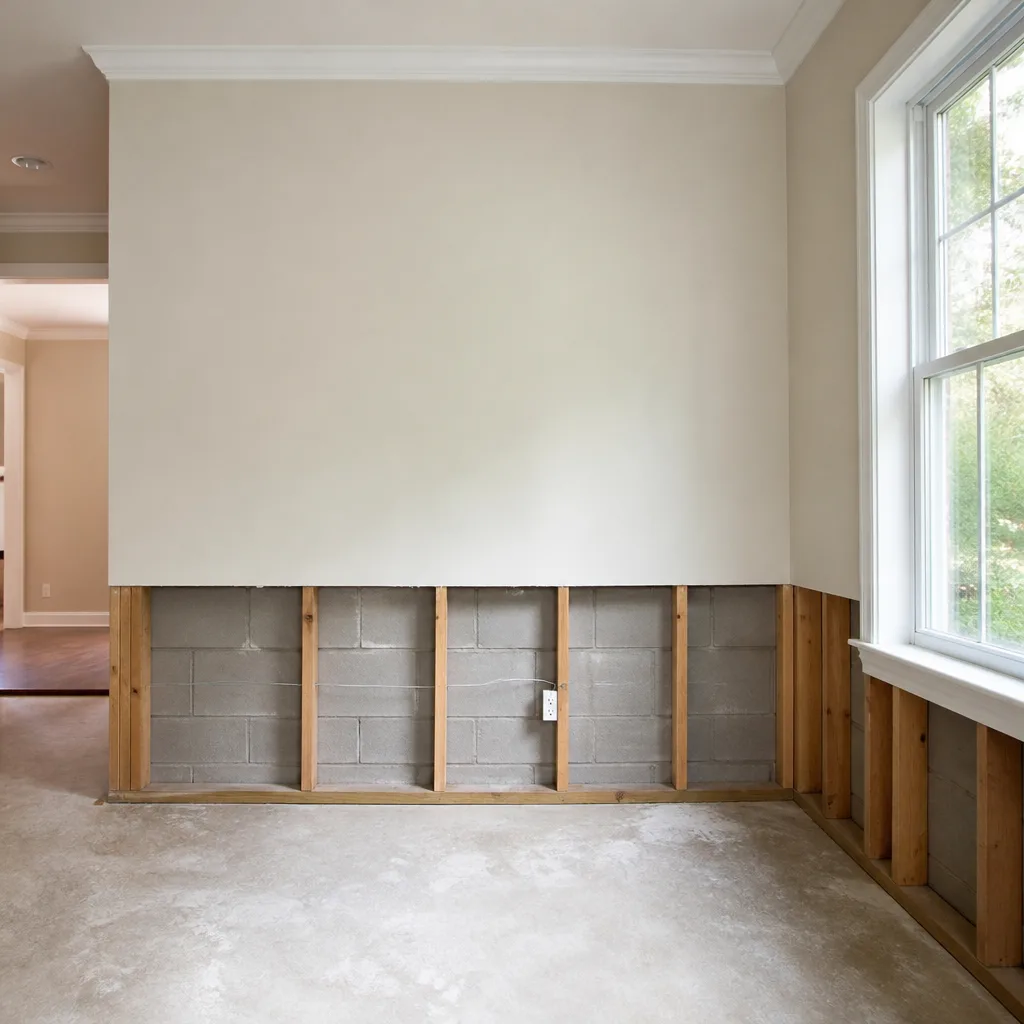
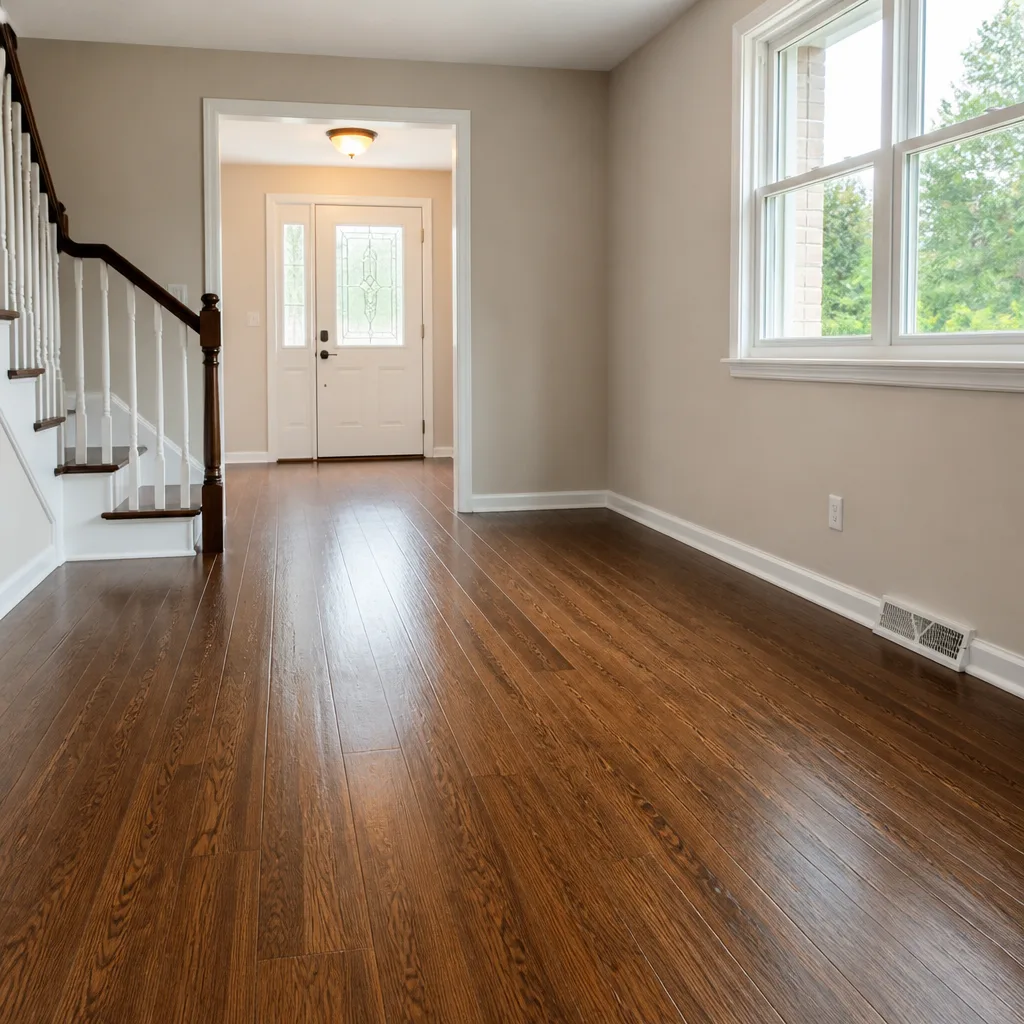
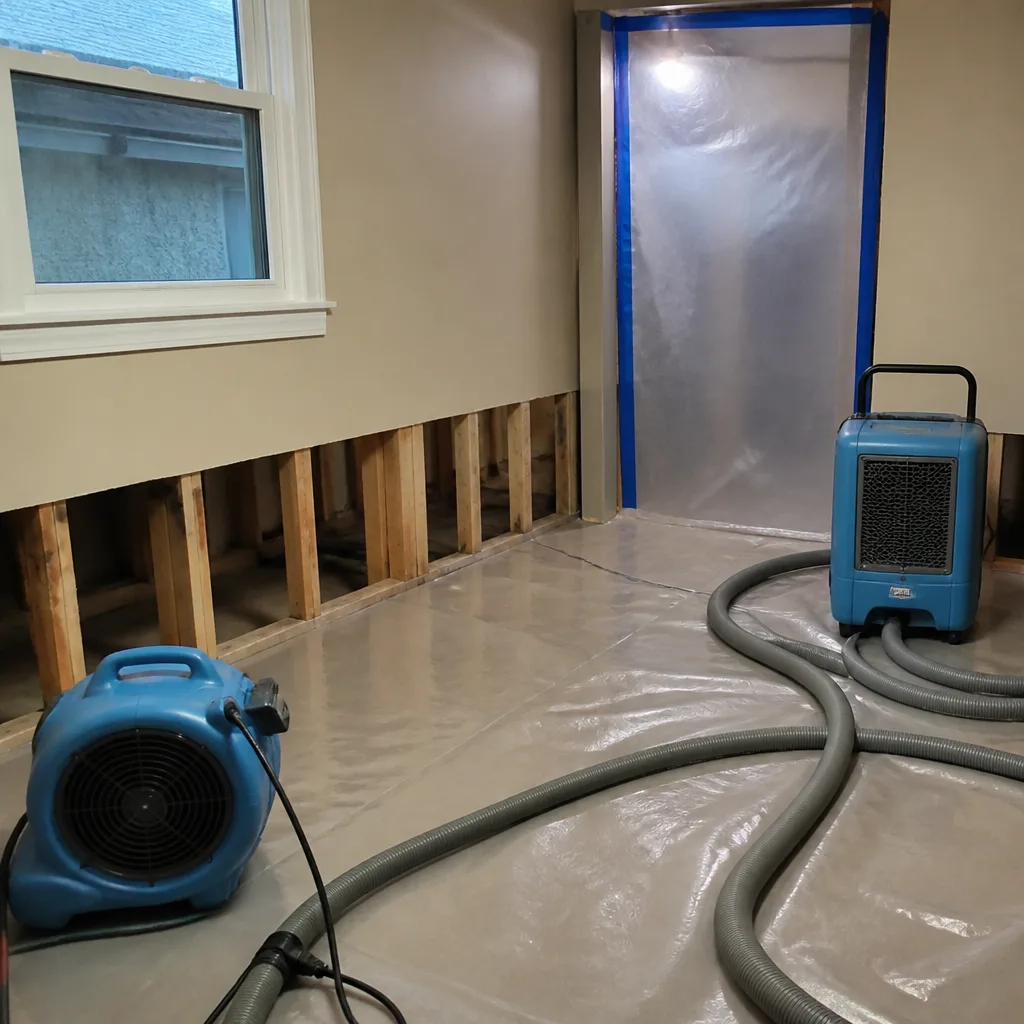
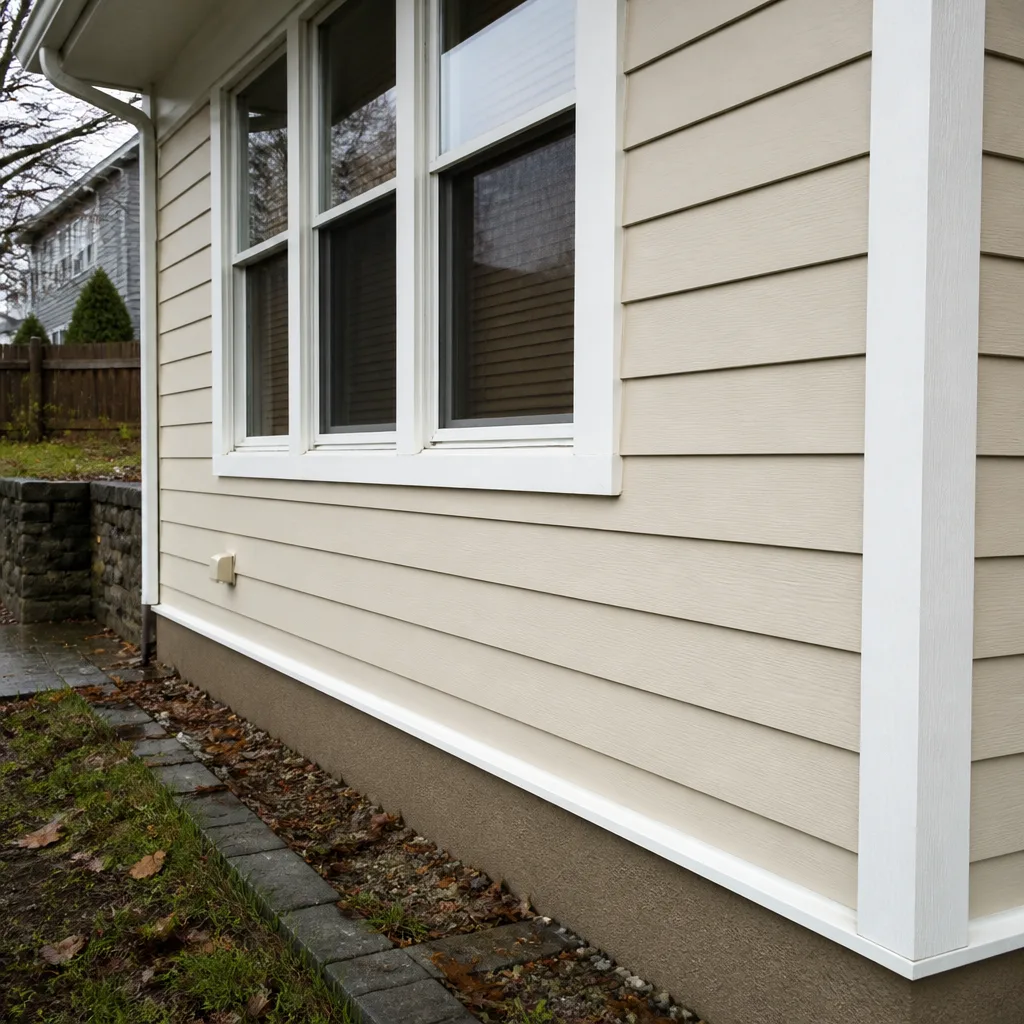
See the difference
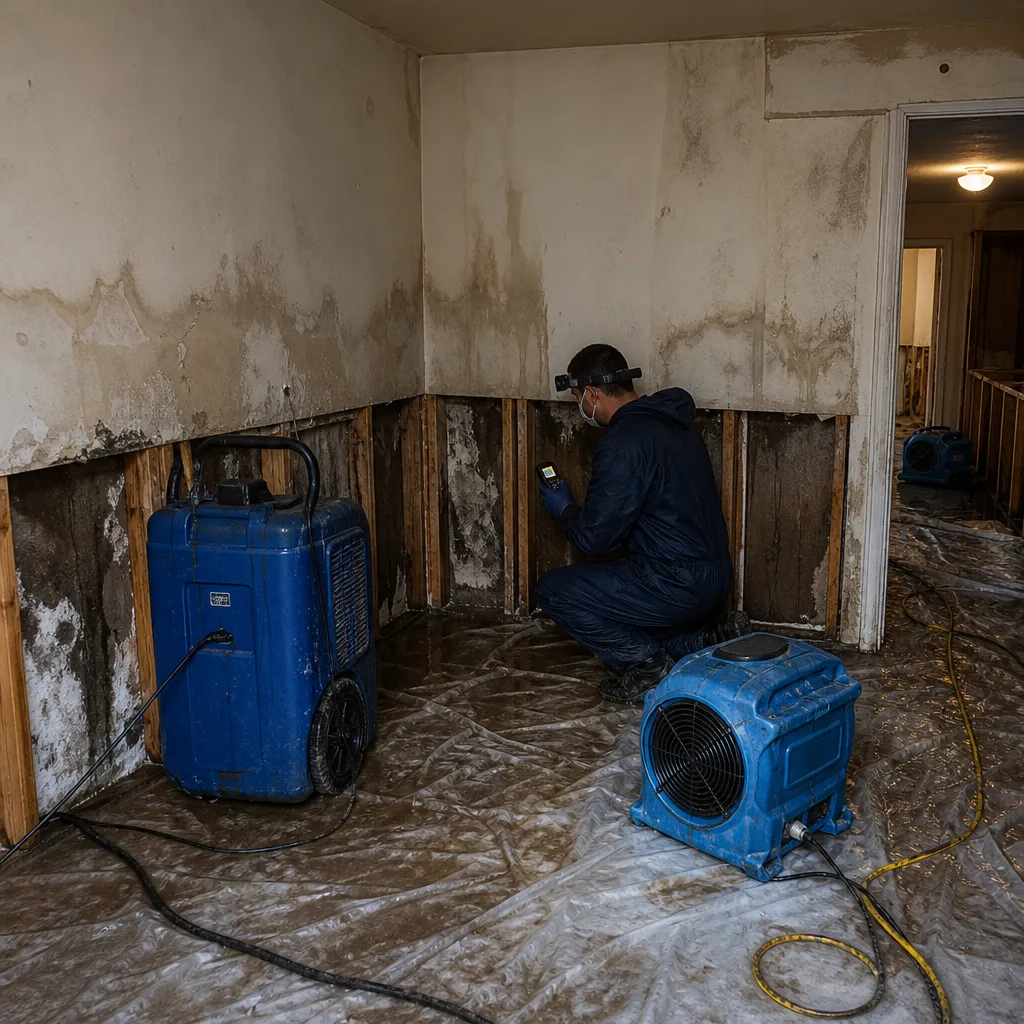 Before
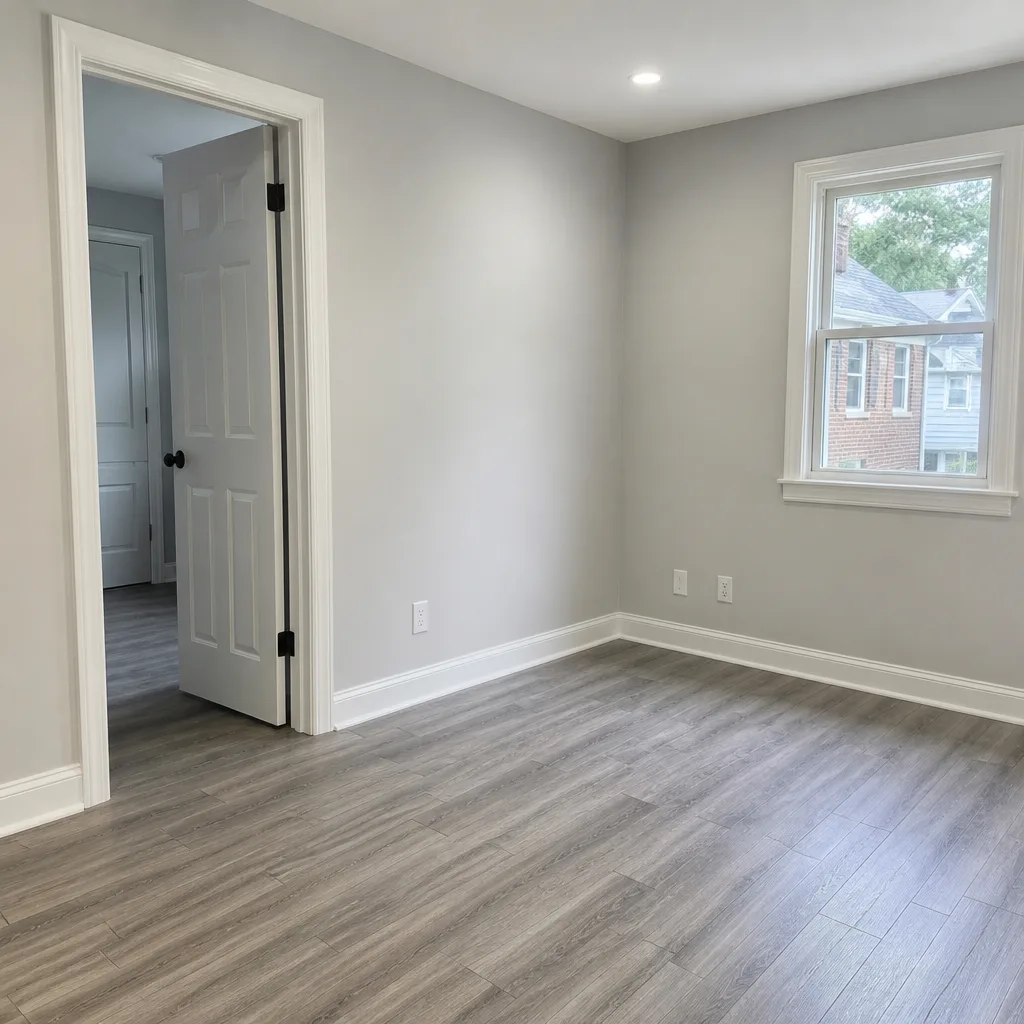 After
After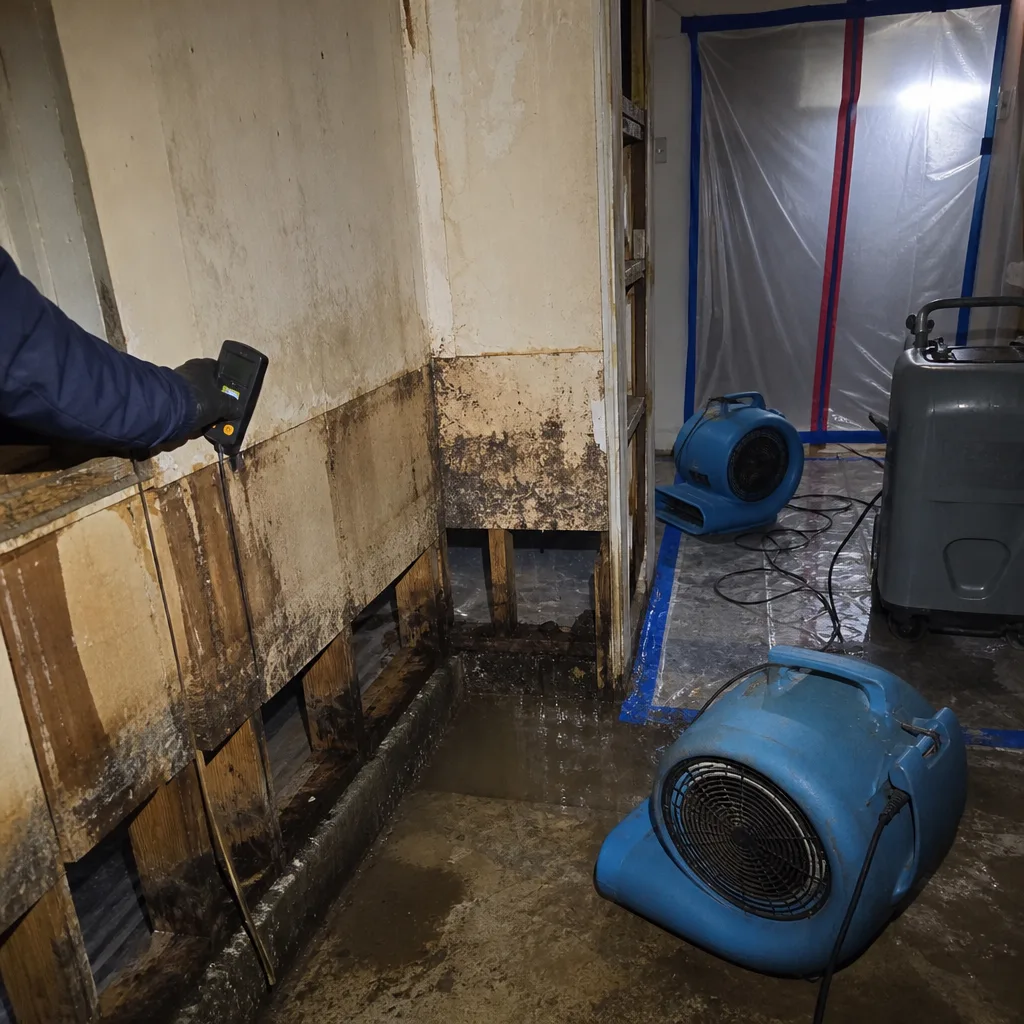 Before
 After
After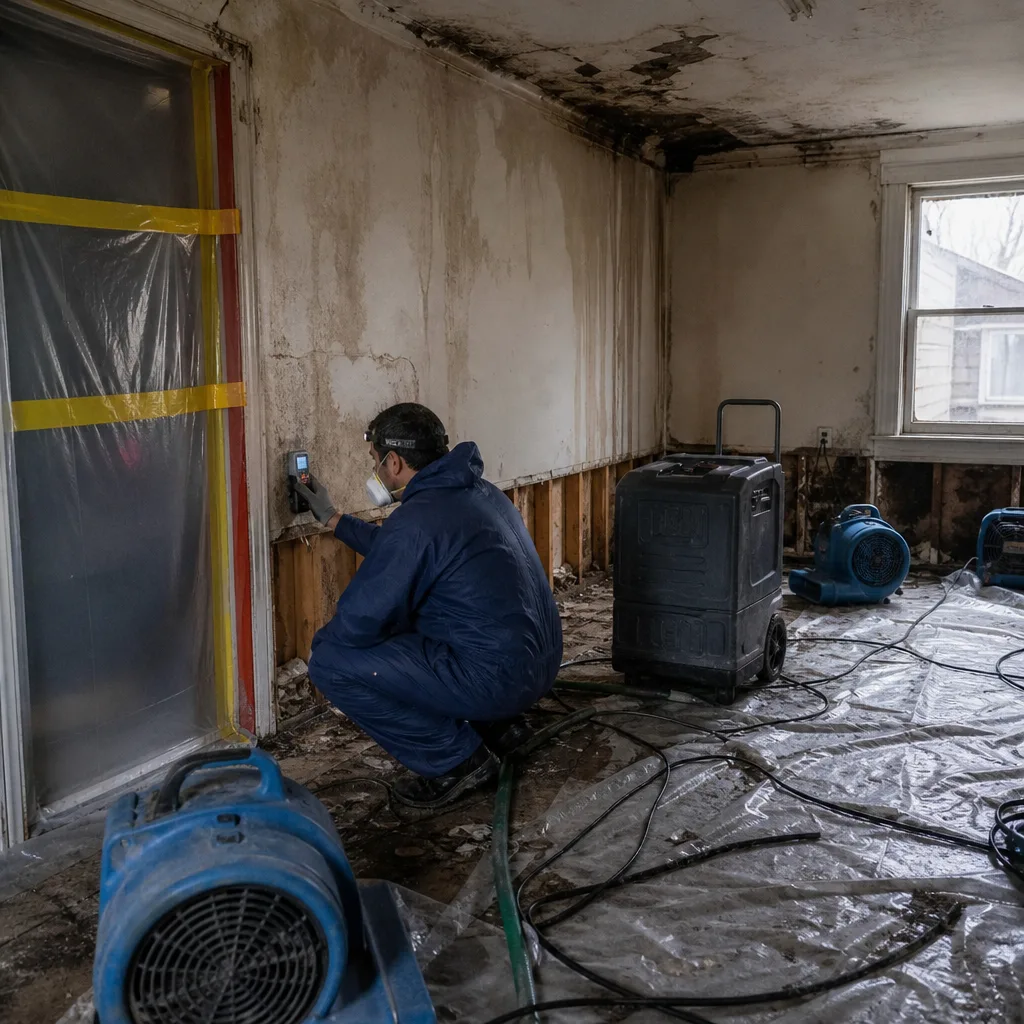 Before
 After
AfterWhen to Call a Professional
Standing water more than a few gallons, water that has touched drywall or carpet, any water that may be contaminated (sewage, storm runoff, toilet overflow), or any visible mold growth larger than a dinner plate all require professional assessment. This isn’t because professionals like the work. It’s because the equipment and training required to dry a structure properly, not just dry the surface, exceeds what any homeowner can rent or learn in a weekend. A dehumidifier from a rental yard will not dry the wall cavities where mold grows. A professional restoration company deploys commercial equipment and the psychrometric readings (measuring the moisture in the air) to know when the structure is actually dry. For more guides & resources on protecting your home, visit our blog. Marsh Water Damage Yonkers offers free estimates anywhere in Yonkers. Call (914) 233-3437 and a live person answers, 24 hours a day, every day.
Frequently Asked Questions
Most residential water damage jobs in Yonkers run between $2,800 and $7,500 for a Class 2 basement flood, with Class 1 jobs starting around $1,200 and Class 3 jobs reaching $12,000 or more. The final number depends on the IICRC class, the square footage affected, the equipment days required, and whether demolition and rebuild are included. Call (914) 233-3437 for an exact quote, and we’ll put the price in writing before any work starts.
Yes, most standard New York homeowner policies cover sudden and accidental water damage from burst pipes, appliance failures, and storm-related flooding, though groundwater seepage and flood damage from rising water require separate flood insurance. Mold coverage is more restrictive and typically requires that the mold resulted from a covered water event. Photo documentation and line-item invoices from the restoration company are critical to getting the full claim paid.
Water spreads through porous materials within minutes and wicks upward through drywall within hours. A restoration response should happen the same day the damage is discovered. Marsh Water Damage Yonkers answers calls 24/7 with a live person and can dispatch a Threshold Verified technician to any Yonkers address the same day. The technician arrives in uniform, shows a photo ID badge, and has already been sent to you by name and photo before the visit.
If water touched drywall, carpet, insulation, or pressed wood, cleaning alone is not sufficient. Those materials absorb water and become a growth medium for mold within 48 – 72 hours. They must either be dried to a documented moisture standard or removed and replaced. Surface cleaning doesn’t address the moisture inside wall cavities where mold colonies form invisibly. A professional assessment with moisture readings determines what needs drying and what needs demolition.
A restoration company with claim experience deals directly with your adjuster, providing documentation, moisture readings, line-item invoices, and photo evidence. You should never have to play intermediary between the restoration company and the insurance company. Marsh Water Damage Yonkers coordinates directly with Westchester County adjusters and bills in the line-item format that matches your policy coverage categories.
Mold remediation in Yonkers typically costs between $1,500 and $6,000 for most residential jobs, depending on square footage, containment requirements, and whether the HVAC system is involved. Small isolated outbreaks under 10 square feet can cost under $1,000, while a full basement with visible mold on multiple walls and joists can exceed $8,000. The key is confirming the source of moisture is fixed first; remediating mold without fixing the water source guarantees recurrence.
The Bottom Line
Restoration cost estimates vary by 300 – 400% for identical jobs, and the difference is almost never material costs. It’s how line items are bundled, hidden, or invented. The $8,200 gap between the two Yonkers estimates in the opening was entirely in five line items that had nothing to do with the actual water damage. Homeowners who understand the legitimate cost components, the IICRC classification system, and the ACV vs. RCV distinction can identify a padded estimate without a contractor’s license. The questions in this guide will tell you everything you need to know. And when you’re ready to get an honest, written price for restoration work in Yonkers, call (914) 233-3437. A live person answers, around the clock, every day of the year.
Written by Tobias Reyner, Owner at Marsh Water Damage Yonkers, serving Yonkers since 2005.