
Last updated October 16, 2026
 Fire & smoke cleanup
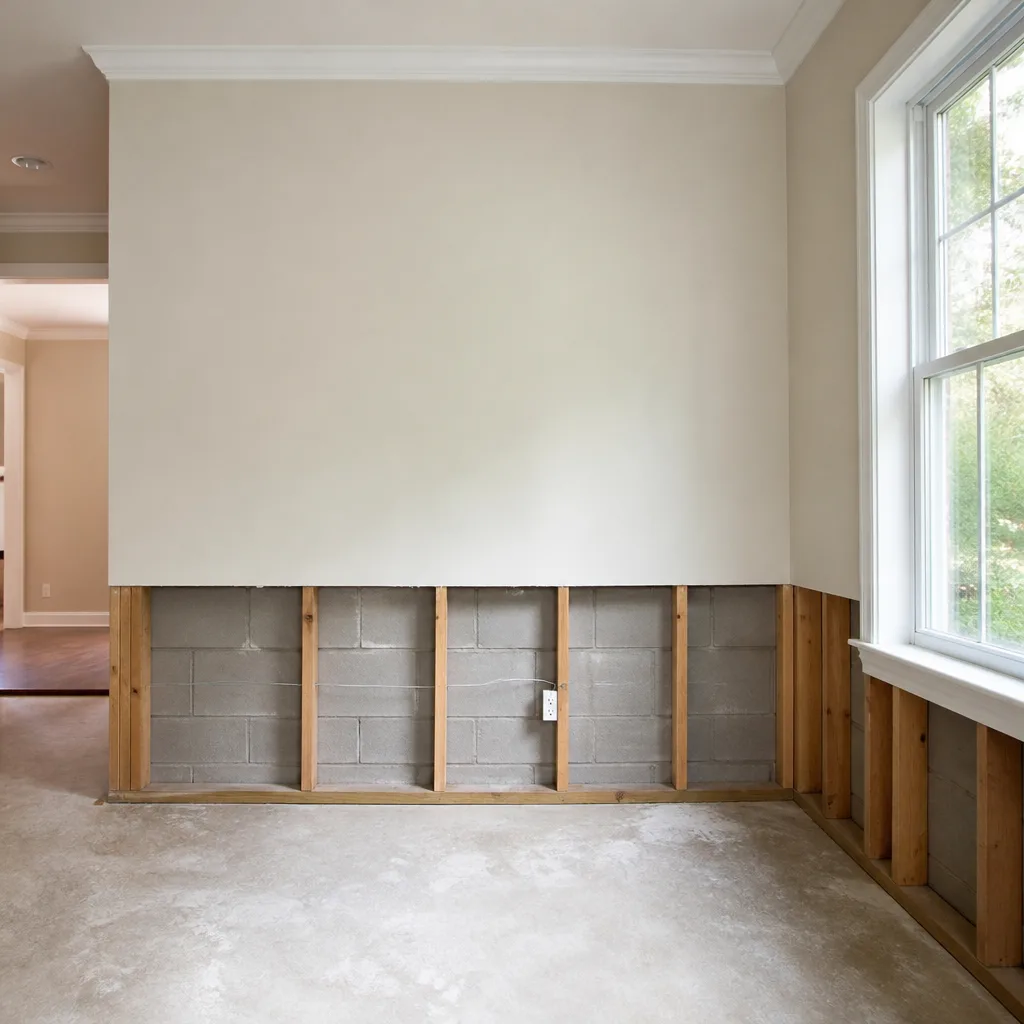 Mold remediation
 Storm response
 Sewage cleanup
 Reconstruction
Free visual inspection and a written scope of work before any mitigation begins - photos, moisture readings, and drying logs go in your claim file
The scope we write is the scope we bill. Anything new gets shown to you, in writing, before we touch it.
Get your free estimateDamage Restoration Warning Signs: A Yonkers Homeowner’s Reference Guide
The musty smell Yonkers homeowners describe as “old house smell” or “basement smell” is, in a majority of cases, active microbial growth, meaning mold is already digesting organic material somewhere in the structure, not just drifting in from outside. This guide teaches you to read your house the way a restoration technician does: by odor, texture, pattern, and timing. For more guides & resources, see our blog. You won’t need special tools or training. You’ll need attention, a flashlight, and the willingness to trust what your senses are telling you. By the time you finish, you’ll know which signs are harmless, which demand a phone call, and which mean you should stop using a room immediately.
Restoration work we handle
Quick Answer
The most common warning signs of water damage in a Yonkers home are a persistent musty or earthy odor, paint that bubbles or peels on walls or ceilings, drywall that feels soft or chalky, baseboards that warp or pull away from the wall, and white powdery mineral deposits on basement walls. In older Yonkers housing stock, anywhere from single-family homes in Crestwood to the multifamily walk-ups near Getty Square, these indicators frequently cluster in basements, under bathrooms, and around chimney flashing. Any one of these signs in isolation can be monitored, but two or more together almost always mean active moisture is moving through the building envelope.
Table of Contents
- The Touch Test: How to Tell an Old Stain From Active Wicking
- Odor Mapping: Four Smells That Mean Four Different Things
- Paint Bubbling: When It’s Not a Paint Problem
- Structural Signs in Older Yonkers Homes
- The Triage Chart: Monitor, Call Today, or Emergency
- Hidden Places Where Water Hides First
- What It Costs to Ignore the Warning Signs
- Common Mistakes to Avoid
- When to Call a Professional
- Frequently Asked Questions
- The Bottom Line
The Touch Test: How to Tell an Old Stain From Active Wicking
A stain on your ceiling does not automatically mean you have a current water problem. Old leaks leave behind evidence after the roof or pipe is fixed, and those stains can stay visible for decades. The question that matters: is moisture still moving? Yonkers homes built before 1980 have plaster walls and ceilings in many cases, and plaster hides water differently than drywall. Plaster wicks slowly and holds moisture longer. Drywall turns spongy and crumbles faster. The fix is the same either way: stop the water, then dry the structure. But you need to know whether water is still entering before you can fix anything.
Here is the test a technician uses, adapted for a homeowner with no special tools:
- Wait for a dry spell. Do this test after at least 48 hours with no rain and no plumbing use in the affected area. In summer, Yonkers humidity needs to be considered; if your basement has been closed up during a humid July stretch, surface condensation can skew the test. Run a dehumidifier for 24 hours first if you have one.
- Press with the flat of your hand. A dry stain feels like the surrounding surface, or slightly cooler. An actively wicking stain feels colder, and if it’s drywall, it will have some give, like pressing a day-old sandwich. Plaster that is actively wet feels cool and slightly tacky.
- Watch the edges. A dried stain has hard, crisp borders, often brownish or tan. An active stain has soft, feathered edges, and the color is darker in the center. If the outer edge looks like a coffee ring that is still spreading, water is still moving.
- Look for tide lines. Multiple concentric rings mean cycles of wetting and drying. The stain is being refreshed. That is not an old stain. That is an active one.
- Smell your hand. After pressing the stain, smell your fingers. If they smell musty or earthy, the material behind the surface is damp enough to support microbial growth. Dry materials do not leave an odor on skin.
In our experience, homeowners in Yonkers neighborhoods like Dunwoodie and Lincoln Park tend to dismiss first-floor and basement stains more than they should, especially in houses where a previous owner “took care of it.” A stain that fails the touch test is a stain that is still being fed by water somewhere, and the longer it is fed, the more material gets replaced, not just dried. That is the difference between a patch job and a Water Damage Restoration in Yonkers scope.
Odor Mapping: Four Smells That Mean Four Different Things
The nose is the most underused diagnostic tool in a home. Odor is chemical information. When building materials get wet, they release volatile organic compounds, and bacteria and mold release their own byproducts. Each category of water damage has a distinct signature. Learning to map an odor to a source will tell you what you are dealing with before you open a single wall. Yonkers housing runs the range from 1920s brick colonials to 1960s ranch homes to modern multifamily construction, and each one traps and channels odor differently, but the chemistry of the smell is the same.
The Four Restoration Odors That Matter
- Musty or earthy (like a damp forest floor). This is the classic mold signature, often called microbial volatile organic compound emission. It means fungal growth is active somewhere with a food source: drywall paper, wooden studs, carpet backing. In a Yonkers basement with ground moisture wicking through the slab, this odor often concentrates near the floor-wall joint where the sill plate meets the foundation. It is not “old house smell.” It is an active biological process.
- Sulfur or rotten egg. This is sewer gas, not mold. It indicates a dried-out floor drain trap, a cracked sewer line, or a venting problem. In older Yonkers homes, original cast-iron drain stacks eventually corrode and crack, allowing sewer gas to migrate through wall cavities. This is a plumbing issue, but it requires restoration-adjacent attention because the gases can carry hydrogen sulfide at low concentrations and the moisture from a cracked sewer line feeds mold.
- Metallic or coppery. This one is more subtle, but it is real. It signals corroding copper pipe, usually in a wall or ceiling cavity. The odor is faint, often described as “pennies” or “like a battery.” It means a pinhole leak has been dripping long enough to oxidize copper, and the water is being absorbed by the surrounding materials. By the time you can smell it, the leak has been active for weeks or months.
- Sweet or musty-sweet, like old fruit. This often comes from an HVAC drain pan that has overflowed or a condensate line that is clogged. The water sits in the pan, dust and organic matter collect, and bacteria feed. The odor rises through the vents. Many Yonkers homeowners describe it as a “syrup” or “honey” smell in one room but not others. That pattern is the giveaway: the source is in the ductwork or the air handler.
Odor mapping is simple: walk through the house slowly, note where the smell is strongest, and trace it back. The smell is always strongest at the source, not at the point where you first notice it. Bedroom carpet may smell musty, but if the odor intensifies as you walk toward the closet or the baseboard, the actual growth is behind the wall. We have seen more than one case where a homeowner in Southeast Yonkers kept cleaning the carpet while the real problem was a shower pan leak in the wall behind the headboard.
Paint Bubbling: When It’s Not a Paint Problem
Paint bubbles on a first-floor wall or ceiling are almost never a paint problem. Paint is a passive material. It does not bubble on its own. Bubbling means something is pushing against the paint film from behind, and that something is almost always water vapor or liquid water, not poor surface preparation. A bad painting job causes peeling and flaking, not bubbles. Bubbles mean pressure. And pressure in a wall means water is turning to vapor behind the paint film.
The pattern tells you where to look:
- Bubbles in a vertical line down the wall. You have a plumbing leak inside the wall cavity, often a supply line or drain. In Yonkers homes with original copper piping from the 1950s and 1960s, pinhole leaks from pipe wall erosion are common, and the water follows the pipe run down the stud cavity. The bubbles appear where the drywall is saturated.
- Bubbles in an arc or ring on the ceiling. This is roof or flashing water entering from above. If the arc is under a chimney, the flashing has failed. If it is under a valley in the roofline, a patch of shingle or membrane has torn. Yonkers gets over 45 inches of precipitation a year, and the freeze-thaw cycles in winter are hard on flashing: ice forms, expands, and pries the metal up.
- Bubbles that appear in a single horizontal band across the wall. This is wicking. Water is being drawn up from below, often from a floor leak, a slab moisture problem, or a flooded basement that soaked the bottom plate of the wall. The paint blisters where the moisture has risen to a consistent level.
- Bubbles with a brown or tannin-colored center. The water is carrying dissolved material from the wood or drywall. This usually means the leak has been active long enough to stain the material, which puts you past surface moisture and into structural saturation.
Do not pop the bubbles. Popping them releases whatever is inside, including potentially mold spores, and it does not change the fact that the wall cavity behind them is wet. What you can do is trace the bubble pattern back to the most likely source, turning off the water supply to the affected area if you suspect a plumbing leak. Then call a restoration crew. The water inside a wall does not dry on its own. Dead air in a wall cavity means the moisture sits there, and this is exactly how hidden mold colonies form in Yonkers homes.
Structural Signs in Older Yonkers Homes
Yonkers has one of the oldest housing stocks in Westchester County. A significant share of the residential buildings in neighborhoods like Park Hill, Ludlow, and Nodine Hill were built before 1950. Older construction methods have specific failure modes when water is involved, and they are different from what you see in newer construction. Knowing these patterns means you can catch a structural problem before it becomes a safety issue.
Door Frames That Stick in Summer
A door that swings fine all winter and sticks or jams in June, July, or August is swelling. Wood expands when it absorbs moisture from the air, and in a Yonkers summer with sustained humidity above 70 percent, any wood that is already damp from a hidden leak will swell enough to bind against the frame. The key detail: if only one door in the house sticks, and the others are fine, the sticking door is in a damp zone. Look for the closest water source: a bathroom, a kitchen, a roof penetration above. The door is telling you the surrounding structure is wetter than it should be.
Efflorescence on Basement Walls
Efflorescence is the white, powdery mineral deposit that appears on concrete or masonry basement walls. It is not mold, and it is not dangerous on its own. What it is: dissolved salts from the concrete or the surrounding soil, left behind when groundwater migrates through the wall and evaporates. The water comes through, the minerals stay. Heavy efflorescence means chronic hydrostatic pressure against the foundation, a condition very common in Yonkers basements because so much of the city sits on sloping terrain where groundwater runs toward foundations. Light powdery efflorescence on an otherwise dry wall is worth monitoring. Crusty, crystalline, or expanding efflorescence means the wall is being actively saturated from the outside, and it will eventually spall (chip and flake) if left unaddressed.
Nail Pops in Drywall
Nail pops are the small circular bumps or cracks where drywall screws or nails have backed out of the framing. They are normal in any house as it settles. But a cluster of nail pops in one concentrated area, especially on a ceiling or an upper wall, can mean the drywall has absorbed moisture, swelled, and pushed against the fasteners. When the material dries, it shrinks back, leaving the fastener proud. A single nail pop is usually nothing. Ten nail pops in a three-foot radius, often with a subtle yellowing around the perimeter, is a moisture signature. Look directly above that cluster for a water source.
Baseboards Pulling Away From the Wall
Baseboards are installed tight against drywall and flooring. When they start to gap, especially along the bottom edge where they meet the floor, the material behind them has expanded. Water wicking up from a wet subfloor will swell the bottom plate of the wall and push the drywall outward, pulling the baseboard with it. In homes with original hardwood floors, the same moisture will cause cupping, where the edges of the boards curl upward. Cupping near a bathroom, kitchen, or exterior wall is a direct indicator of water traveling under the floor.
These are the signs that matter in a Yonkers home. They are slower and quieter than a burst pipe, which is exactly why they get ignored. For a deeper look at how these issues are handled when they require professional intervention, read through our guide to Marsh Water Damage Yonkers home restoration services.
The Triage Chart: Monitor, Call Today, or Emergency
Not every water warning sign requires the same response. Panic is expensive; delay is more expensive. Here is the decision framework we use when talking a Yonkers homeowner through the first phone call. It works the same whether you are in a single-family colonial in Crestwood or a co-op apartment near the Hudson River.
Category 1: Monitor for 48 Hours (No structural or health risk yet)
- A single, small, dry stain with hard edges that passes the touch test
- Faint efflorescence on a basement wall in summer, with no active water on the floor
- A one-time event: one toilet overflow that was cleaned within 30 minutes, with fans running since, and no odor after 24 hours
- Minor condensation on cold water pipes in summer (this is ambient humidity, not a leak)
Category 2: Call Today (Active moisture, but no health or safety emergency)
- Any stain that fails the touch test
- Musty odor that persists for more than three days, especially in one concentrated room or area
- Paint bubbling in any pattern discussed above
- Cracked or stained caulk around a tub or shower with soft drywall nearby
- Baseboard gaps or floor cupping in one room
- Efflorescence that is crusty, expanding, or accompanied by a damp floor
Category 3: Emergency (Stop using the room, shut off water if safe, call immediately)
- Water is actively dripping or running from a ceiling, light fixture, or wall
- The smell of sulfur or sewer gas is strong, especially if anyone in the home has headaches or nausea
- Buckling or sagging in any ceiling that is wet to the touch
- Electrical outlets or switches showing moisture, discoloration, or sizzling sounds
- Water coming up through the basement floor during or after heavy rain
- Mold growth visible on an area larger than a standard sheet of paper (approximately 10 square feet is the EPA threshold for professional remediation)
For anything in Category 2 or 3, the faster the water is found and stopped, the less structural material is replaced. Materials that are dried within 48 to 72 hours can usually be saved. Beyond that window, porous materials like drywall, insulation, and carpet pad begin to support microbial growth, and the scope of work grows materially. That is why a Storm Damage Restoration in Yonkers response is built around speed: every hour of active water intrusion changes the math.
Hidden Places Where Water Hides First
Water follows gravity and seeks the path of least resistance, but once it is inside a structure, it also gets drawn sideways by capillary action into adjacent materials. The result is that the visible water is often the smallest part of the problem. In our work across Yonkers, these are the places where water hides most often, and the signs homeowners miss:
- Inside wall cavities under windows. Window flashing failures let rain enter the wall below the windowsill. The first sign is often a soft spot in the drywall below the window or paint that never quite dries in a small patch. By the time the stain shows, the stud bay behind it has been wet for months.
- Under the kitchen sink, behind the cabinet back. A slow drip from a compression fitting or a rotted disposal gasket saturates the cabinet floor and the drywall behind it. The tell: plywood that is darkened or swollen at the base of the cabinet, or a musty odor every time the cabinet is opened.
- Inside the shower wall at the plumbing access. Mixing valves and supply connections are behind the tile. A slow leak here soaks the framing and the back of the drywall on the opposite side of the wall. The tell: a faintly sweet or musty odor in the adjacent room, or peeling paint on the wall behind the shower.
- In the insulation above a bathroom ceiling. Exhaust fans vented into the attic instead of outside dump warm, humid air into the insulation. The tell: rust on the fan housing, damp insulation in the attic above the bathroom, or a musty ceiling odor in the bathroom. This is a Yonkers-specific issue because many older homes have bathrooms vented into the attic with no external duct.
- The sill plate in the basement. The sill plate is the wooden beam that sits directly on top of the foundation wall. It is the first piece of wood groundwater touches when it seeps through the foundation. Once the sill plate rots, the floor joists resting on it lose support, and the repair is structural, not cosmetic. The tell: musty odor at the basement perimeter, soft wood at the base of the wall, or visible rot on the wood just above the foundation.
- Behind the washing machine. Supply hoses fail with age, and the leak runs behind the machine against the wall. The tell: a musty odor in the laundry area, or the floor feeling soft in front of the machine. Washing machine hoses should be replaced every five years; most are not.
What It Costs to Ignore the Warning Signs
Every restoration company in Yonkers prices work by category, and the cost difference between treating a warning sign early and treating it late is often tenfold. Here is what we tell homeowners, with numbers from our own service area:
- A ceiling stain that is caught early and traced to a small roof or flashing leak: the water extraction and the drywall patch run between $800 and $1,800, depending on ceiling height and access. Most of that is drying time, not demolition.
- The same ceiling stain ignored for three months: the drywall is replaced, insulation is removed and replaced, the framing is treated and possibly sistered, and mold in the wall cavity may require containment and specialized cleaning. That project runs $3,500 to $8,000.
- A slow plumbing leak inside a wall that is caught within two weeks: $1,200 to $2,500 for drywall access, plumbing repair, drying, and patching.
- The same leak ignored for six months: the stud bay is full of mold, the drywall is condemned, the insulation is contaminated, and the scope expands to include mold remediation in addition to plumbing and drying. $6,000 to $15,000, and that is before any finish work like paint.
- A failed shower pan that is caught when the homeowner notices a crack in the tile grout: the pan is replaced, the subfloor is spot-dried, and the project is 1 to 2 weeks. $4,000 to $8,000.
- A failed shower pan ignored until the ceiling below sags: the ceiling is opened, the subfloor is replaced, the joists are checked for rot, the bathroom floor is rebuilt, and the entire shower may need new waterproofing. $10,000 to $20,000, and the bathroom is unusable for weeks.
The pattern is consistent: the cost of responding to a warning sign is measured in hundreds or low thousands. The cost of ignoring it is measured in five figures, plus the disruption of living in a house under active restoration. For mold, specifically, the health cost compounds the structural cost. Persistent mold exposure aggravates asthma, allergies, and respiratory inflammation, and Yonkers has a documented asthma rate among children that remains above the national average in several ZIP codes. The Mold Remediation in Yonkers process is designed to remove the growth and the conditions that feed it, but the longer the moisture source persists, the more extensive the remediation becomes.
Common Mistakes to Avoid
- Painting over a stain to “see if it comes back.” The stain will come back, because the water is still entering the structure. Paint is not a moisture barrier. What you have done is added a layer of material that traps the moisture against the drywall, which accelerates mold growth behind the paint film. The correct sequence: find the water, stop the water, dry the structure, then patch and paint.
- Assuming a basement smell is normal for an old house. A house built in 1930 has old wood, old plaster, and old pipes, but it should not have a persistent musty odor. That odor is the metabolic byproduct of living organisms. In Yonkers, where so much of the housing stock predates modern waterproofing, this assumption is the single most common reason mold problems get out of hand.
- Running a box fan on a wet carpet and considering the problem solved. A box fan circulates air, which helps evaporate surface moisture, but it does not remove water from the carpet pad, the subfloor, or the wall base. The surface feels dry; the underneath stays wet. This is known as “dry-to-the-touch, wet-to-the-structure,” and it is one of the most common ways a small leak becomes a mold colony.
- Caulking over cracks in the foundation without addressing the water behind them. Caulk is a sealant, not a structural repair. If groundwater is pressing against the foundation, the water will find another path in. The crack is a symptom. The hydrostatic pressure is the problem.
- Assuming your homeowners insurance won’t cover the damage and not filing a claim. Sudden and accidental water damage is a standard covered peril in most Yonkers homeowners policies. Gradual leaks may be denied, but sudden events like a burst pipe, a water heater rupture, or storm-driven water entry are frequently covered, minus the deductible. The documentation matters: photos, dates, and a written scope from a restoration company. We help homeowners file the documentation correctly from the first visit.
- Waiting until the weekend to deal with a midweek discovery. Water continues to move. Mold begins to colonize within 24 to 48 hours on wet organic materials. A small leak discovered Tuesday becomes a much larger problem by Saturday. The time to call is the day you notice the sign, not the day it becomes convenient.
When to Call a Professional
Any time you have two or more warning signs in the same area, call. An odor plus a stain, or a bubbling paint patch plus a sticky door, or a soft baseboard plus efflorescence, these combinations mean active moisture, and active moisture means the window for a simple fix is closing. You do not need to diagnose the source yourself. A professional restoration crew finds the source, stops it, dries the structure, and documents the entire process. If you are in Yonkers, Marsh Water Damage Yonkers offers free estimates throughout the city. We show up, assess the scope, and give you a written price before any work starts. Call (914) 233-3437 any time, day or night. A live person answers, and a background-checked technician is dispatched with a name and photo before arrival. Water problems do not improve with waiting, and the estimates are free.
Frequently Asked Questions
Press the stain with the flat of your hand after at least 48 hours of dry weather. A hard, crisp-edged stain that feels the same temperature as the surrounding ceiling is old and dry. A cool, soft, or tacky stain with feathered edges is actively wicking water, meaning the leak is still live. If your hand picks up an earthy smell after touching the stain, the material behind it is damp enough for mold activity.
The smell is coming from water you cannot see, either in the concrete itself, behind walls, or under flooring. Concrete is porous and holds moisture, and Yonkers’s sloping terrain and high water table mean groundwater pressure against foundations is common. The musty odor means microbial growth is active somewhere with a food source, usually the wooden sill plate, studs, or drywall. Call (914) 233-3437 for a free assessment in Yonkers.
Sudden and accidental water damage is covered under most standard homeowners policies in New York, including burst pipes, water heater failures, and storm-related intrusion. Gradual damage from a long-standing leak may be excluded. The key is documentation: take photos immediately, log the date you first noticed the problem, and have a restoration company provide a written scope. Marsh Water Damage Yonkers helps coordinate directly with your adjuster so the paper trail is complete from day one.
Marsh Water Damage Yonkers answers every call with a live person 24 hours a day, 7 days a week, and we dispatch from within Yonkers, so response times are measured in hours, not days, for most of the city. Emergency water extraction can often begin the same day, and drying equipment is set the day of the initial assessment.
Every Marsh Water Damage Yonkers technician follows the Threshold Verified protocol: background-checked, identity-verified, uniformed, and photo-badged. Before the visit, you receive the technician’s name and photo. At the door, the technician shows the photo ID badge before entering. No exceptions. You will know exactly who is walking into your home before you open the door.
Yes. Every Marsh Water Damage Yonkers job receives a written price before any work begins. The scope is documented in writing, the price is fixed, and you sign off on it before a single piece of equipment is unloaded. If anything changes during the job, the change is documented and agreed to in writing. There is no point in the process where the estimate “balloons” without your knowledge.
The Bottom Line
The warning signs of water damage in a Yonkers home are quiet and cumulative. A sticky door in August, a white powder haze on the basement wall, a stain that never quite dries, an odor that lingers after the windows are open. Individually, they are easy to rationalize away. Together, they describe a building that is slowly absorbing water, and the longer that continues, the more material is lost and the more it costs to put right. Learn to read the signs. Trust what your nose and your hands tell you. And when the signs point to active water, call a professional who will put a written price in your hand before any work starts.
Written by Tobias Reyner, Owner at Marsh Water Damage Yonkers, serving Yonkers since 2005.
See the difference
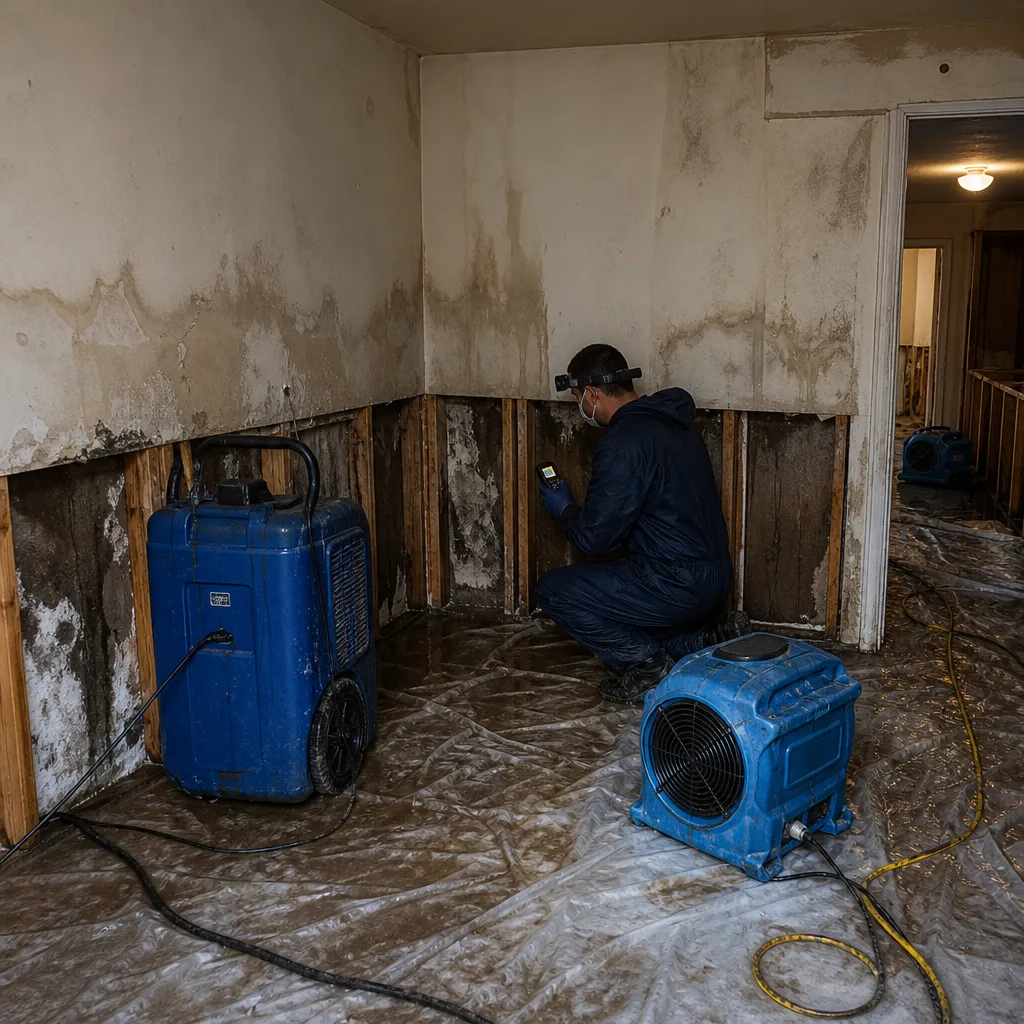 Before
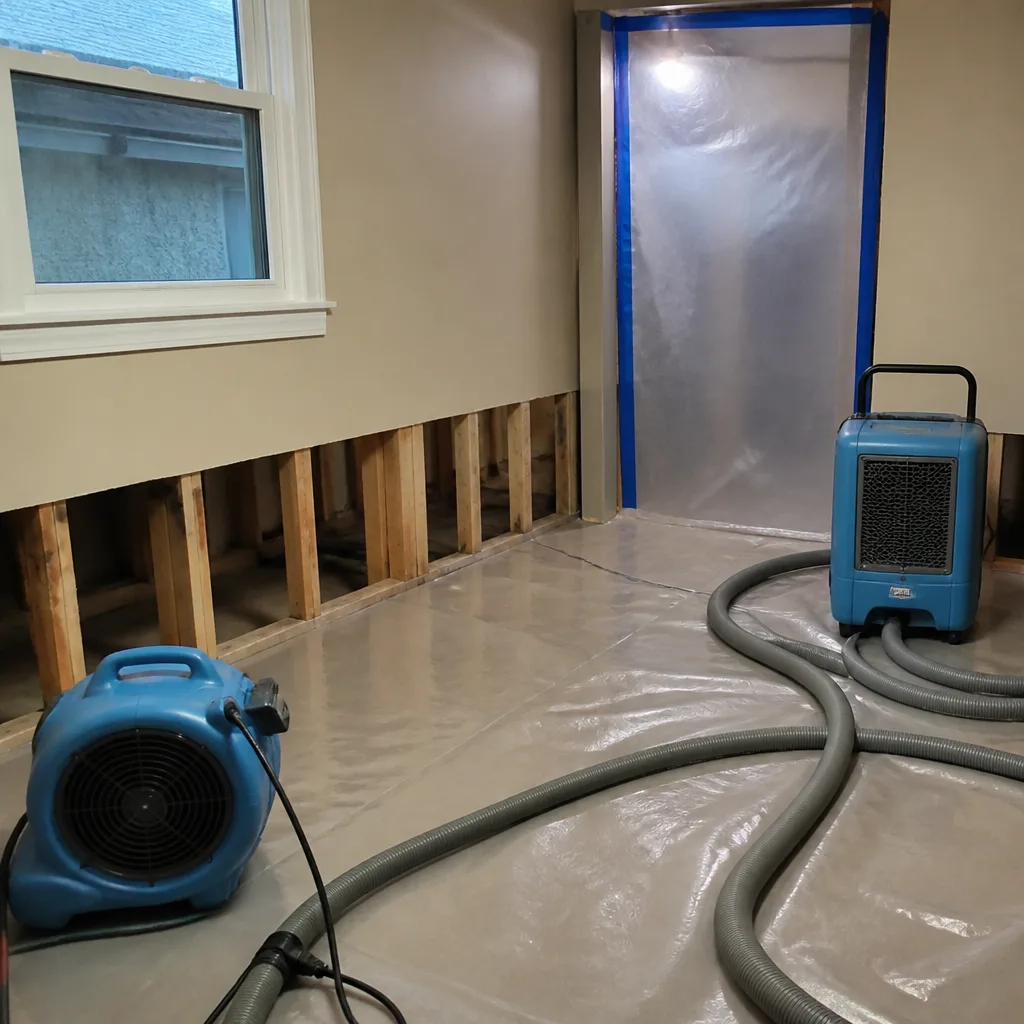
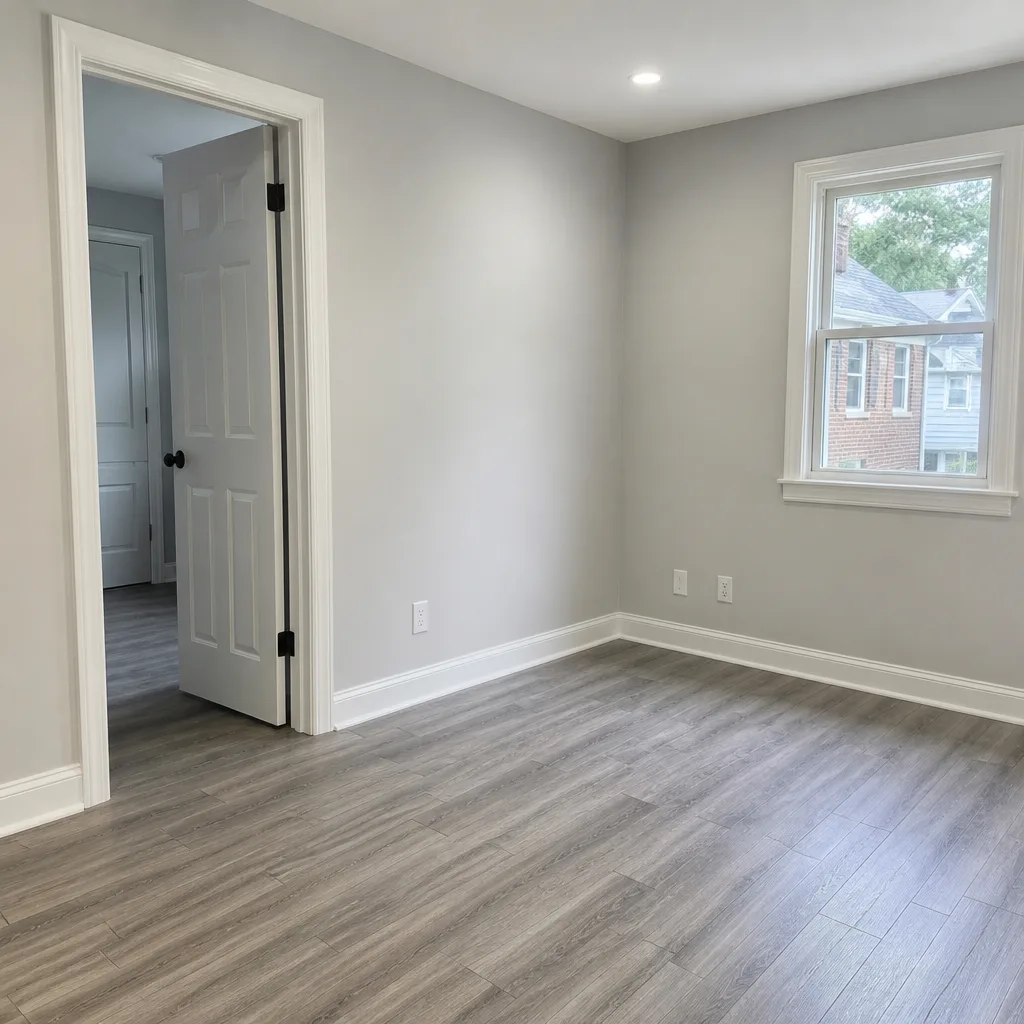 After
After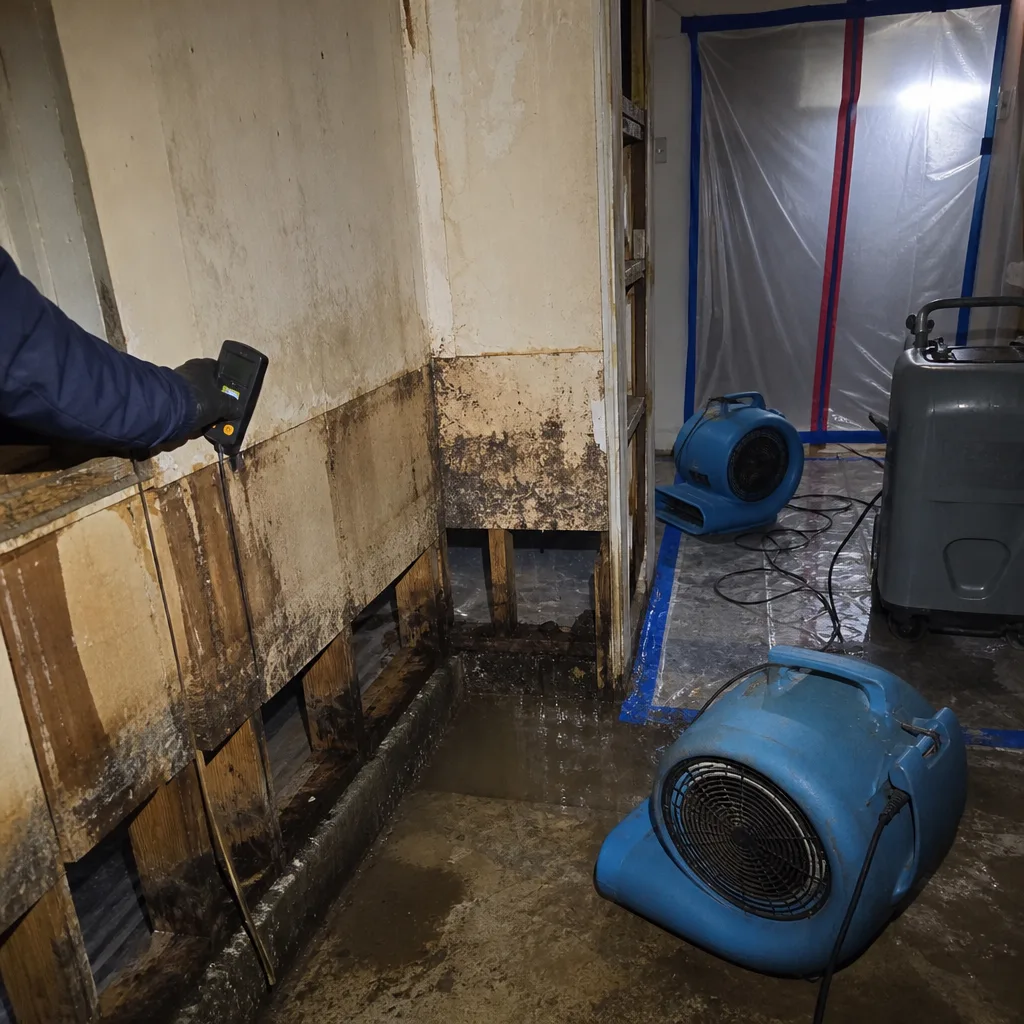 Before
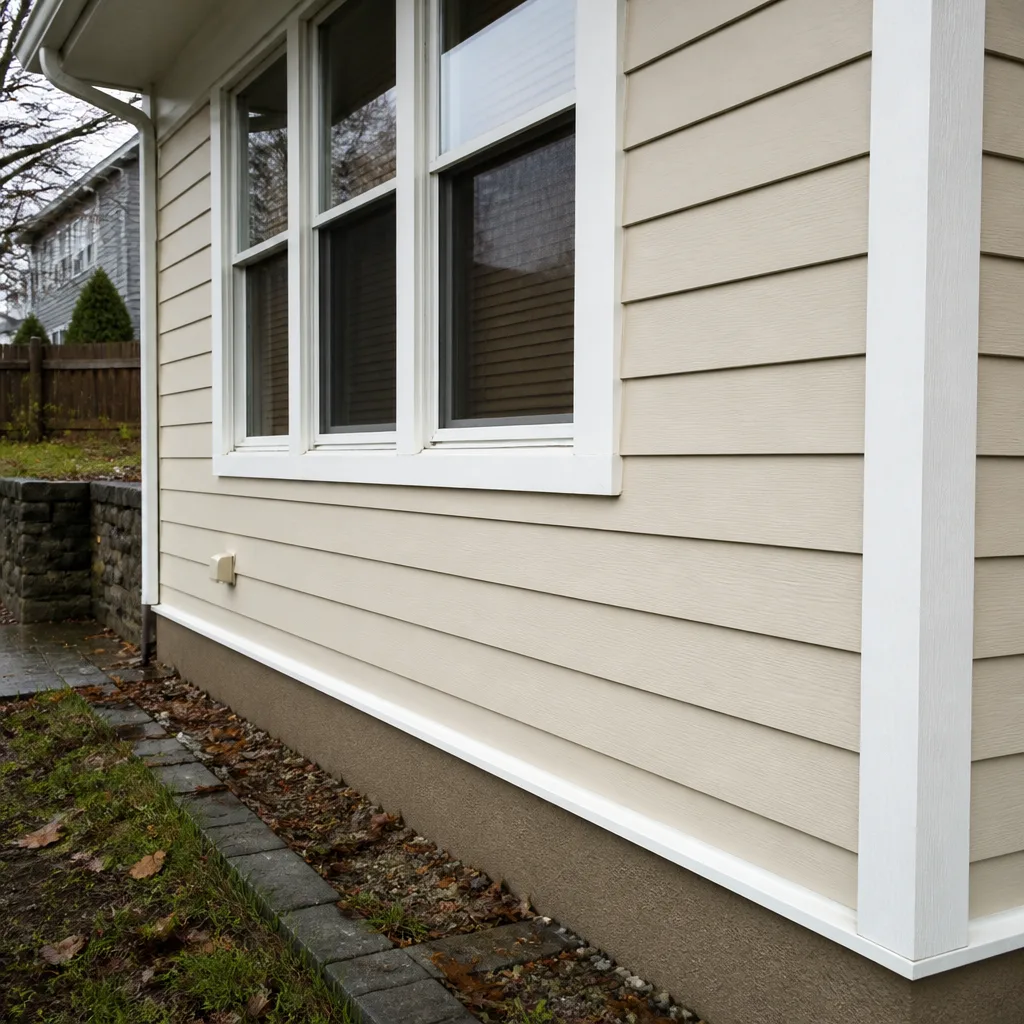
 After
After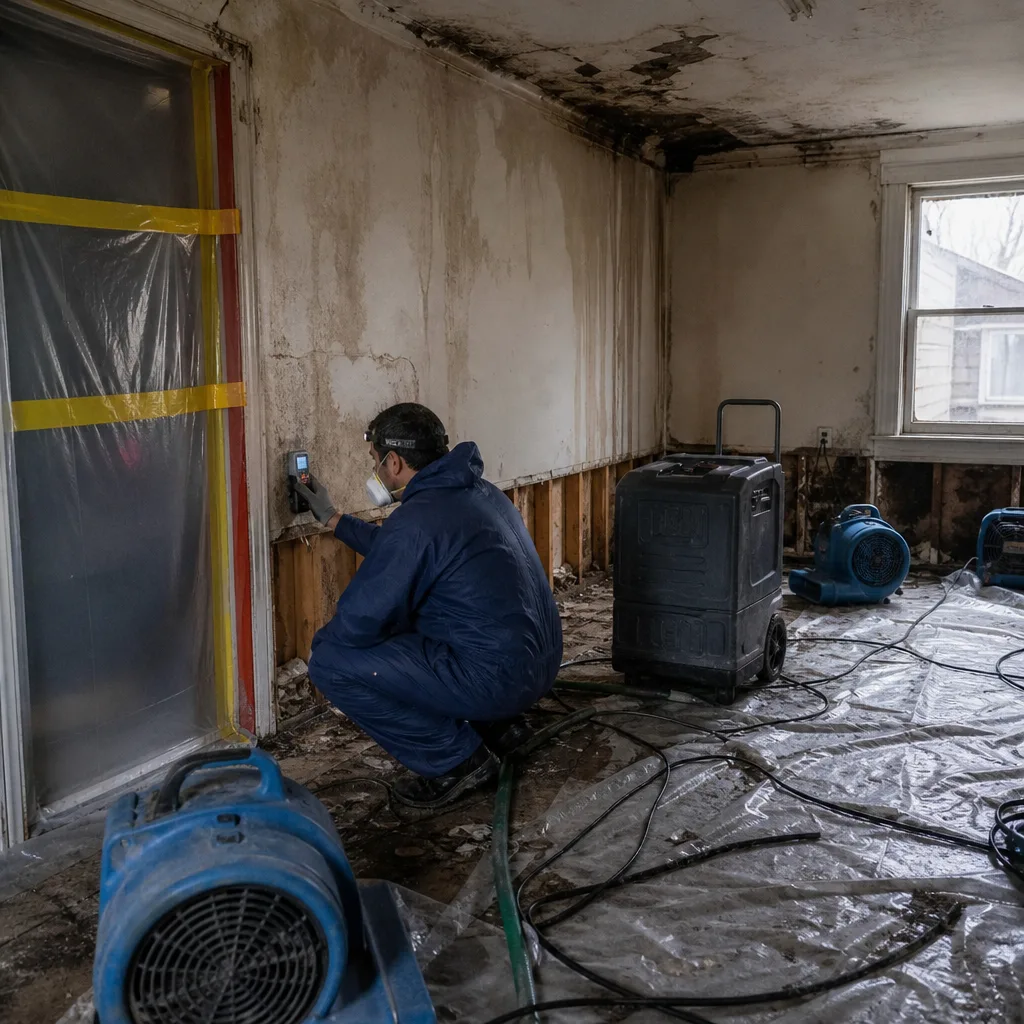 Before
 After
After