
Last updated October 16, 2026
 Fire & smoke cleanup
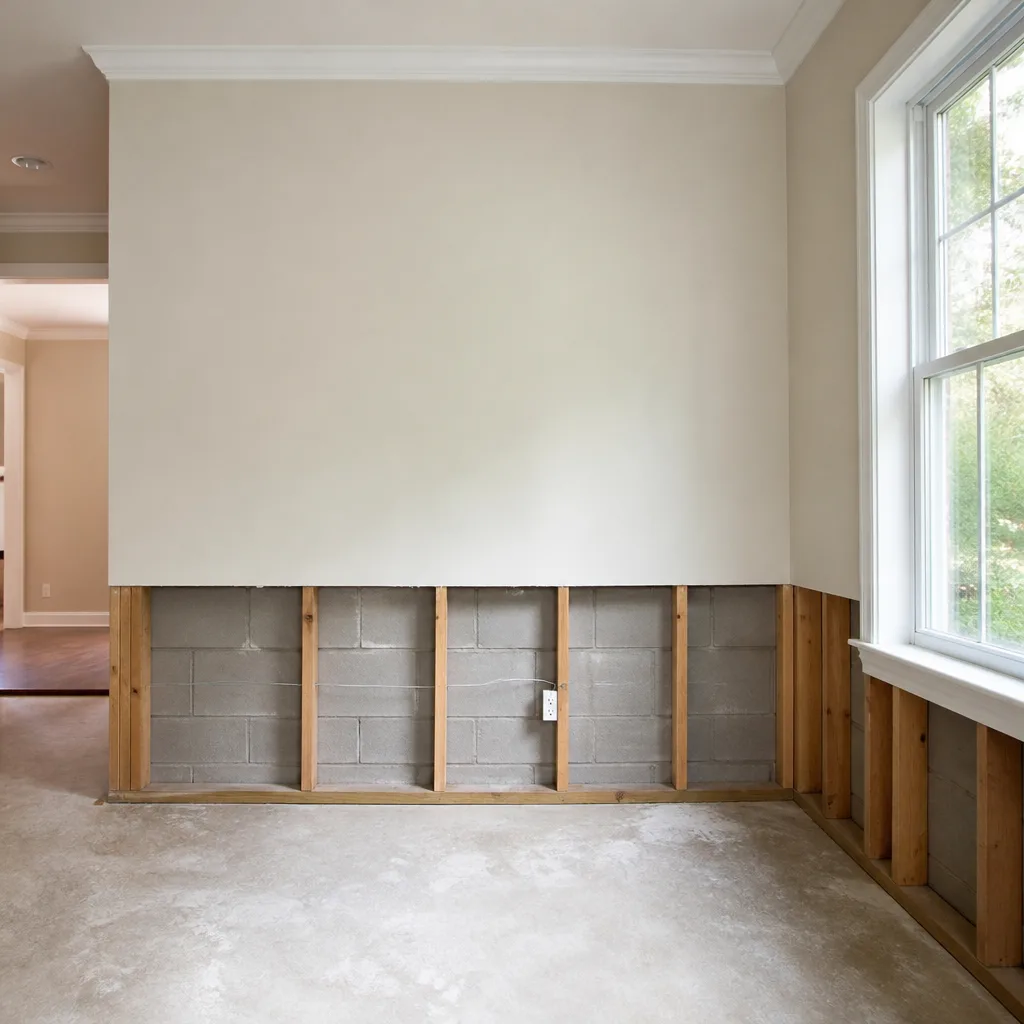 Mold remediation
 Storm response
 Sewage cleanup
 Reconstruction
Free visual inspection and a written scope of work before any mitigation begins - photos, moisture readings, and drying logs go in your claim file
The scope we write is the scope we bill. Anything new gets shown to you, in writing, before we touch it.
Get your free estimateWater Damage Restoration Maintenance Checklist for Yonkers Homeowners
Eighty percent of residential water damage claims trace back to a defect that was visible, and ignorable, for at least three months before the flood. The checklist most homeowners use skips the six spots where Yonkers homes fail first. This guide is organized by location inside the house, not by season, because water doesn’t keep a calendar. By the end, you’ll know exactly where to look, what to look for, what the numbers mean, and which defects put your insurance coverage at risk. We’ve been restoring water-damaged homes in Yonkers since 2005, and this is the checklist we wish every homeowner worked through twice a year. For a deeper dive, read The Complete Guide to Damage Restoration in Yonkers.
Quick Answer
A water damage prevention checklist for Yonkers homeowners should focus on six failure points: galvanized supply lines in pre-1970 homes, sump pumps without battery backup, flat roof sections on attached rowhouses, washing machine hoses older than five years, HVAC condensate lines in finished basements, and cast-iron drain stacks. Twice a year, inspect each area, document what you find with dated photos, and correct any defect immediately. If you find active water, shut off the supply and call a Water Damage Restoration services professional the same day.
Restoration work we handle
Table of Contents
- The Six Yonkers Failure Points Most Checklists Miss
- How to Read Your Water Meter for a Slow Leak in Under Four Minutes
- What Normal Basement Humidity Looks Like in Yonkers
- The Room-by-Room Inspection Log You Can Print and Date
- Which Defects Void Insurance Provisions and How to Document Corrective Action
- Common Mistakes to Avoid
- When to Call a Professional
- Frequently Asked Questions
The Six Yonkers Failure Points Most Checklists Miss
Generic home maintenance checklists tell you to clean gutters and check for drips. They miss the specific ways Yonkers houses fail. The housing stock here is older than the national average. Roughly sixty percent of single-family homes in Yonkers were built before 1970, and that matters because of what’s inside the walls and under the floors. We’ve walked into hundreds of Yonkers basements after a failure, and the same six conditions show up again and again. Here they are, in order of how often we see them cause damage.
1. Galvanized Supply Lines in Pre-1970 Stock
Galvanized steel supply pipes were the standard in Yonkers homes built before 1970. These pipes corrode from the inside out. The zinc coating wears away, rust builds up, and the pipe narrows until either the water pressure drops noticeably or the pipe wall fails entirely. The failure is rarely dramatic. More often it’s a slow seep behind a wall or under a slab that runs for weeks before anyone notices the baseboard swelling or the floor buckling. If your home still has original galvanized supply lines, you’re on borrowed time. A plumber can tell you in one visit what you have, but the homeowner check is simple: run the bathtub faucet on the top floor, then go outside and look at where the supply line enters the house. Rust-colored staining at any threaded joint means corrosion is active. The joint itself is a failure waiting to happen.
2. Sump Pits Without Battery Backup in Flood-Zone Blocks
Parts of Yonkers sit in FEMA flood zones, particularly along the Saw Mill River and the Bronx River corridors. A sump pump is only as good as the electricity running it. When the power goes out during a heavy storm, the pump goes off, and the water table in those blocks rises fast. We’ve seen six inches of groundwater enter a finished basement in under an hour after a power outage. A battery backup system costs a few hundred dollars and buys you hours of pumping capacity. If you have a sump pit, open the cover and look for a second pump or a battery unit. If you only see one pump plugged into a wall outlet, you don’t have a backup. Write that down on your inspection log and correct it before the next major storm.
3. Flat or Low-Slope Roof Sections on Attached Rowhouses
Yonkers has thousands of attached rowhouses, especially in neighborhoods like Park Hill, Nodine Hill, and southwest Yonkers near the Hudson. Many of these have flat or low-slope roof sections over kitchens, bathrooms, or rear additions. A flat roof has a lifespan of ten to fifteen years when maintained correctly, and far less when debris sits on it. Leaves, branches, and standing water accelerate membrane deterioration. The homeowner check: twice a year, go to the highest window that overlooks your roof and visually scan for ponding water, visible seams pulling apart, or debris accumulation. If you can’t see the roof from inside, use a ladder carefully or hire a roofer to inspect it. What you’re looking for is any area where water sits for more than 48 hours after a rain. That’s a failure point. In our experience, flat roof leaks in Yonkers rowhouses rarely announce themselves with a visible drip. They soak the roof deck and the wall cavity for months before the ceiling stain appears, and by then the repair is a water damage restoration job in Yonkers, not a simple roof patch.
4. Washing Machine Hose Age
Rubber washing machine hoses are under constant pressure, 24 hours a day, whether the machine is running or not. The rubber degrades, the brass fittings corrode, and eventually the hose bursts, usually at the fitting where it connects to the supply valve. The flow rate is roughly six to eight gallons per minute. A burst hose that runs for twenty minutes while you’re out of the house releases over a hundred gallons of water, which is more than enough to flood a finished laundry room and the rooms below it. We recommend replacing hoses every five years with braided stainless steel hoses. The homeowner check is simple: find the date printed on the hose. No date visible? Replace it. The cost is under forty dollars per pair, and it prevents one of the most common mid-day floods we respond to in Yonkers homes.
5. HVAC Condensate Lines in Finished Basements
Central air conditioning systems in Yonkers homes produce condensation during humid summer months. That water drips into a condensate pan and drains through a thin plastic line, typically to a floor drain or a sump pit. When the line clogs with algae, dust, or mold, the pan overflows. If the HVAC unit is in a finished basement, that overflow soaks into drywall, carpet, and flooring before anyone notices. The homeowner check is twice a year, once before cooling season and once after: locate the condensate pan under the air handler, check for standing water, and look for any dark staining around the unit. A cup of white vinegar poured down the condensate line every few months helps keep it clear. If the pan is rusted through, replace it before summer. A rusted pan leaks even when the line is clear.
6. Older Cast-Iron Drain Stacks
Cast-iron drain stacks in Yonkers homes built before 1960 are another time bomb. Cast iron corrodes from the inside as sewer gas and waste water eat at the iron. The pipe thins, cracks form along the vertical seams, and eventually sewage seeps out into wall cavities or under the basement floor. The homeowner check is visual: look at any exposed cast-iron pipe in the basement. Rust-colored scaling, weeping at joints, or a dull orange-brown stain on the floor beneath the stack means the pipe is actively failing. You won’t see the worst of it, because most of the stack is hidden in walls. But if you see signs at the exposed section, assume the hidden section is worse. This is not a DIY repair. A licensed plumber needs to scope the line and assess the full extent. If the stack fails completely, the damage moves from plumbing to mold remediation in Yonkers territory fast, because sewage water carries bacteria and pathogens that make the cleanup a health issue, not just a cleanup issue.
How to Read Your Water Meter for a Slow Leak in Under Four Minutes
Here’s the fastest way to know if you have a hidden leak, and it requires no tools and no professional training. Your water meter tells you exactly what’s happening inside your walls. Do this twice a year, and whenever your water bill spikes unexpectedly.
- Find your water meter. In most Yonkers homes, the meter is in the basement where the supply line enters the house, usually near the front foundation wall. It has a dial or a digital readout.
- Turn off every water-using device in the house. No dishwashers, no washing machines, no icemakers refilling, no toilets running, no faucets dripping. If a toilet is running against the flapper, stop and fix that first, then repeat the test.
- Note the exact reading. On a digital meter, write down every digit. On a dial meter, note the position of the needle. Some meters have a small triangular or gear-shaped leak indicator. If that indicator is spinning, you have a leak right now.
- Wait fifteen minutes. Don’t use any water during that time. Go read a book, check your email, do not flush a toilet.
- Read the meter again. If the number changed, you have a leak somewhere between the meter and your fixtures. If the number is identical, you don’t have a continuous leak. If the leak indicator was spinning, you have a leak regardless of the wait time.
- If you find a leak, isolate it. Shut off the supply to each toilet, one at a time, and watch whether the meter slows. Toilet flapper leaks account for a large share of the “hidden leak” calls we get for Marsh Water Damage Yonkers home visits. If all toilets are isolated and the meter still runs, the leak is in the supply line itself, and that’s a job for a plumber or a restoration crew.
We’ve used this test with hundreds of homeowners. It takes under four minutes of actual work. The payoff is catching a slow leak that would have run for months, soaking the slab, feeding mold, and adding hundreds of dollars to the water bill.
What Normal Basement Humidity Looks Like in Yonkers
Here’s a number most homeowners never learn: mold needs sustained relative humidity above 60% to grow and spread on organic surfaces like drywall, wood framing, and carpet. Below 60%, mold spores stay dormant. Above 60%, they germinate within 24 to 48 hours and start colonizing. That’s the line.
What does normal look like in Yonkers? Outdoor humidity here averages 65% to 70% from June through September. That means an unfinished, unconditioned basement in a Yonkers home will naturally run between 60% and 75% relative humidity all summer unless you do something about it. That’s mold territory. It’s also why basements in older Yonkers houses have that damp smell in July. The smell is microbial activity, and it means the humidity inside is crossing the threshold.
A finished basement should stay between 40% and 50% relative humidity year-round. An unfinished basement that stores cardboard boxes and old furniture should not exceed 55% for more than a day or two at a time. Buy a digital hygrometer for under twenty dollars, put it on a shelf in the basement, and check it weekly during the summer. If you’re consistently reading above 60%, you need a dehumidifier running, and you need to figure out where the moisture is coming from. Common sources in Yonkers include: groundwater wicking through the slab, condensation on cold water pipes, and air leaking in through the rim joist. The dehumidifier treats the symptom. Finding and correcting the source is what prevents the mold remediation in Yonkers job later.
One more number worth knowing: a properly sized dehumidifier for a 500-square-foot Yonkers basement removes about 30 to 50 pints of water per day. If your dehumidifier runs constantly and the humidity won’t drop below 65%, it’s undersized, or you have an active water source. Either way, fix it before the mold takes hold.
The Room-by-Room Inspection Log You Can Print and Date
Inspection logs work when they’re simple. Here’s a log you can print, put on a clipboard, and work through twice a year. Write the date at the top. Check each item. Write “OK” or note the defect. Date it, file it. Next time you inspect, compare. If a defect you noted six months ago hasn’t been corrected, that’s your priority. This log is also your documentation if you ever need to file an insurance claim and prove you’ve been maintaining the property.
Basement and Foundation
- Water meter test completed (follow the four-minute procedure above). Result: pass or fail.
- Exposed galvanized supply pipes checked for rust staining at joints.
- Sump pit opened. Primary pump present. Battery backup present? Yes or no.
- Sump pump test: pour a bucket of water into the pit, confirm the pump activates and discharges outside.
- Hygrometer reading recorded. Below 60%? Yes or no.
- Exposed cast-iron drain stack checked for weeping, scaling, or floor staining.
- Foundation walls checked for vertical cracks, horizontal cracks, or efflorescence (white mineral deposits).
- Rim joist area checked for damp insulation or dark staining.
Kitchen and Laundry
- Washing machine hoses inspected. Braided stainless steel? Date printed? Older than five years? Replace.
- Under-sink cabinet opened. Checked for warped cabinet bottom, staining, or active drip at the shutoff valves.
- Dishwasher supply line checked. Any mineral buildup at the connection?
- Refrigerator icemaker line checked for kinks or cracking.
- Kitchen exhaust hood vent checked for grease buildup that could block airflow and trap moisture.
Bathrooms
- Toilet flappers tested: drop food coloring in the tank, wait ten minutes, check if colored water appears in the bowl. If yes, flapper leaks.
- Caulk at tub and shower base checked. Any gaps, cracks, or dark staining?
- Grout lines checked for missing grout or soft spots when pressed.
- Shutoff valves at toilet and sink checked for ease of turning and any seepage at the stem.
- Exhaust fan tested: hold a piece of toilet paper to the running fan. If it doesn’t stick, the fan isn’t pulling air.
Roof and Attic
- Flat or low-slope roof sections viewed from highest accessible window or with a ladder. Ponding water? Debris? Seam separation?
- Attic checked for water staining on the underside of the roof deck, especially around penetrations like plumbing vents and chimneys.
- Attic insulation checked for dampness, especially near the eaves where ice dams form in Yonkers winters.
- Gutters and downspouts visually inspected from ground level. Downspouts extend at least four feet from the foundation?
- Skylights checked for condensation between glass panes or staining at the interior frame.
Print this log. Fill it out twice a year, once in spring and once in fall. The entire inspection takes about an hour once you know the routine. The failures it catches are the ones that turn a $200 repair into a $20,000 restoration job.
Which Defects Void Insurance Provisions and How to Document Corrective Action
Homeowners insurance does not cover neglect. That’s the simplest way to say it. Policies across New York State, including policies written for Yonkers homeowners, contain exclusions for damage caused by “continuous or repeated seepage,” “lack of maintenance,” and “failure to protect the property from further damage.” A slow supply-line leak that runs for six months and rots out the floor? That’s maintenance, and the adjuster will deny it. A sudden burst pipe that floods the basement in an hour? That’s covered. The difference is whether the defect was visible and whether you did anything about it.
Here’s how that plays out in practice. If you file a claim for water damage and the adjuster finds a washing machine hose stamped with a manufacture date eight years ago, they can argue that the loss was foreseeable. If they find a sump pump without a battery backup in a known flood-zone block, they can argue that the failure to mitigate is on you. If they find evidence of long-term seepage at the foundation, a rotted rim joist, or a cast-iron stack that has been weeping for years, the claim gets harder to win.
Documentation is your protection. Every time you complete the inspection log above, keep it. Take dated photos of anything you correct. If you replace a supply line, photograph the old one and the new one. If you add a battery backup to your sump pump, photograph the installation and keep the receipt. If you patch a roof membrane, photograph the before and after. These records prove that you maintained the property. When an adjuster sees a dated log, a receipt, and a photo, the conversation changes. You’re not a homeowner who ignored a problem. You’re a homeowner who identified a problem and corrected it.
If you discover water damage that you believe is covered, call us before you call your insurer. We handle storm damage restoration in Yonkers and other water damage claims every week, and we document everything with photos, moisture readings, and a written scope of work. That documentation matters when the adjuster arrives. We’ll also coordinate directly with your adjuster. The key is to document the damage before any cleanup begins, because once the wet drywall is in a dumpster, the evidence is gone.
Common Mistakes to Avoid
- Checking smoke detectors but not water shutoff valves. Every Yonkers homeowner knows where the smoke detectors are. Most couldn’t find the main water shutoff in under ten minutes if a pipe burst. Know exactly where your main shutoff is, and make sure it turns freely. A shutoff valve that’s frozen open is useless in an emergency.
- Assuming a wet basement is normal. A damp smell, peeling paint at the floor line, or condensation on the walls in summer is not normal. It’s a moisture problem that feeds mold above 60% humidity. In older Yonkers homes, it’s common, but common and normal are not the same thing.
- Running a dehumidifier year-round without finding the source. The dehumidifier pulls water out of the air. It doesn’t stop groundwater from coming through the slab or a supply line from seeping behind the wall. If the dehumidifier runs constantly and the humidity won’t drop, you have a source you haven’t found.
- Painting over water stains. A water stain on a ceiling means water got in. Paint covers the cosmetic issue. It doesn’t tell you whether the leak is still active, whether the roof deck is rotted, or whether mold is growing in the cavity. Find the source first.
- Replacing one section of cast-iron drain stack and ignoring the rest. Cast iron fails in sections, but the corrosion is usually system-wide. If one section is gone, the adjacent sections are often close behind. Patching one piece buys a year, not a solution.
- Waiting until spring to check the roof. Yonkers winters bring freeze-thaw cycles that tear open roof membranes and shove ice under flashing. The damage happens in February. By May, the water has been soaking the roof deck for three months. Check the roof in the fall, and check again after the first hard freeze.
When to Call a Professional
Some of the conditions on this checklist you can correct yourself: replacing a washing machine hose, clearing a condensate line, running the water meter test. But when you find standing water, active seepage, a burst supply line, a failed sump pump during a storm, or a sewage backup, don’t wait. Shut off the water supply if you can do so safely, then call a restoration company. The longer water sits, the further it spreads, the more it feeds mold, and the more the repair costs. Marsh Water Damage Yonkers offers free estimates in Yonkers. Call (914) 233-3437 and a live person answers, 24 hours a day, every day. We’ll tell you exactly who is coming, by name and photo, before the visit. And every job gets a written price before any work starts, so you know what you’re walking into.
Frequently Asked Questions
Twice a year in Yonkers is right for most homes: once in spring, once in fall. The spring check catches freeze-thaw damage from winter, and the fall check prepares the house for the next freeze cycle. If your home sits in a FEMA flood zone along the Saw Mill or Bronx River, add a third check in late summer before hurricane season peaks.
Shut off the water supply at the nearest shutoff valve, or at the main shutoff if the leak is in the supply line. Then remove anything valuable from the path of the water, photograph the damage, and call a restoration professional. Don’t wait to see if it stops. It won’t stop on its own.
Sudden and accidental bursts are typically covered, including the resulting water damage. Slow leaks, seepage, and damage from lack of maintenance are generally excluded. The distinction matters, which is why documenting your inspections and corrective actions is the single best thing you can do to protect a future claim.
Keep a finished basement between 40% and 50% relative humidity. An unfinished basement should stay below 60% at all times. Above 60%, mold spores germinate within 24 to 48 hours on organic surfaces like drywall and wood. Yonkers summers regularly push outdoor humidity into the 65% to 70% range, so a basement dehumidifier is not optional in most homes here.
Look for rust staining at threaded joints on any exposed pipe, check for visible flaking or pitting on the pipe surface, and watch for reduced water pressure at upstairs fixtures. If you see any of those signs, have a plumber inspect the full run. Galvanized supply lines in pre-1970 Yonkers homes are at end-of-service-life age, and the failure is rarely dramatic until it’s catastrophic.
Yes. We document every job with photos, moisture readings, and a written scope of work, and we coordinate directly with your adjuster. Our technicians use professional equipment from Injectidry and other commercial-grade manufacturers, and they’re credentialed through IICRC, RIA, and IFA. Call (914) 233-3437 for a free estimate, and we’ll walk you through the claim process from the first phone call.
The Bottom Line
Water damage in Yonkers homes rarely comes out of nowhere. It builds in the six places this guide covers: galvanized supply lines, unprotected sump pits, flat roof sections, aged washer hoses, clogged condensate lines, and corroding cast-iron stacks. The homeowner who inspects those six areas twice a year, reads the water meter, watches the basement hygrometer, and keeps a dated log catches the problem when it’s a repair instead of a restoration. If you find water, shut it off and call (914) 233-3437. We’ll answer live, give you a written price before work starts, and send a technician you know by name and photo before the doorbell rings.
Written by Tobias Reyner, Owner at Marsh Water Damage Yonkers, serving Yonkers since 2005.
See the difference
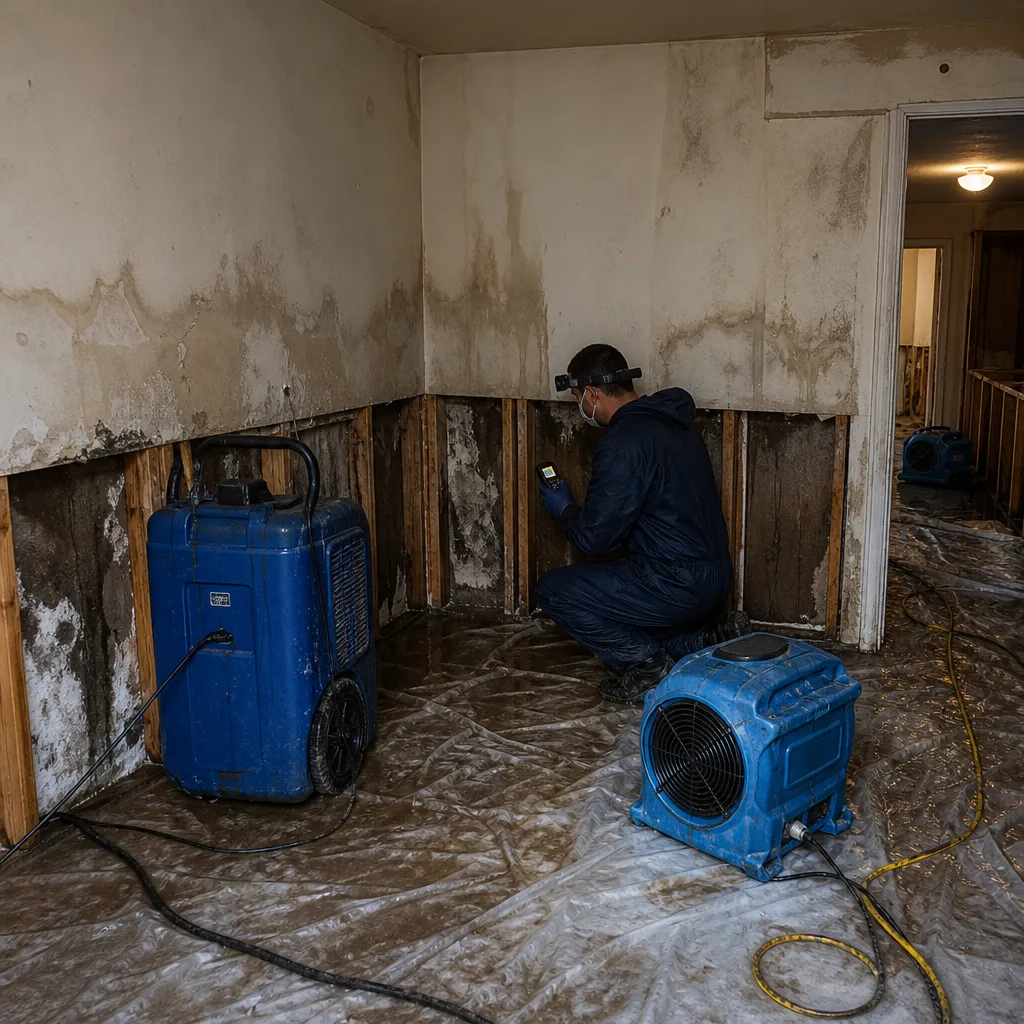 Before
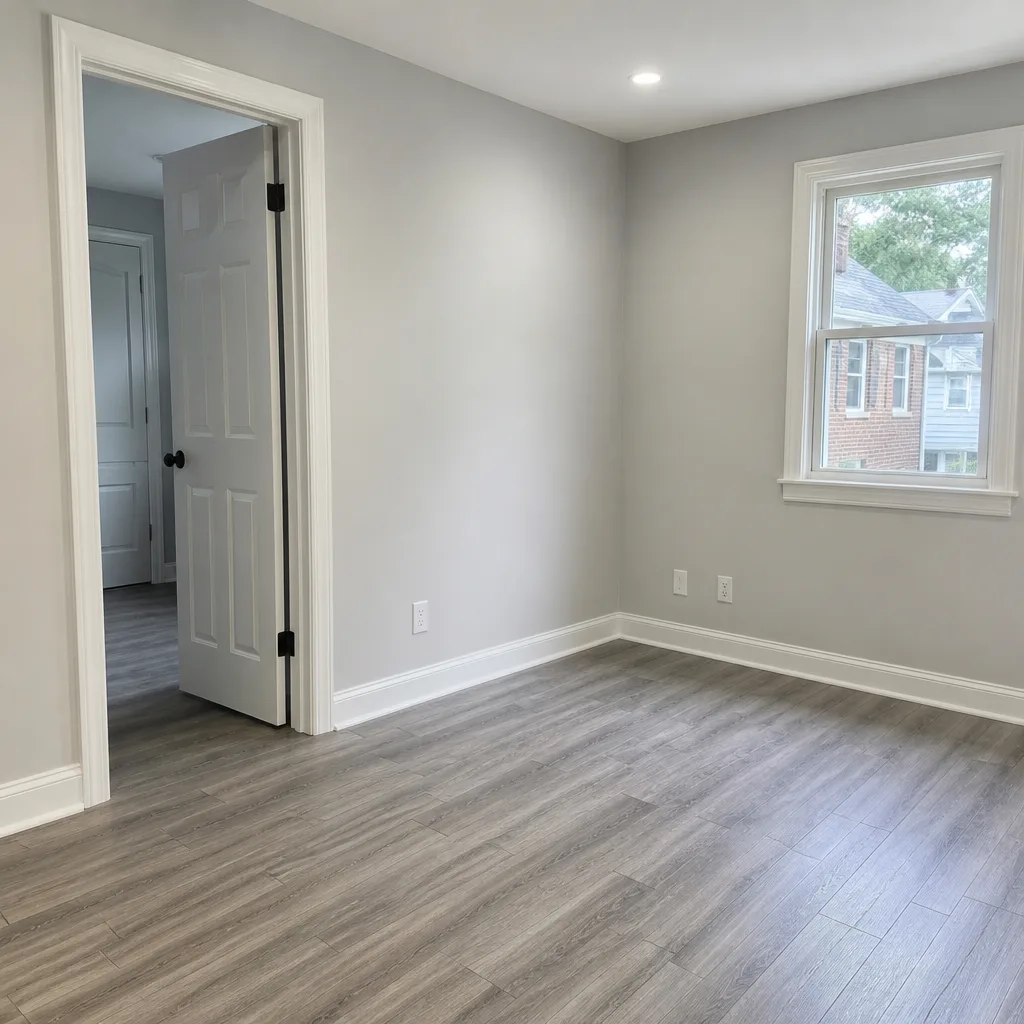 After
After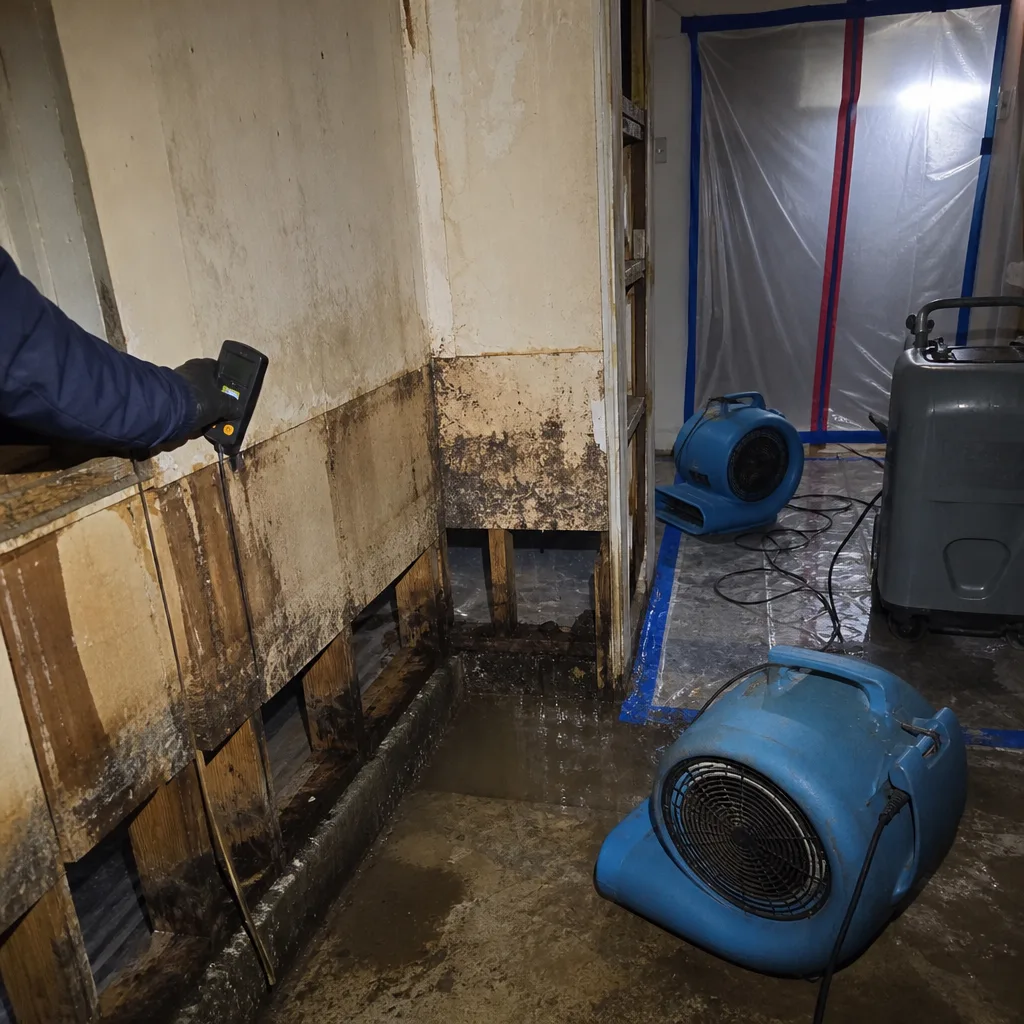 Before
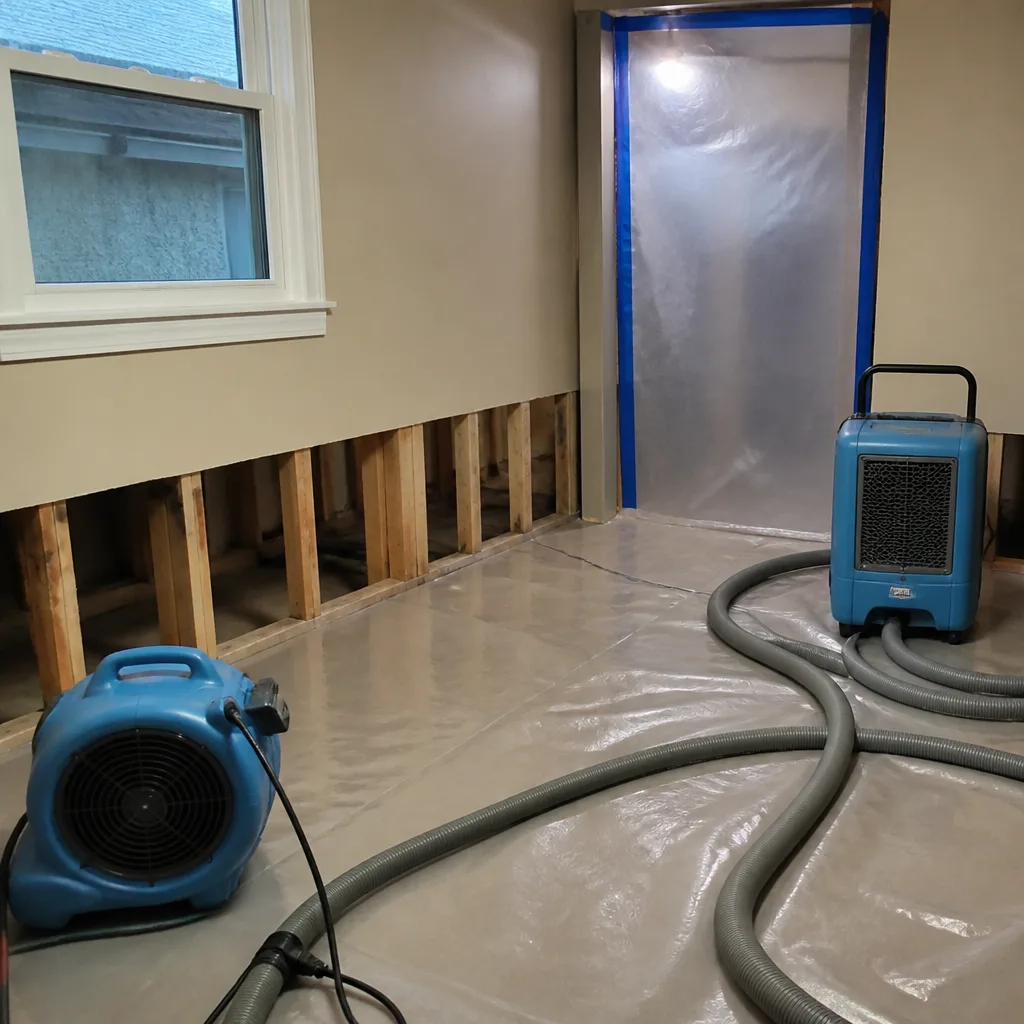 After
After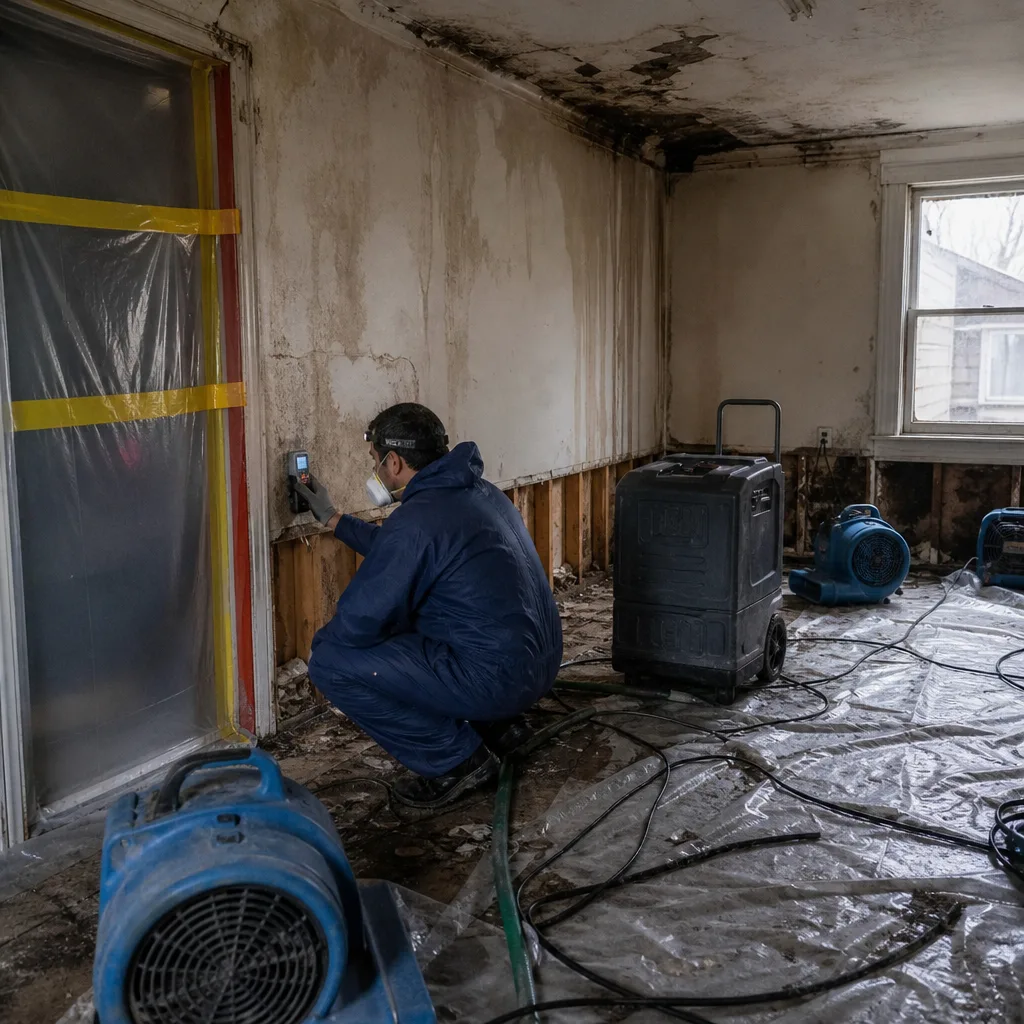 Before
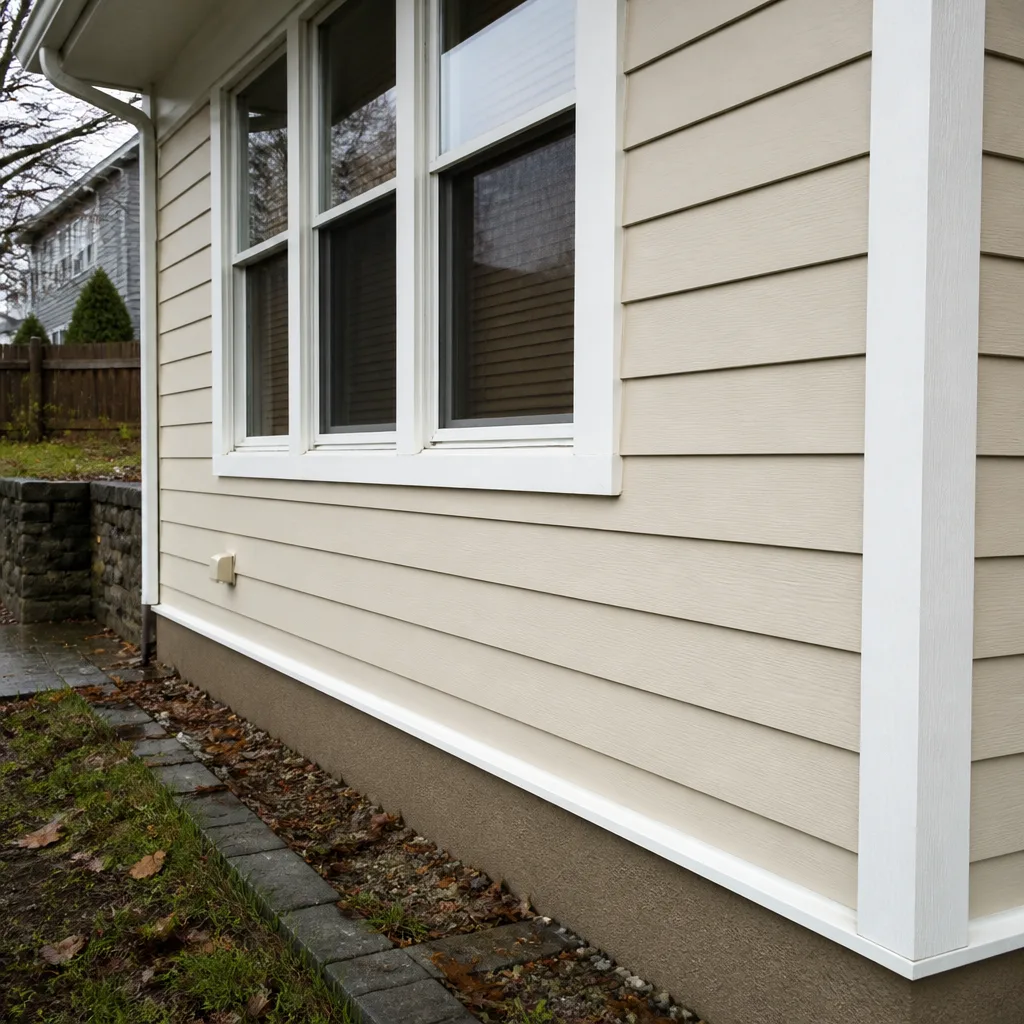 After
After