

 Fire & smoke cleanup
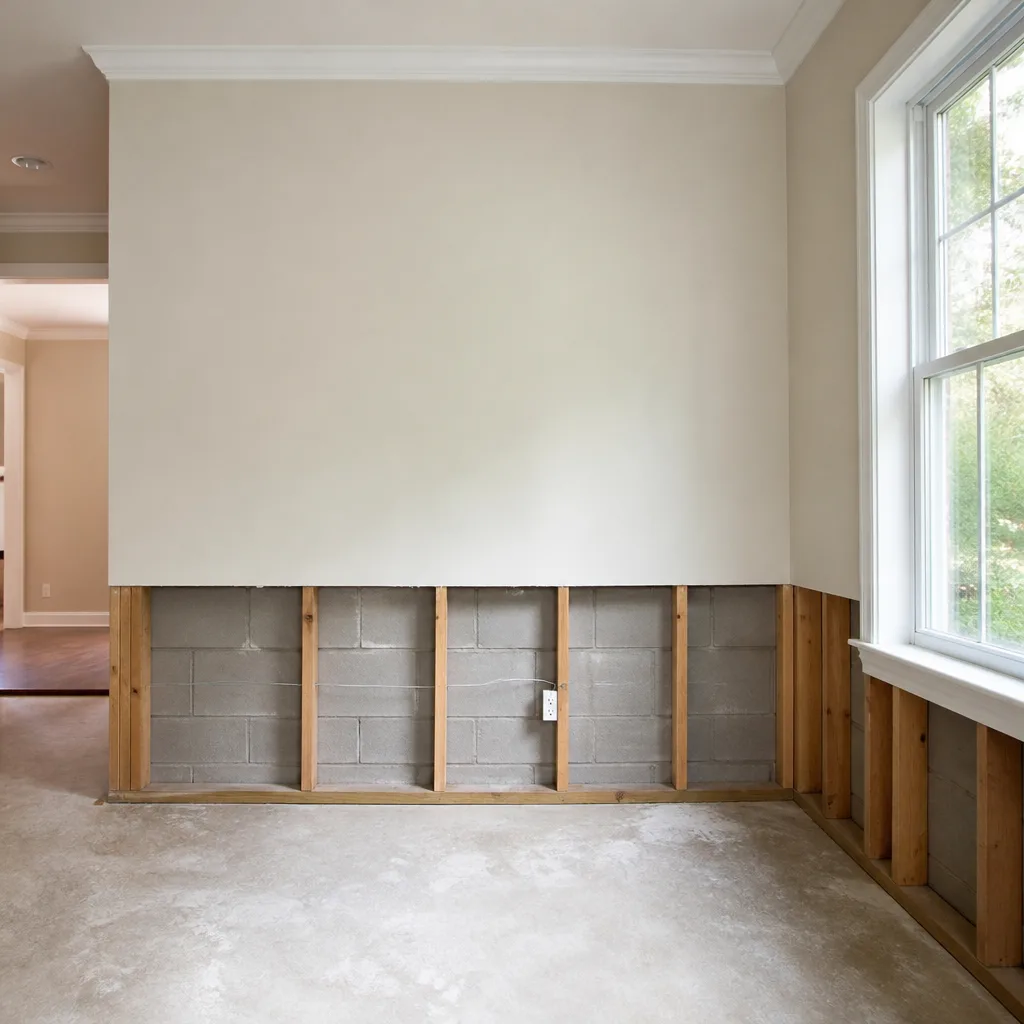 Mold remediation
 Storm response
 Sewage cleanup
 Reconstruction
Free visual inspection and a written scope of work before any mitigation begins - photos, moisture readings, and drying logs go in your claim file
The scope we write is the scope we bill. Anything new gets shown to you, in writing, before we touch it.
Get your free estimateFast, Reliable Water Damage Restoration Across City Island
A burst supply line, a nor’easter surge, a failed sump pump: water doesn’t wait in City Island, and neither do we. Our Water Damage Restoration crews reach City Island from the New York City dispatch office, usually within 60 to 90 minutes of your call. That speed matters on an island where basements sit at or below sea level and saltwater wicks into plaster and old-growth framing fast. Call (914) 233-3437 any hour, any day. A live person picks up, not a recording.
Why Marsh Water Damage Yonkers Is City Island’s Preferred Water Damage Restoration Company
City Island homeowners call us because the crews actually know the island. We understand that a house on Ditmars Street was built before indoor plumbing, that a basement on Schofield Street sits on a legacy stone-and-lime foundation, and that Minneford Avenue drains toward the Sound. That local knowledge changes how we dry, what we remove, and what we fight to save.
Since 2005, Marsh Water Damage Restoration has operated as part of the Threshold Group family. But what matters when water is rising in your house is the person at the door. Every technician who steps onto a City Island porch has been background-checked, identity-verified, and sent to you by name and photo before they arrive. They show a photo ID badge before crossing the threshold. That is the Threshold Standard, and it is printed on every work order along with our written price and our 365-Day Done Right Promise.
Our technical team holds IICRC, RIA, and IFA credentials. We run Dri-Eaz dehumidifiers, Phoenix and XPOWER air movers, and Injectidry panel systems. The gear matches what any national franchise deploys, but the crew knows what salt air does to drywall nails on City Island Avenue and why that changes fastener selection on a waterfront job.
Restoration work we handle
Water Damage Repair in City Island
Water damage repair in City Island usually means more than patching drywall after the water is gone; it means cutting out what the Sound contaminated, restoring the structure underneath, and matching the original materials. In a Victorian with plaster walls and original baseboards, repair is a preservation exercise as much as a drying one.
Most residential water damage repair in City Island runs between $2,800 and $8,500, depending on how far saltwater wicked into plaster and framing. A contained laundry overflow might stay at the low end. Tidal water that reached the baseboards of an original sitting room goes higher because the plaster and lath have to come out before hidden mold takes hold.
Plaster Removal and Structural Drying
Saltwater bypasses paint and saturates plaster within hours. Once water has sat for any length of time, especially category 3 water from a storm surge or sewer backup, drying the surface is not enough. We cut the plaster and lath, assess the studs, and dry the framing with Dri-Eaz dehumidifiers before rebuilding. Trying to dry salt-saturated plaster in place leaves mold blooming behind the lath within 48 hours.
Baseboard and Millwork Salvage
Original Victorian baseboards on City Island are often old-growth lumber, and those pieces have survived since the 1880s. We remove them carefully, catalog them by room, and dry them slowly so the wood does not cup or crack. Then we restore them to the wall once the structure is dry and the moisture readings match the adjacent unaffected rooms. When a section cannot be saved, we source salvaged replacements from local architectural suppliers so the repair does not read as new work.
Water Mitigation in City Island
Water mitigation in City Island is the emergency work you need in the first hours: stopping the source, extracting standing water, removing contaminated material, and setting up drying equipment before rot and mold move in. The goal on a low-lying island is to get the structure dry and stable before the sea air does more damage.
Mitigation pricing in City Island typically lands between $1,900 and $6,400 for a single room or basement. Extraction, disposal of wet debris, and three to five days of drying equipment falls in the middle of that range. Homes near the water on Pilot Street or along the shoreline often need longer equipment run times because the ambient humidity stays high, which pushes cost toward the upper end.
Containment and Controlled Demolition
When category 3 water is involved, which is anything from the Sound or a sewer line, we set up plastic containment to keep contaminated air and debris out of the rest of the house. Then we remove what cannot be saved: saturated carpet, wet insulation, and salt-contaminated drywall or plaster. The written price covers all of that before we cut anything.
Equipment Setting and Monitoring
We place Injectidry panels against wet wall cavities and position Dri-Eaz and Phoenix units to move dry air across every wet surface. Psychrometric readings, which measure the moisture in the air and in the material itself, tell us when the structure is genuinely dry, not just dry on the surface. Those readings are logged daily and shared with your adjuster if you file a claim.
Trusted Brands We Service in City Island
Fluidmaster supply lines, Zoeller sump pumps, Rheem water heaters, Whirlpool and LG laundry machines: these are the sources of most City Island water losses we see. We do not repair appliances or plumbing, but we restore the damage they leave behind and know which units are prone to what failures. When you need replacement materials, we stock common supply lines, valves, and sump pump parts locally so the rebuild is not stalled waiting on a part. Recovery work moves faster when the restoration contractor knows the equipment that failed and can salvage what is still usable.
See the difference
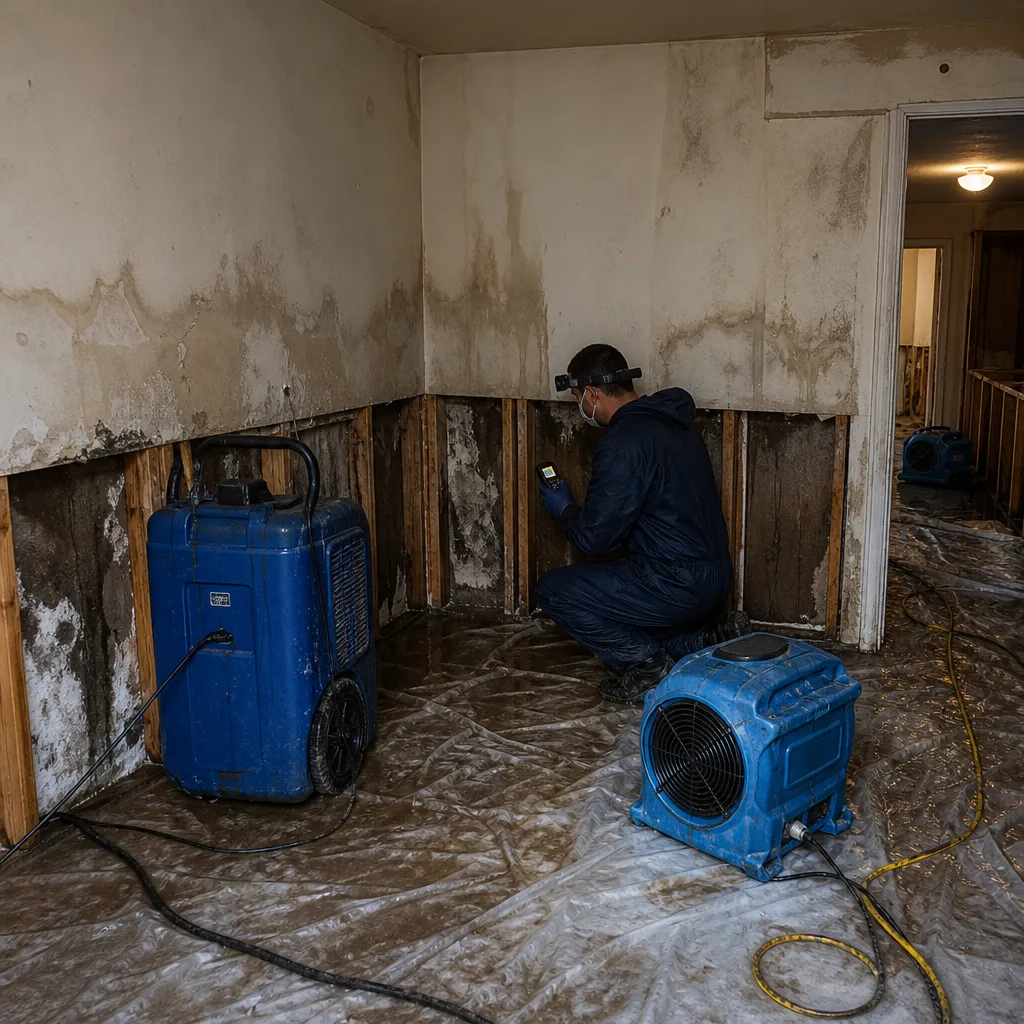 Before
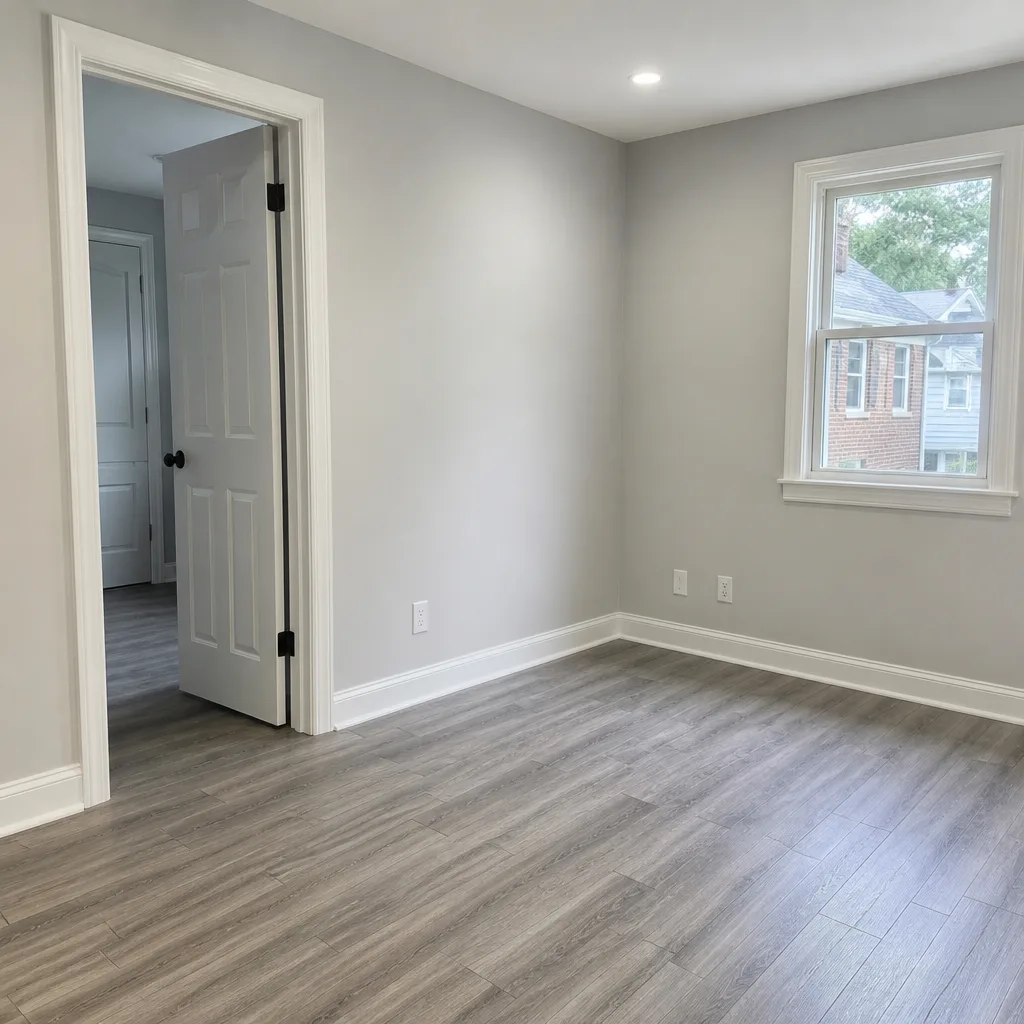 After
After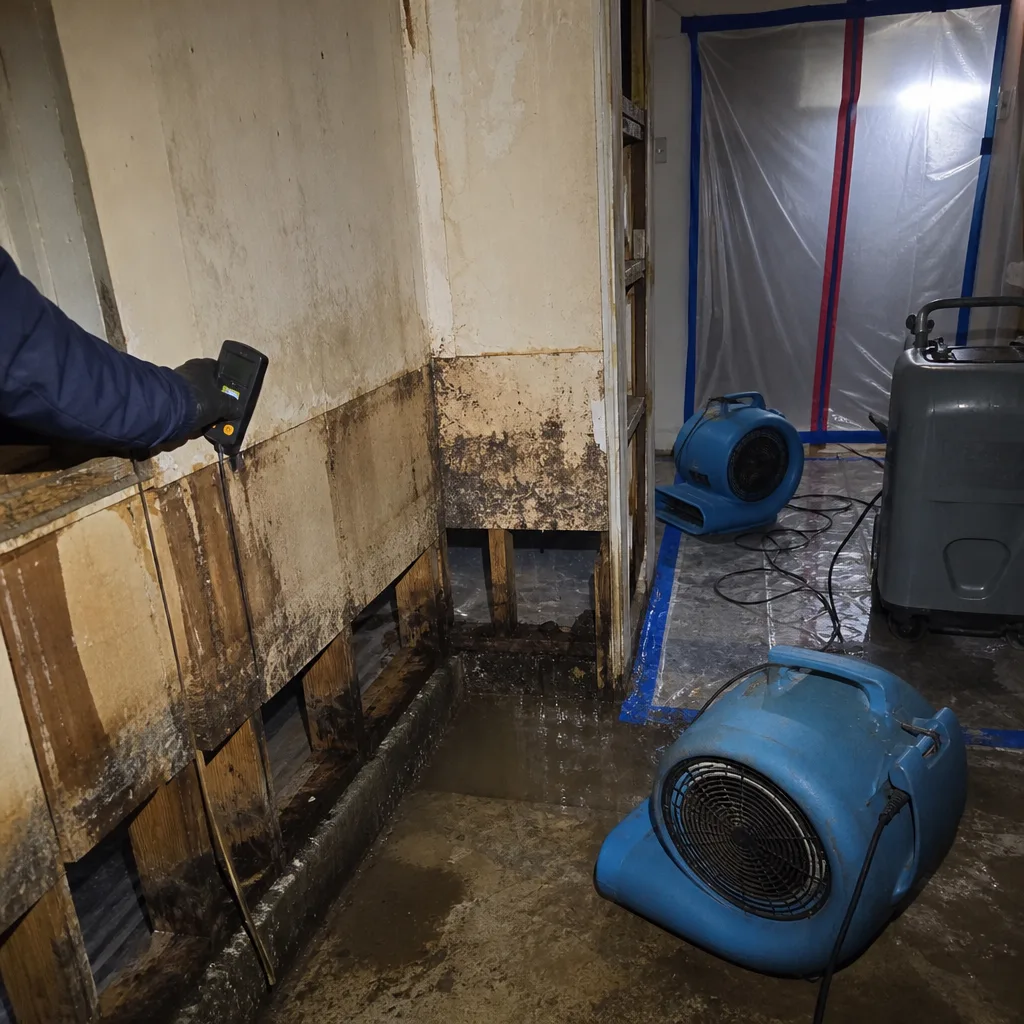 Before
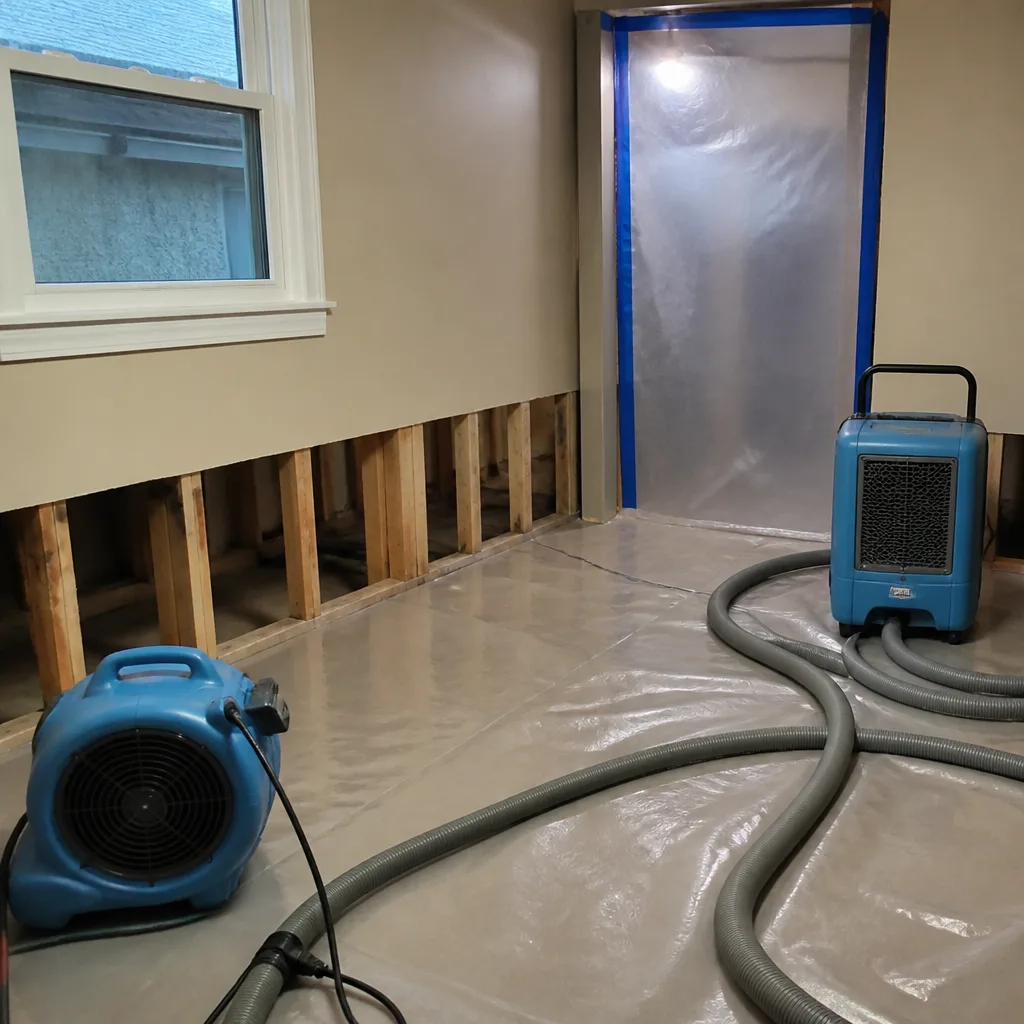 After
After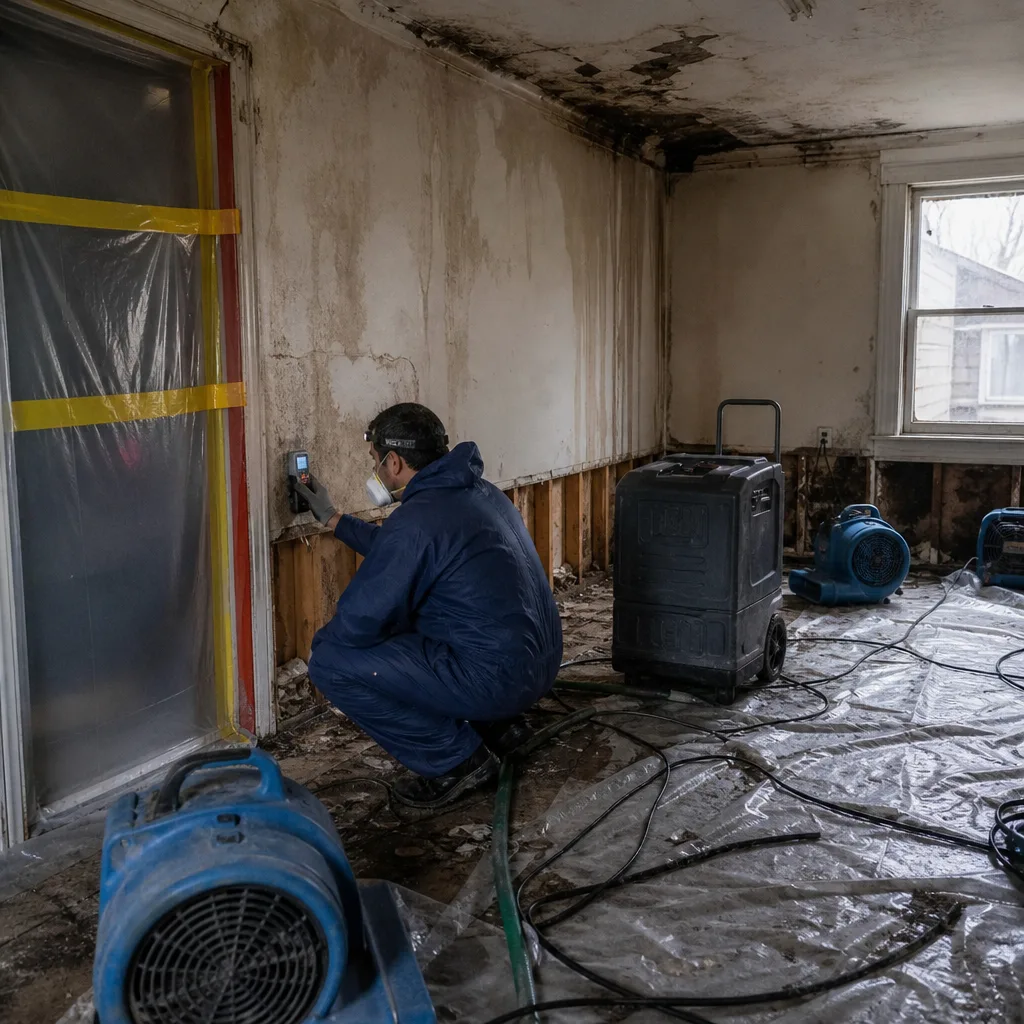 Before
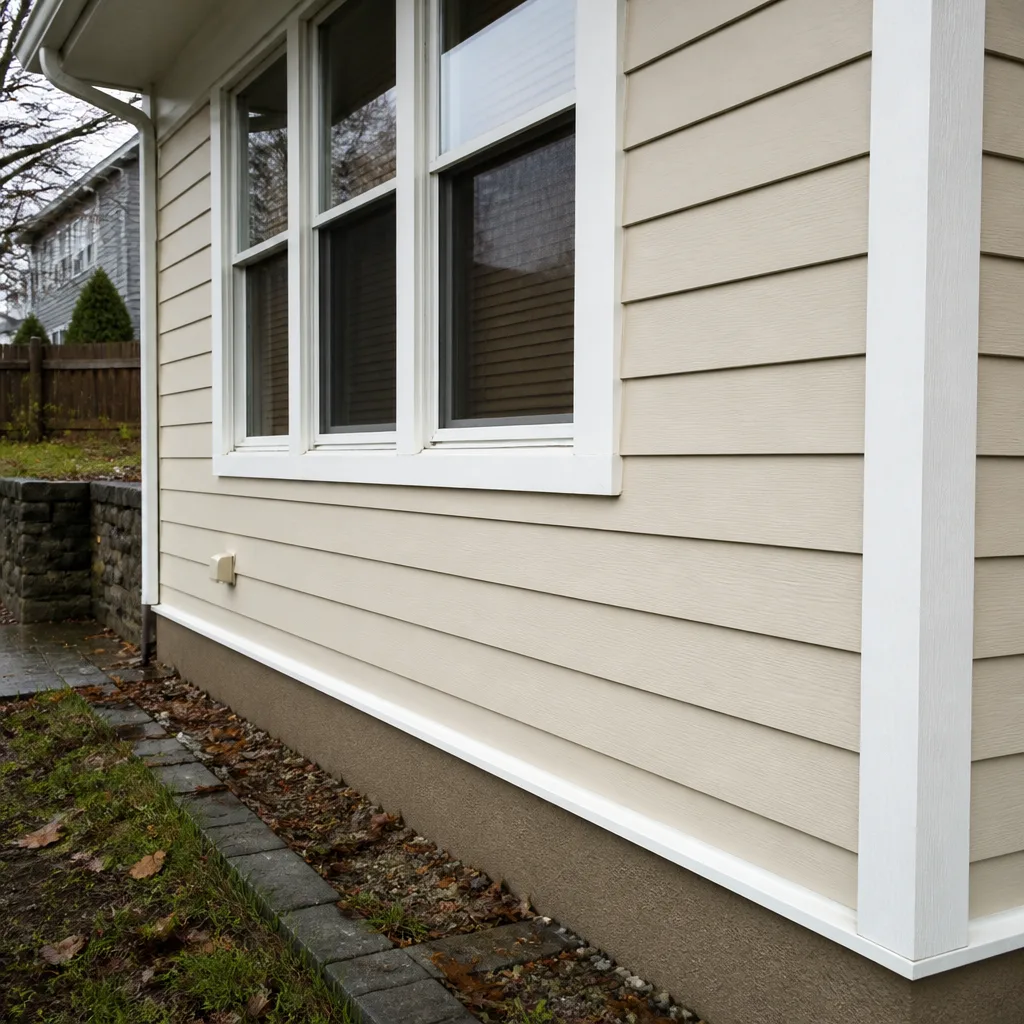 After
AfterCommon Water Damage Restoration Problems We See in City Island Homes
- Saltwater wicking in plaster-and-lath walls. Tidal surges and nor’easters push brackish water into basements and ground floors, and in a Victorian, that water climbs the plaster rather than just sitting on the floor. The salt stays in the plaster long after the surface dries, so we remove the contaminated material and dry the framing underneath.
- Legacy sump systems that cannot keep up. Many City Island basements still rely on older drainage setups and sump pumps that were never sized for the water table here. A pump that works fine in dry weather fails during the storm that actually floods the basement, so we check the system as part of mitigation and flag it if it will leave the house vulnerable.
- Corrosion on metal fasteners and equipment near the waterfront. Salt air accelerates rust on everything, and standard drywall screws or box store hardware will fail prematurely on a drying project close to the water. We use stainless and corrosion-resistant fasteners on waterfront jobs, because the repair has to survive more than a few seasons.
- Hidden tide-line mold behind baseboards. The water may only rise a few inches, but it leaves a tide line on the baseboard and the bottom of the plaster behind it. If that contaminated material is not cut out, mold grows in the wall cavity and you smell it before you see it. We find it by removing the baseboard and inspecting the wall, not by guessing from the outside.
Pricing for Water Damage Restoration in City Island, NY
Water damage restoration in City Island runs $1,900 to $8,500 for most homes, with the range driven by whether you need mitigation only or full repair. A straightforward water extraction and three days of drying equipment in a single basement usually lands between $2,400 and $3,800. A tidal surge that soaked plaster walls, ruined carpet, and damaged the lower drywall in multiple rooms can reach $12,000 on a larger Victorian. Every job gets a written price before we start, and that price does not change after demo begins unless we find something structural we could not have known about, which we will show you and document before proceeding. Call (914) 233-3437 for a free estimate.
On City Island, many original Victorian-era homes still have plaster walls over wood lath that wick saltwater upward after a tidal surge, leaving tide lines on baseboards and requiring removal of wet plaster to stop hidden mold behind the lath.
Last fall, after a nor’easter pushed Long Island Sound water into a basement on Ditmars Street, our City Island Storm Damage Restoration crew set up containment and began water extraction. Moisture mapping showed category 3 water had wicked up the plaster walls to 18 inches, so we cut the baseboards, removed the contaminated plaster and lath, and ran Injectidry panels with Dri-Eaz dehumidifiers until our moisture readings matched the pre-loss condition of the adjacent dry rooms. That is what the job required, and we documented every step for the homeowner’s insurer.
We Also Serve Cities Near City Island
Beyond City Island, our crews regularly work in Yonkers, Morningside Heights, Eastchester, and Scarsdale. If you have water damage in one of those communities, call (914) 233-3437 and ask for our Water Damage Restoration in City Island team; we coordinate response across the area from one dispatch line.
Serving City Island, NY - Our Local Coverage Area
We’re based in the City Island area and know this community well. Use the map below to see our service coverage - if you’re nearby, we can almost certainly help.
FAQs About Water Damage Restoration in City Island
Saltwater carries both moisture and dissolved salts into plaster, and once the water evaporates, the salt remains. That salt is hygroscopic, meaning it pulls moisture from the air and keeps the wall damp indefinitely. In a City Island Victorian with plaster-and-lath walls, the salt stays behind the plaster surface, and the only way to stop hidden mold from blooming behind the lath is to cut out the contaminated plaster and lath, dry the framing, and rebuild. Drying the surface leaves the problem inside the wall.
In many cases, yes. We pop the baseboards off carefully before any cutting begins, catalog them by room, and dry them slowly. Old-growth boards dry out and go back on. Baseboards that sat in salt water for more than a day or that show delamination may not be salvageable, but we replace them with period-appropriate salvaged material rather than modern stock. The goal is that the repair does not look like a repair.
Call immediately. The first 24 to 48 hours determine whether the job is cleanup or reconstruction. In City Island’s climate, the salt-laden air raises the humidity and gives mold a head start, so waiting even a day can spread damage from a corner of the basement to the lower walls of the whole room. We answer calls live at (914) 233-3437 around the clock and can usually have a crew at your door within 60 to 90 minutes.
For most emergency mitigation work, no. Water extraction, drying equipment setup, and controlled demolition of damaged materials are not permitted as construction. If the damage requires structural repair, which happens when saltwater rots framing or when a Victorian’s shallow foundation shifts, that portion will require building permits through the City of New York. We will tell you exactly what the project needs before any work starts, in writing.
We manage air movement so the exterior siding of a City Island home is not subjected to high heat or uneven drying that would cause cupping, splitting, or paint loss. On clapboard Victorians, that means setting equipment with attention to where air exhausts and monitoring both interior and exterior moisture. On waterfront lots, we use corrosion-resistant fasteners and equipment placements so the sea air does not rust gear or hardware during the dry-out.
If water has found its way into your City Island home, call (914) 233-3437 now. We will tell you over the phone what to do in the next few minutes, give you a written price before any work begins, and send a technician whose name and photo you already have. That is how restoration should work on an island where every house is a piece of history.
Written by Tobias Reyner, Owner at Marsh Water Damage Restoration, serving City Island since the company’s founding in 2005.