
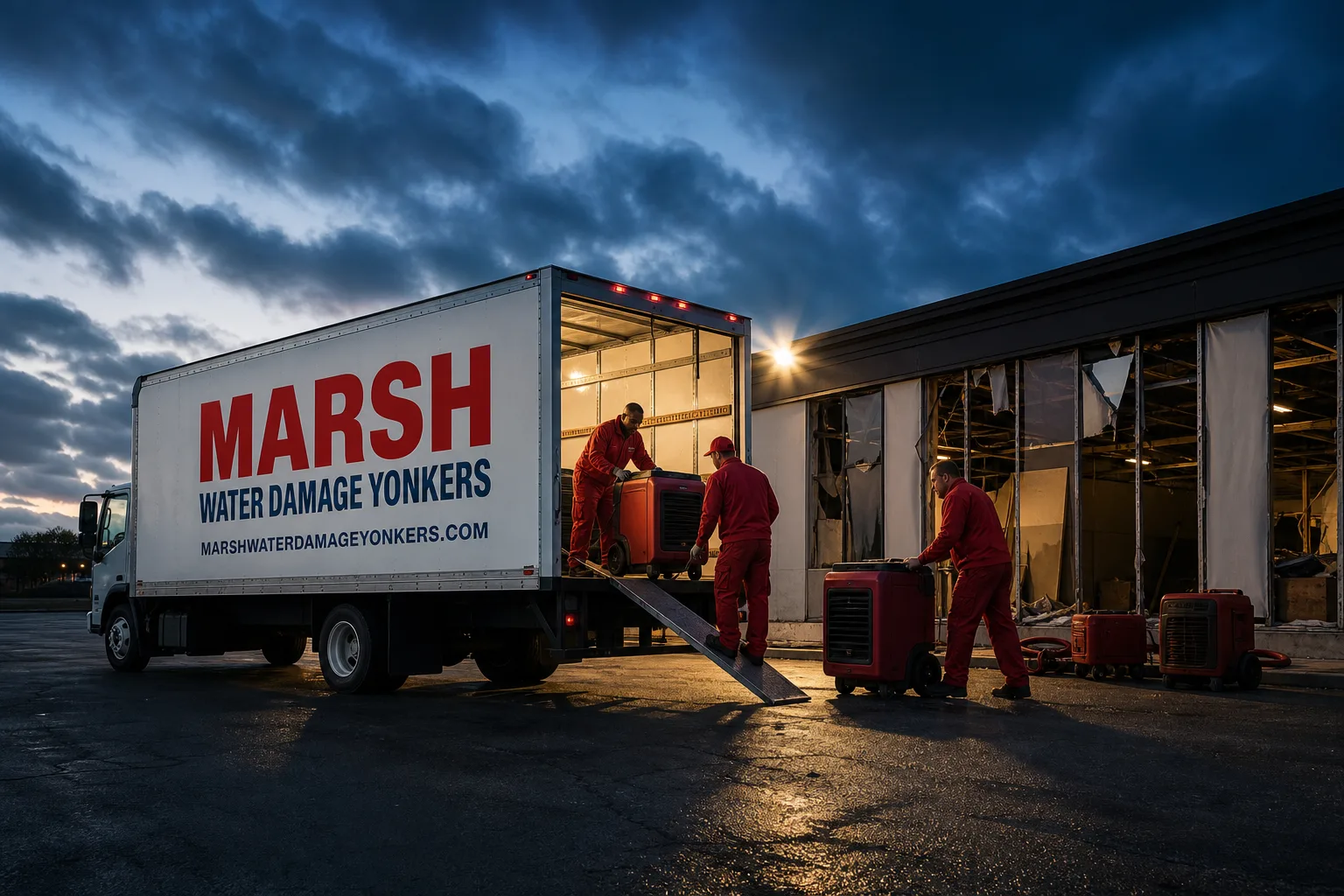
 Storm response
 Fire & smoke cleanup
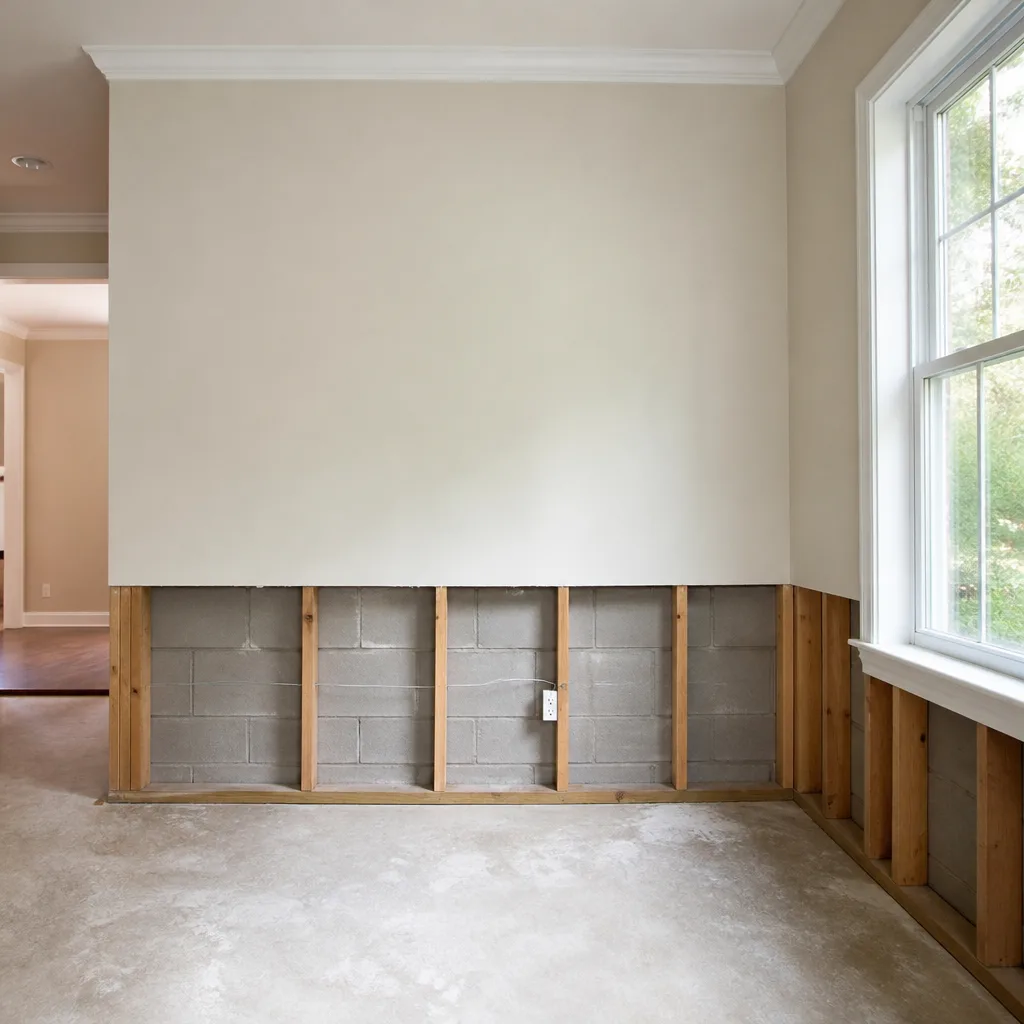 Mold remediation
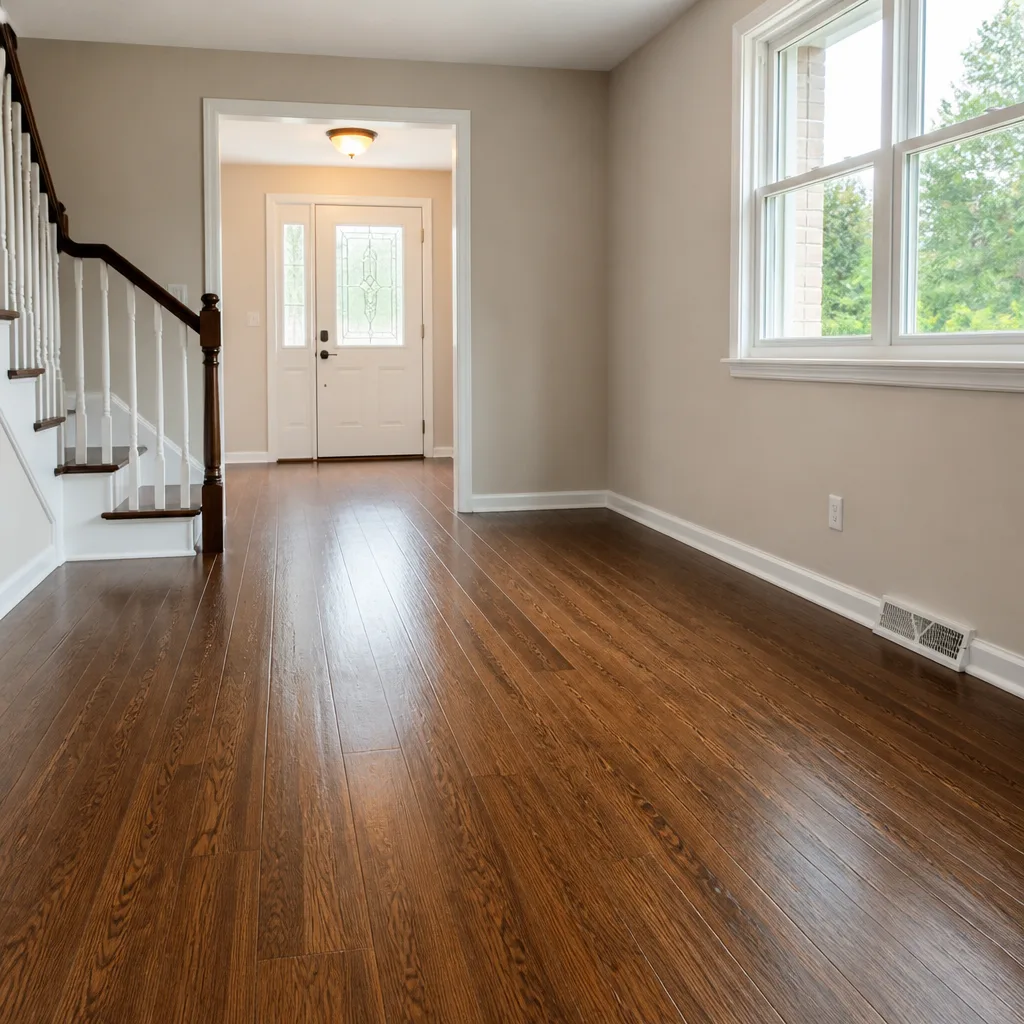 Sewage cleanup
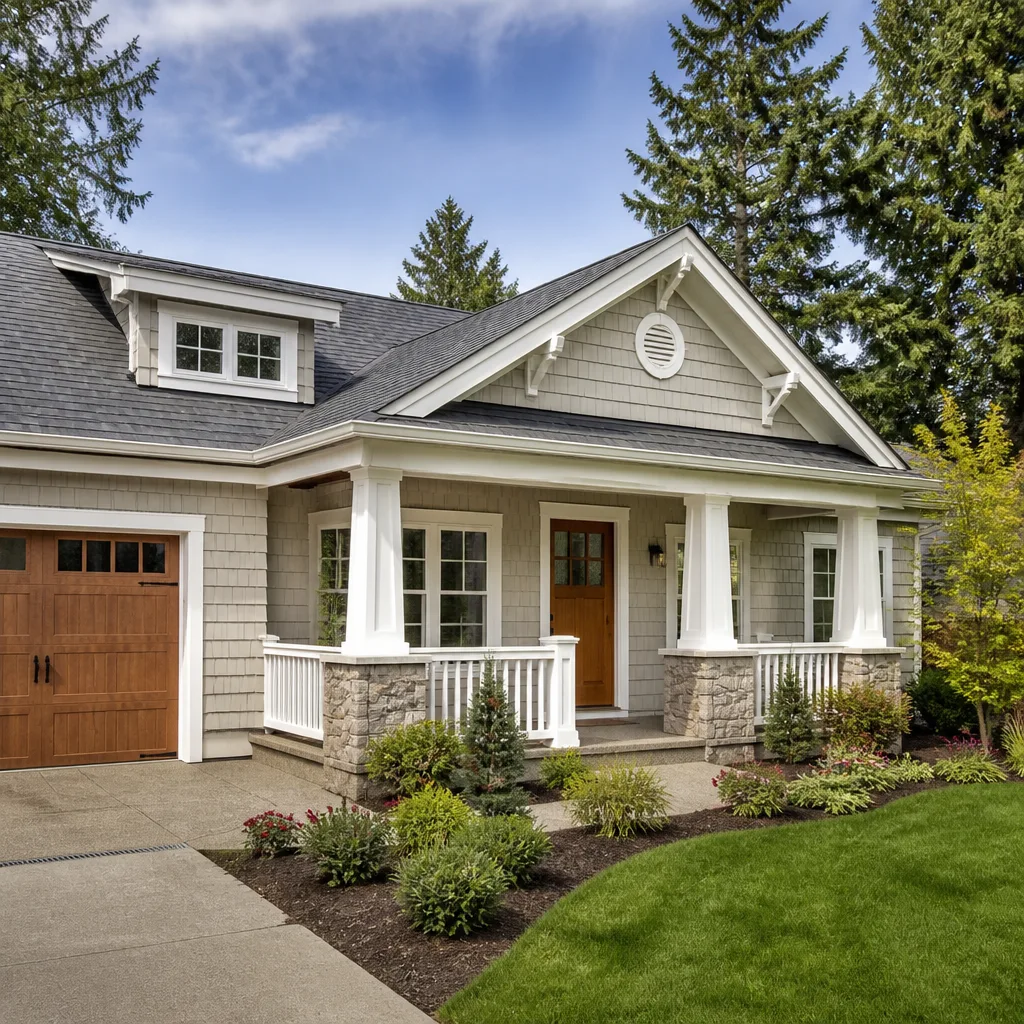 Reconstruction
Free visual inspection and a written scope of work before any mitigation begins - photos, moisture readings, and drying logs go in your claim file
The scope we write is the scope we bill. Anything new gets shown to you, in writing, before we touch it.
Get your free estimateFast, Reliable Storm Damage Restoration Across Orangeburg
When a nor’easter rips shingles off your roof or a thunderstorm pushes groundwater up through your basement slab, you need a restoration crew that knows Orangeburg’s specific risks. Marsh Water Damage Yonkers responds to storm damage in Orangeburg within hours, not days, because we understand what a high water table and 1960s-era drain lines mean for your home. Call (914) 233-3437 and a live person answers, day or night, to dispatch a Threshold Verified technician to your door. You’ll see who’s coming before they arrive.
Why Marsh Water Damage Yonkers Is Orangeburg’s Preferred Storm Damage Restoration Company
Orangeburg homeowners call us because we treat storm damage as a structural problem, not just a cleanup job. A downed tree limb that cracks a garage door track isn’t just cosmetic; it’s a wind-load failure waiting to happen. We assess the whole house: roof decking, gutters, foundation cracks, door jambs, window seals.
Every technician who arrives at an Orangeburg home is background-checked, identity-verified, and sent to you by name and photo before the visit through our Threshold Standard protocol. That means no surprises at the door. Tobias Reyner, who leads our restoration teams, holds every tech to the same five-step standard: verified identity, photo ID badge at the door, written scope before work starts, written guarantee on completion, and a 365-Day Done Right Promise printed on the work order. If the repair isn’t right within a year, Marsh makes it right, including a free second visit. That’s not a promotional line; it’s stamped on your paperwork.
Restoration work we handle
Flood Restoration in Orangeburg
Flood restoration in Orangeburg typically runs $3,500 to $12,000 depending on square footage, water category, and whether cast-iron drain lines under the slab have failed. When storm runoff and groundwater meet in your basement, the restoration process is rarely just extraction; it’s drying the structure behind the walls and under the flooring where you can’t see.
The first 48 hours matter most. Orangeburg’s high water table means water that enters through a floor crack isn’t just sitting on top of the slab; it’s actively being pushed upward. This changes how we dry: we place drying mats and negative-pressure points directly over slab penetrations, not just around the perimeter.
Moisture Mapping Before Anything Else
We don’t run fans and hope. Our techs use thermal imaging and moisture meters to map where the water actually went, including under vinyl plank and behind baseboards. In Orangeburg’s split-levels and capes, water frequently travels horizontally through the floor cavity before pooling in the lowest point of the finished basement. Mapping tells us which sections of flooring come out and which can be saved with Injectidry drying systems.
Category 2 and Category 3 Water from Storms
Nor’easter water that enters through the roof or walls is usually category 2 (gray water). If storm surge or a sewer backup is involved, it’s category 3 (black water) and requires different protocols, including antimicrobial application and controlled demolition of porous materials. We explain which category you’re dealing with in plain English before any work begins.
Basement Flood Cleanup in Orangeburg
Basement flood cleanup in Orangeburg starts at $2,800 for a standard 800-square-foot unfinished basement and runs $6,000 to $15,000 for finished basements with drywall, insulation, and flooring. The cost range is honest: a 1960s home with original cast-iron drains under the slab will cost more than a 1990s colonial with PVC, because the drain failure usually has to be exposed and repaired before drying can finish.
In Orangeburg, where homes sit on land that was historically low and wet, the basement flood cleanup process often means managing both stormwater from above and groundwater from below. We’ve seen basements flood during a heavy thunderstorm when no surface water entered at all; the water table simply rose and pressed through a hairline slab crack. This is why we don’t rush to dry and leave. We find the path of least resistance and seal it or flag it for a foundation contractor before drying equipment comes out.
Structural Drying with Commercial-Grade Equipment
Our Orangeburg crews run Dri-Eaz dehumidifiers and XPOWER air movers sized for true structural drying, not just surface evaporation. We take psychrometric readings (measuring the moisture in the air) daily until the structure reaches pre-loss moisture content. In a high-water-table town like Orangeburg, that often takes an extra day or two compared to inland areas with better drainage.
When the Drain Line Is the Real Problem
A cracked cast-iron drain line under a slab doesn’t show itself until water backs up through it or groundwater follows the crack into your finished basement. We identify these failures with camera scopes and hydrostatic testing. If the line has collapsed, the pack-out and repair become part of the water damage restoration scope, which is why our written price covers everything up front.
Trusted Brands We Service in Orangeburg
Our Orangeburg customers expect us to work with the equipment and materials they already have. We service and restore damage involving Dri-Eaz dehumidification systems, Phoenix drying equipment, and XPOWER air movers. If your garage door opener was damaged by wind-driven rain, we stock common local replacement parts for major residential brands, which means faster turnaround for Orangeburg homeowners. When restoration requires a new entry door or garage door after wind damage, we coordinate with local Orangeburg suppliers to verify wind-rating compliance before installation.
Common Storm Damage Restoration Problems We See in Orangeburg Homes
- Wind-rated door failures. Many Orangeburg homes have original garage doors from the 1960s and 1970s that were never designed for today’s wind loads. After a nor’easter bows a panel or tears a track, replacing the door with a wind-rated model is the only way to prevent repeat blow-ins.
- Ice damming on low-slope roofs. Orangeburg’s freeze-thaw cycles and nor’easters create ice dams on capes and ranches with shallow roof pitches. Water backs up behind the ice, seeps under shingles, and drains into soffits and exterior walls before anyone notices.
- Clogged gutters pushing water into window wells. The wooded lots around Orangeburg mean gutters fill with leaves and tree debris quickly. After a heavy storm, a clogged downspout sends water cascading over the fascia and directly into basement window wells, flooding through leaky frames.
- Cracked cast-iron drains under Dutch Hill slabs. Homes in the Dutch Hill area and other 1950s-70s Orangeburg subdivisions frequently have original cast-iron drain lines that have rusted through. Storm flooding reveals these cracks by pushing groundwater up through them.
See the difference
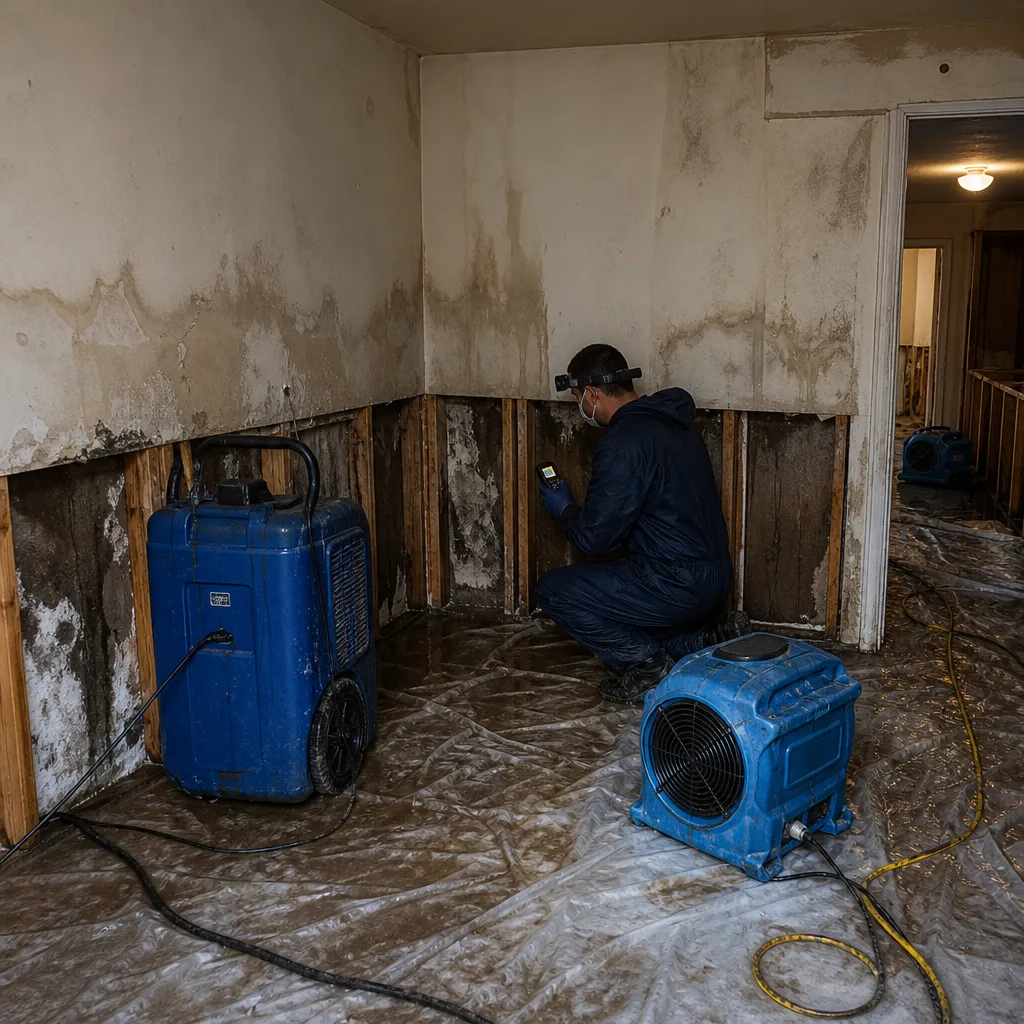 Before
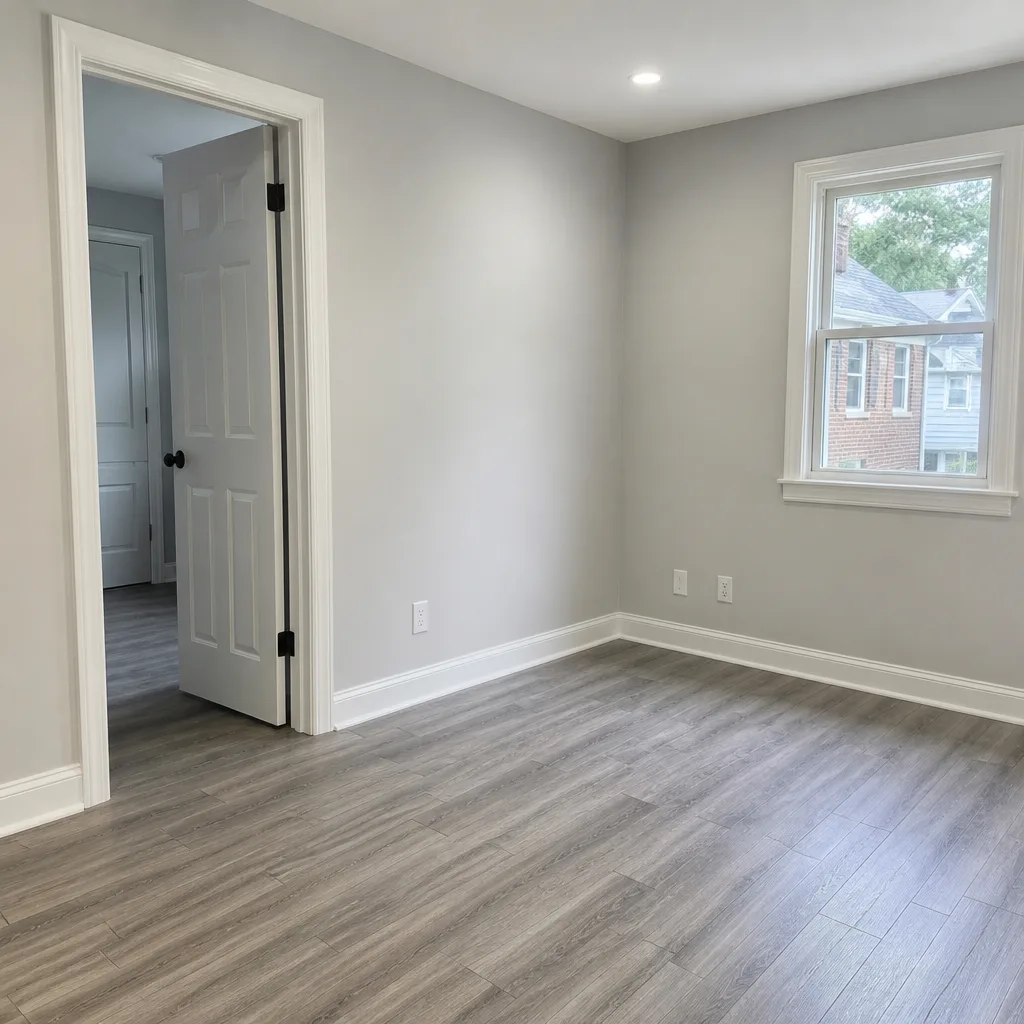 After
After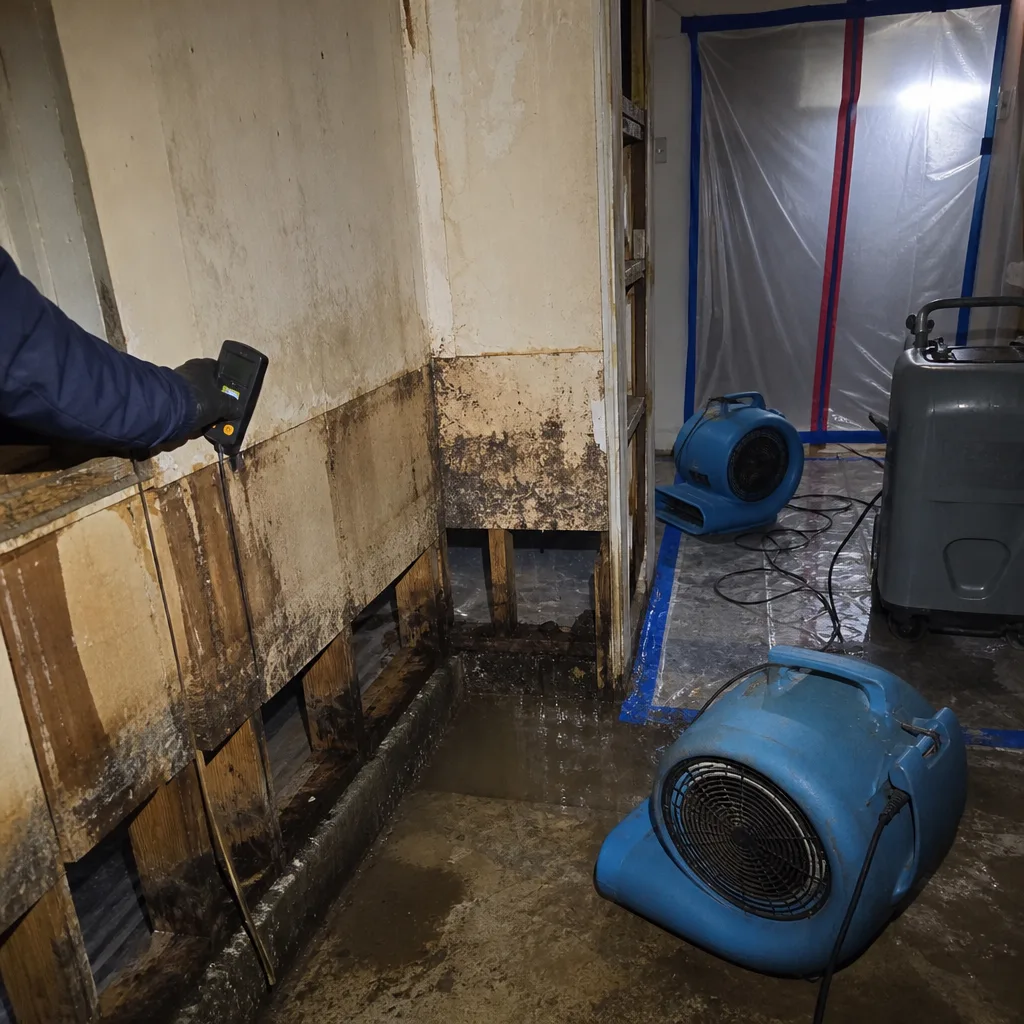 Before
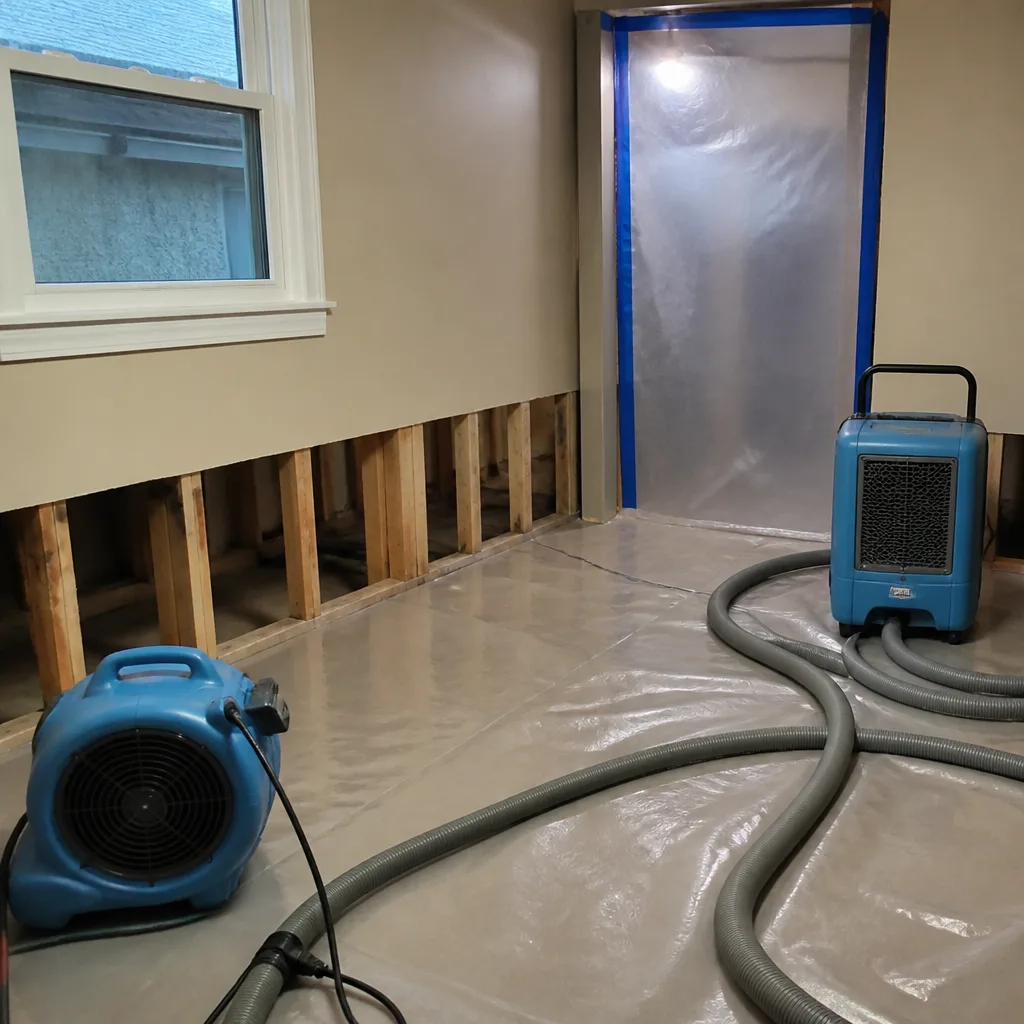 After
After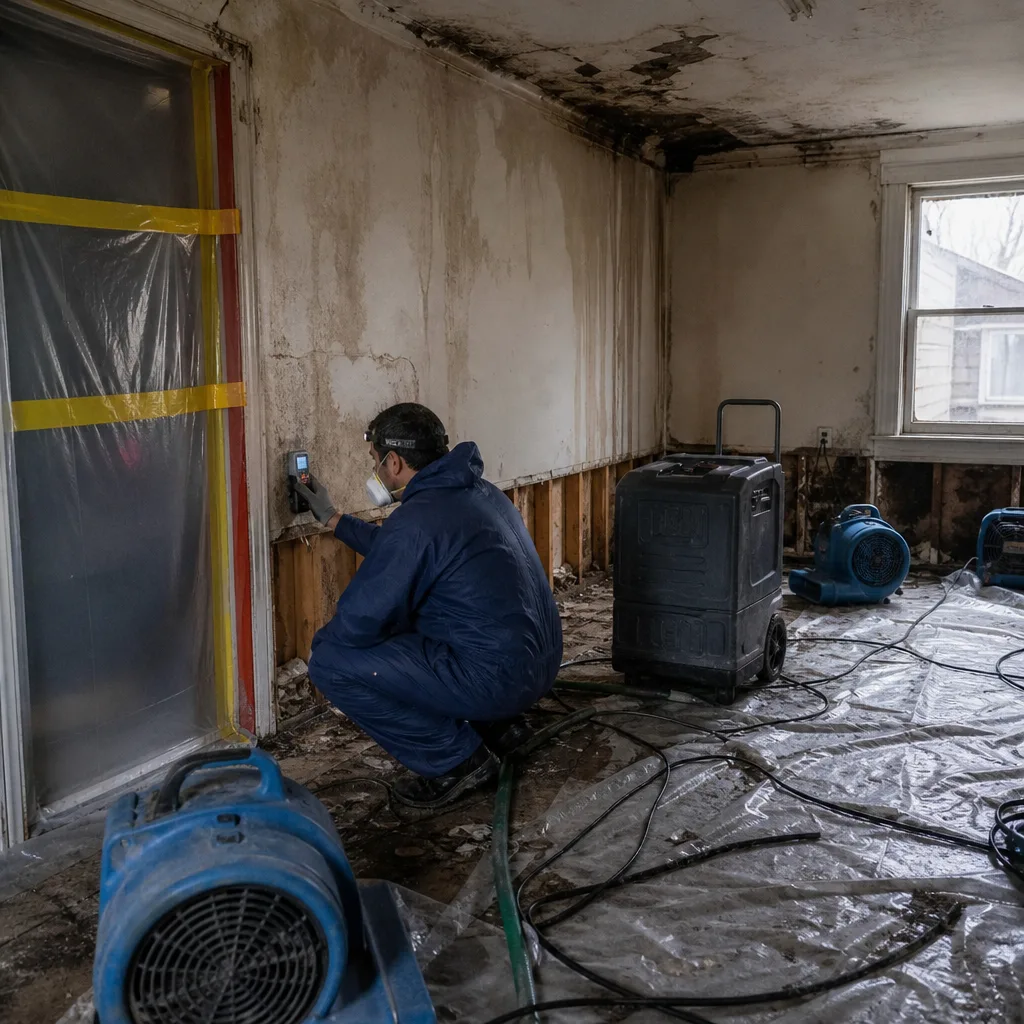 Before
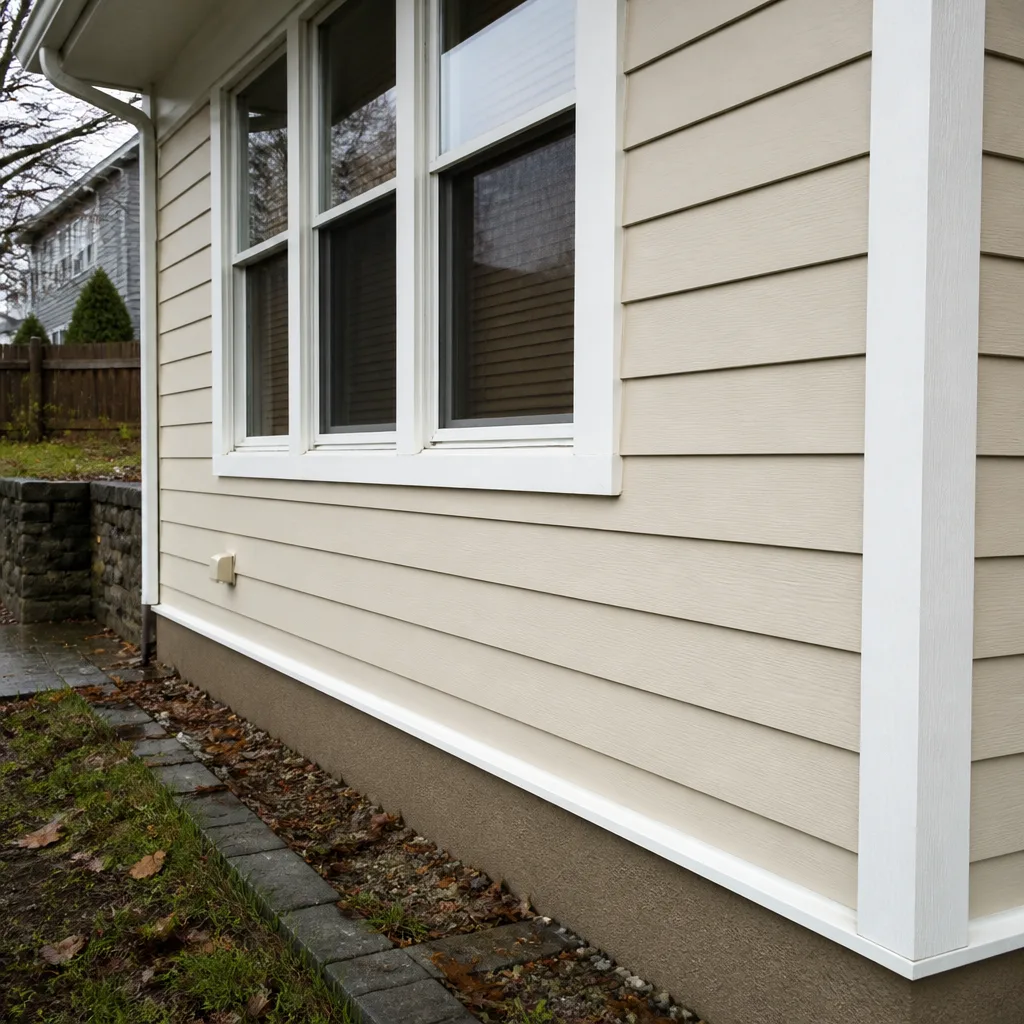 After
AfterPricing for Storm Damage Restoration in Orangeburg, NY
Storm damage restoration pricing in Orangeburg is straightforward. Water extraction and drying for a flooded basement runs $3,500 to $12,000. Roof leak mitigation and interior drying after a shingle blow-off runs $1,800 to $5,500 depending on ceiling and wall involvement. Full garage door replacement after wind damage, including track and opener, runs $1,500 to $4,000 installed depending on wind-rating requirements and panel material. If cast-iron drain repair is required, plan for an additional $3,000 to $8,000 for excavation and replacement. We write the price before any work starts, and it doesn’t change unless you approve a written change order. Call (914) 233-3437 for a free estimate; we walk the whole scope with you.
We Also Serve Cities Near Orangeburg
Our crews handle storm damage across Rockland and southern Westchester counties. Beyond Orangeburg, we regularly respond to Blauvelt, Tarrytown, Hartsdale, and Yonkers, often on the same day the call comes in. If you need Storm Damage Restoration and you’re located near any of these towns, call us directly; dispatch is coordinated from our New York City office with local crews already staged across the region.
Key Takeaways for Orangeburg Homeowners
- Storm water in Orangeburg often comes from below as much as above due to the high water table.
- Homes built before 1980 frequently have cast-iron drain lines under the slab that fail during floods.
- Wind-rated doors and windows are not optional after a nor’easter; replacing with unrated panels invites repeat damage.
- Moisture mapping behind walls and under flooring is mandatory; surface drying alone lets mold start within 48 hours.
- Every Marsh job includes a written price, written guarantee, and the 365-Day Done Right Promise.
Serving Orangeburg, NY - Our Local Coverage Area
We’re based in the Orangeburg area and know this community well. Use the map below to see our service coverage - if you’re nearby, we can almost certainly help.
FAQs About Storm Damage Restoration in Orangeburg
We can’t tell from visual inspection alone, which is why we run a camera scope through the line and perform a hydrostatic test to measure whether the pipe holds water or leaks into the surrounding soil. If the line is cracked, the storm flooding may have revealed a pre-existing failure rather than caused it from scratch. This distinction matters for your insurance claim and for the restoration scope, and we document it with photos and written findings before any remediation begins. Call (914) 233-3437 to schedule an inspection.
Water intrusion into the roof deck and interior walls begins immediately, and in Orangeburg’s humid summer months, mold can form within 48 hours. Ideally, our crew is on site within 24 hours of the damage to tarp the roof, extract standing water from the attic or ceiling, and start drying. If you can’t get a tarp up safely yourself, call us; we mobilize to Orangeburg quickly and handle emergency mitigation before permanent repairs are scheduled.
Yes. A high water table means groundwater continues pressing into the basement from below even after we remove standing water from the floor. We place drying mats and extraction points directly over slab cracks and floor drains to draw moisture from beneath the slab while drying the interior. In Orangeburg, expect drying to take one to three days longer than it would in a town with a lower water table. Our equipment and daily moisture readings account for that.
Category 3 water requires controlled demolition of porous materials like drywall, carpet, and insulation, but non-porous surfaces and some hard flooring can often be cleaned and saved. Injectidry systems are effective for drying cavities behind tile or under cabinetry that would otherwise be demolished, but they cannot make contaminated drywall safe. We apply the exact standard for the water category and don’t oversell what can be saved.
Wind-rating requirements in Orangeburg follow New York State building codes, which specify design wind speeds based on location and exposure. A replacement garage door or entry door after storm damage must meet the same wind-load rating as the original, and in many cases, upgrading to a higher wind-rated door is required if the original was not code-compliant. We verify the requirement with the Town of Orangeburg before ordering materials so your restoration doesn’t fail inspection. Call (914) 233-3437 to have us check your specific situation.
How Marsh Handles Orangeburg’s High Water Table and Cast-Iron Drain Lines
Orangeburg sits on land where the water table sits unusually close to the surface across much of the town. This means when a nor’easter or severe thunderstorm hits, even a minor roof or gutter failure can quickly become a basement flood. Groundwater presses upward through slab cracks and mixes with storm runoff flowing from the surface. What starts as a roof leak becomes a basement flood in under an hour. A local tech who knows this won’t just patch the roof; they’ll check the basement for groundwater intrusion before you even ask.
Last March, our crew responded to a 1960s split-level off Orangeburg Road after a nor’easter tore a section of asphalt shingles loose and sent water streaming into the attached garage and finished basement. Using moisture mapping and a Dri-Eaz dehumidifier along with XPOWER air movers, we contained the category 2 water, dried the garage drywall to pre-loss condition, and discovered that a rusted cast-iron drain line under the slab, common in Dutch Hill homes, had also cracked. That required packing out a section of basement flooring before structural drying could be completed. The homeowner had no clue the drain line was failing until the storm exposed it. That’s the kind of layered damage we expect in Orangeburg and the kind we’re equipped to handle.
The five-step Threshold Standard is how we remove the second fear, the stranger at your door. Every tech is background-checked and identity-verified. You get a name and photo before the visit. They show a photo ID badge at the door. The scope is written before work starts. The guarantee is written when the work is done. It’s printed on the work order, not tucked into fine print.
When storm damage hits Orangeburg, call (914) 233-3437. A live person answers, 24/7. We’ll tell you exactly who’s coming, exactly what we’ll do, and exactly what it costs before we touch your home.
Written by Tobias Reyner, Owner at Marsh Water Damage Yonkers, serving Orangeburg since the company’s founding in 2005.