
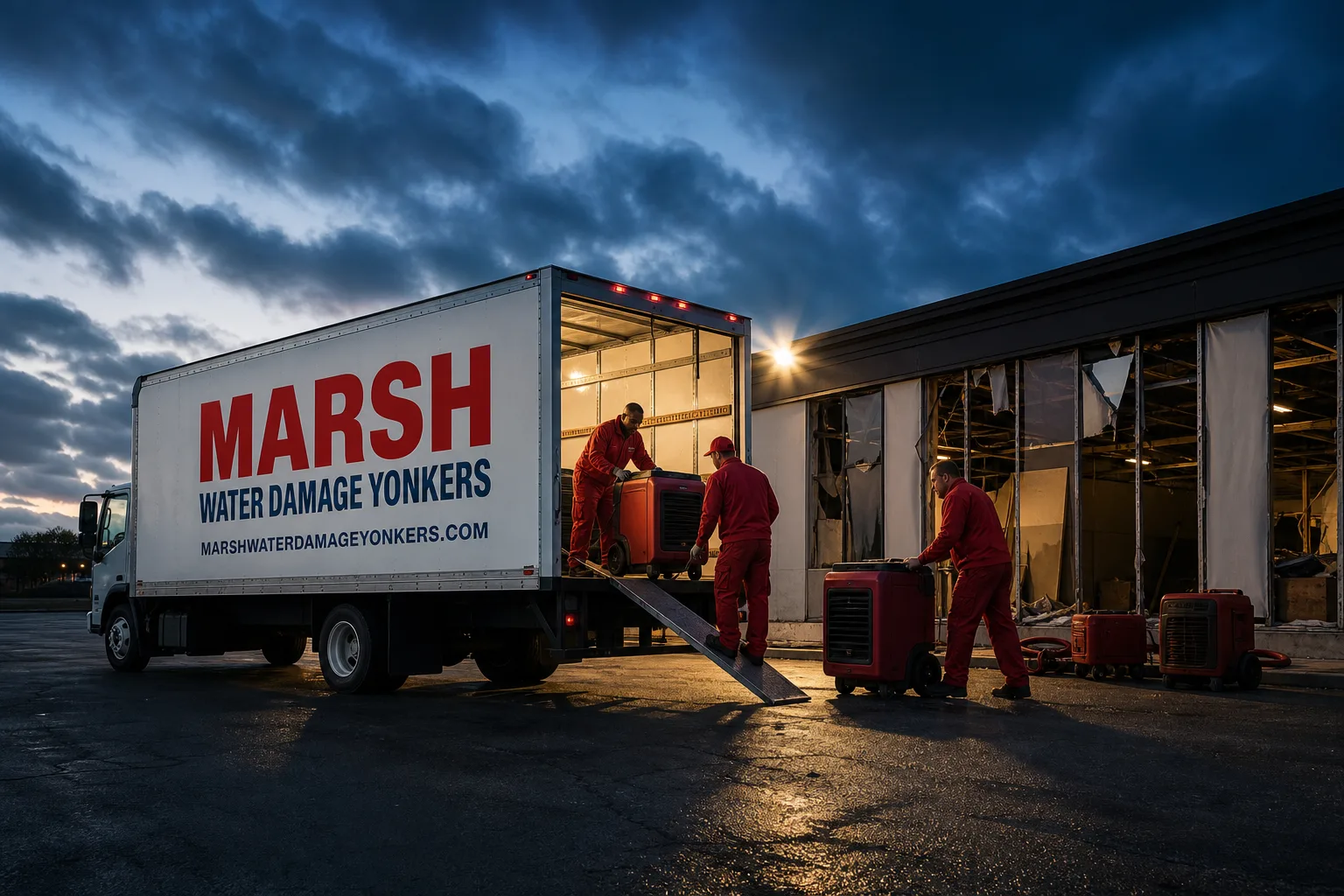
 Mold remediation
 Fire & smoke cleanup
 Storm response
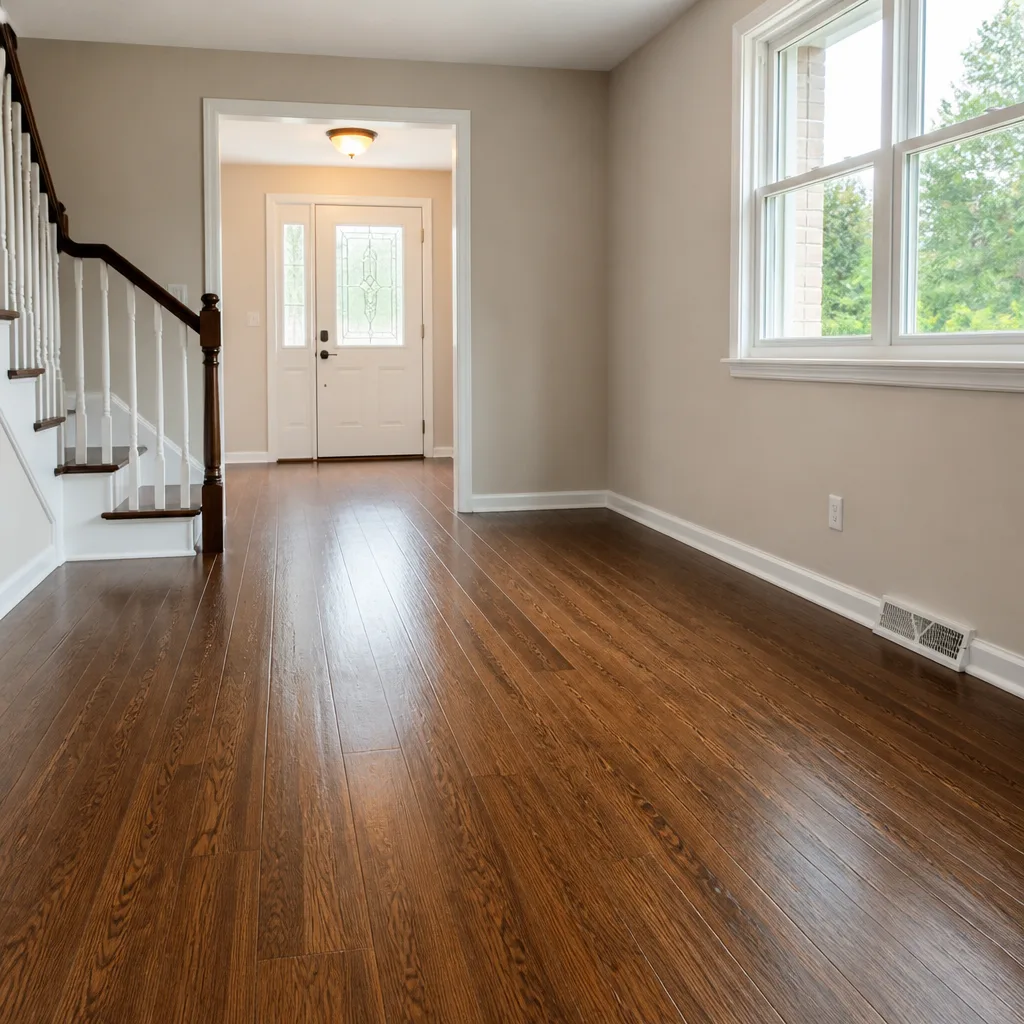 Sewage cleanup
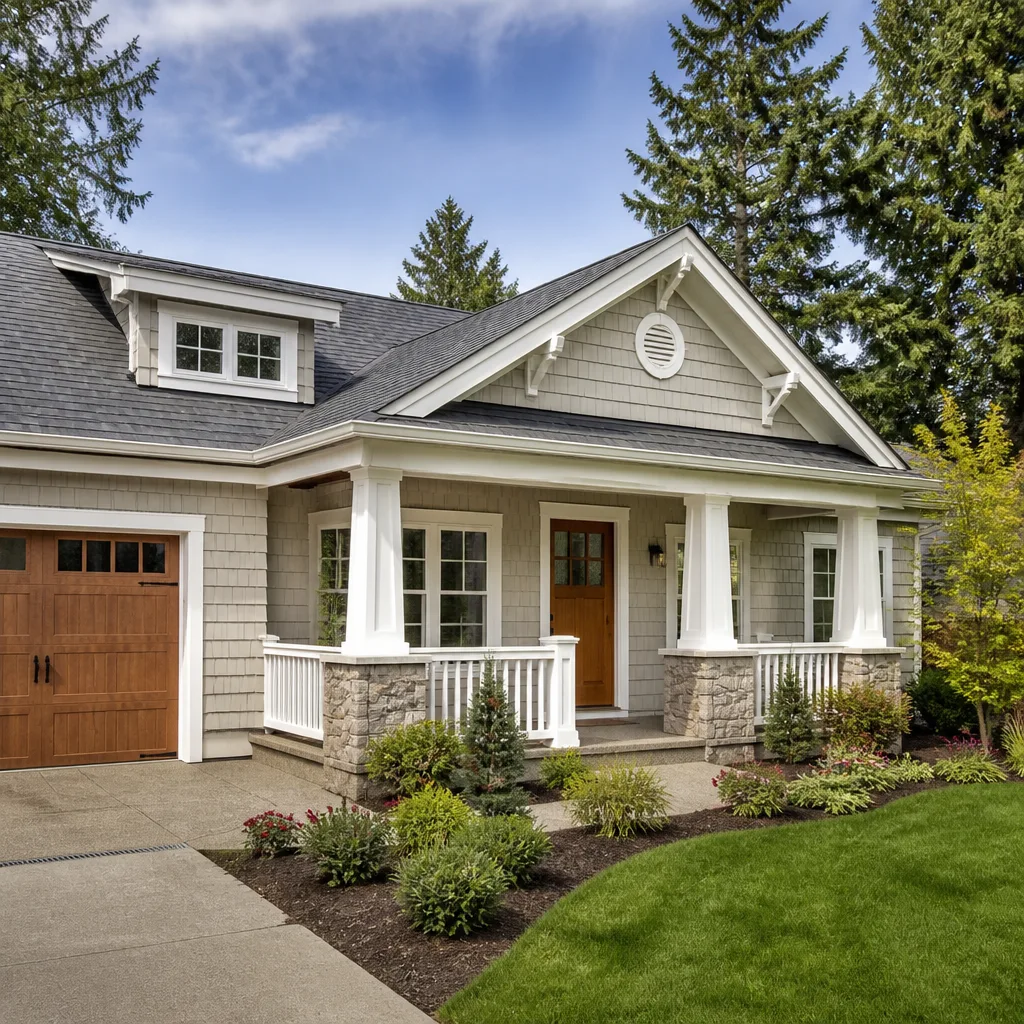 Reconstruction
Free visual inspection and a written scope of work before any mitigation begins - photos, moisture readings, and drying logs go in your claim file
The scope we write is the scope we bill. Anything new gets shown to you, in writing, before we touch it.
Get your free estimateFast, Reliable Mold Remediation Across Washington Heights
Mold remediation in Washington Heights costs between $1,800 and $6,500 for most apartments, with inspection running $350 to $650. When you call (914) 233-3437, a live person answers and schedules a Threshold Verified technician to assess the damage, usually within hours, not days. We know this neighborhood’s pre-war buildings, steam heat, and tight apartment layouts, and we’ll tell you exactly what’s wrong before any work starts.
Washington Heights apartments don’t forgive delays. A steam leak on the sixth floor of a Fort Washington Avenue co-op becomes a mold problem on the fifth, fourth, and third floors faster than most people realize. Our crews work these buildings every week, and we understand the access constraints, the shared wall cavities, and the co-op board dynamics that shape every job here. You get a written price, a written guarantee, and the 365-Day Done Right Promise on every work order we print.
Why Marsh Water Damage Yonkers Is Washington Heights’s Preferred Mold Remediation Company
Since 2005, Marsh Water Damage Restoration has handled Washington Heights Water Damage Restoration and mold losses across the neighborhood. We’re part of the Threshold Group family, and every technician who steps into your building is background-checked, identity-verified, and sent to you by name and photo before the visit. When Tobias Reyner’s crew knocks, the tech shows a photo ID badge. That’s the Threshold Standard, and it’s not optional.
Washington Heights homeowners call us because we understand the building-specific problems here. Original steam risers running through multiple units. Plaster walls that hide moisture for weeks. Narrow pre-war stairwells with no freight elevator. Tight parking on Amsterdam and Broadway. We plan for all of it before we arrive, and we communicate with co-op boards and property managers without making you the middleman. Our Mold Remediation team has worked Washington Heights’s 10033, 10032, and 10040 zip codes long enough to know what a dried-out-but-not-remediated plaster wall looks like two months later.
Response time matters here because mold spreads inside 24 to 48 hours after water intrusion. Calls are answered by a live person 24/7, not a voicemail. We dispatch from the New York City office to Washington Heights, and most inspections happen the same day you call. Every job includes documentation your insurance adjuster can actually use: moisture readings, photo records, and a written scope. You’re not guessing whether the problem is solved. You have proof.
Restoration work we handle
Mold Inspection in Washington Heights
A mold inspection in Washington Heights is how we find out whether you have a cleanup problem or a building problem. In this neighborhood, the answer is often both. Our technicians use moisture meters, thermal imaging, and air sampling to trace mold back to its source, which in pre-war buildings is frequently a leaking steam pipe, a failed radiator valve, or a slow drain line inside a shared wall cavity. Without the inspection, you’re treating symptoms while the source keeps feeding the colony.
Thermal Imaging and Moisture Mapping
We scan walls and ceilings with infrared cameras to find moisture that’s invisible to the eye. In plaster-and-lath construction, which dominates Washington Heights’s housing stock, visual inspection misses most hidden mold. The camera doesn’t. We map the affected area, mark it, and give you a written report showing exactly what we found and where.
Air and Surface Sampling
When mold is suspected but not visible, we collect air samples to measure spore counts and identify the species present. That tells us whether you’re dealing with common household mold or something more aggressive like Stachybotrys (black mold). Sampling in a Washington Heights co-op often includes testing adjacent units if the source is a shared wall. Results come back from the lab with a clear explanation, not a scare tactic.
A mold inspection in Washington Heights typically costs $350 to $650 depending on the size of the unit and the number of samples taken. Call (914) 233-3437 and we’ll give you a firm inspection price before anyone walks in the door.
Mold Removal Specialist in Washington Heights
Mold removal in Washington Heights requires a specialist who understands containment in occupied buildings. When we remove mold from an apartment, we seal the work area with negative air pressure so spores don’t travel through hallways or into neighboring units. In a five-story pre-war building where families live above, below, and beside the affected unit, this is non-negotiable. Our Mold Remediation team sets containment the same day we start.
Containment and Air Filtration
We use HEPA air scrubbers and negative air machines to keep mold spores from spreading during removal. In tight Washington Heights apartments, we configure containment around doors, windows, and any opening that connects to shared space. If you’re living in the unit during remediation, we’ll explain exactly how the airflow works and what you should and shouldn’t do while we work.
Structural Drying and Antimicrobial Treatment
After removing mold-affected materials, we dry the structure using Injectidry panels, Phoenix dehumidifiers, and Dri-Eaz air movers. Psychrometric readings, which measure moisture in the air and building materials, tell us when the space is genuinely dry, not just dry on the surface. Then we apply antimicrobial treatment to prevent regrowth. On Fort Washington Avenue, our crew traced moisture from a sixth-floor steam leak down through four co-op units, sealed the affected areas with containment, used Injectidry panels to dry original plaster and hardwood without demolition, and treated every affected surface before drying logs showed the structure back to pre-loss condition.
Mold removal in Washington Heights runs $1,800 to $6,500 for most apartments. Smaller contained areas start lower; multi-room contamination or crawl space work costs more. You’ll get a written price before any work begins.
Trusted Brands We Service in Washington Heights
Our crews work on the equipment brands common in Washington Heights buildings. We service units tied to RIA and IFA standards, and we deploy Dri-Eaz and Phoenix drying equipment on every water-related mold job. If your co-op has older Dri-Eaz dehumidifiers in the basement or Phoenix air movers staged in a maintenance closet, we can integrate them into the drying plan or replace them with our own equipment. No downtime waiting for parts because we stock consumables and filters on the trucks before we arrive.
See the difference
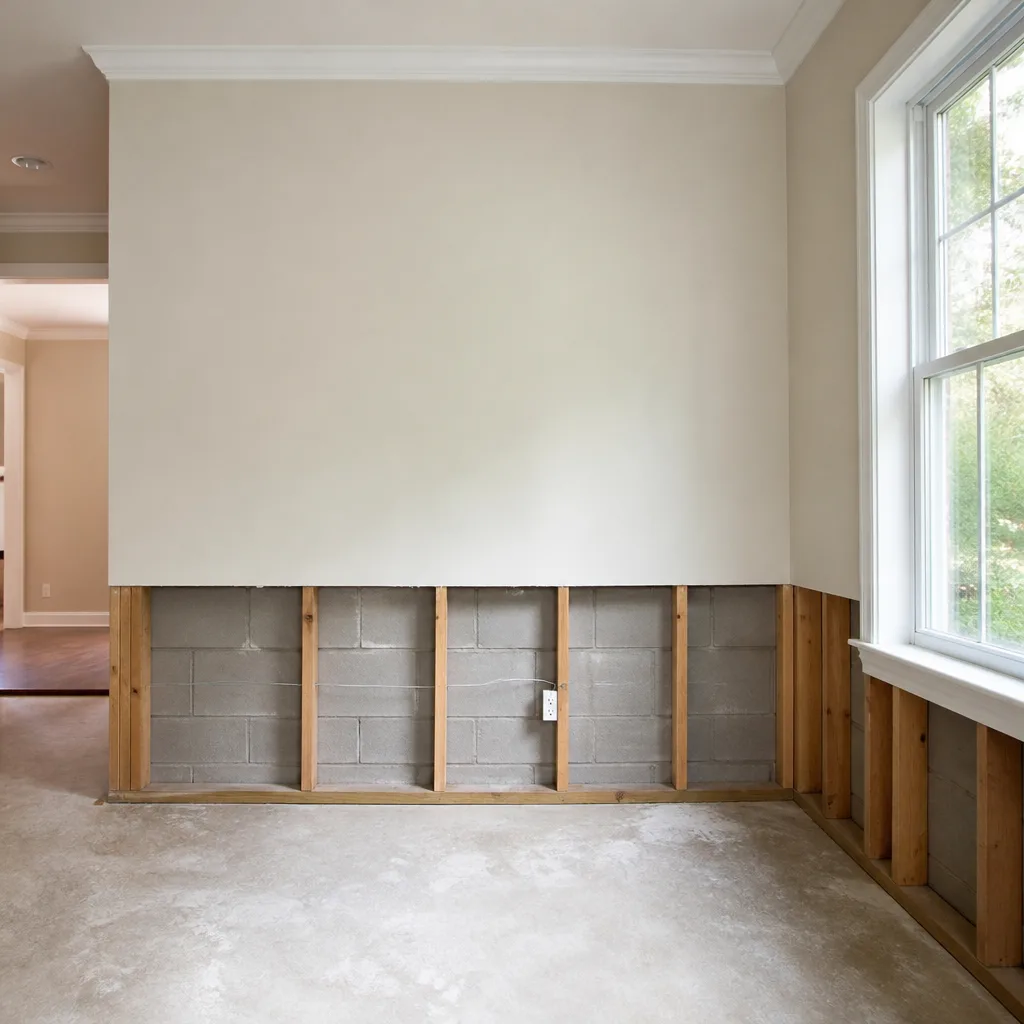
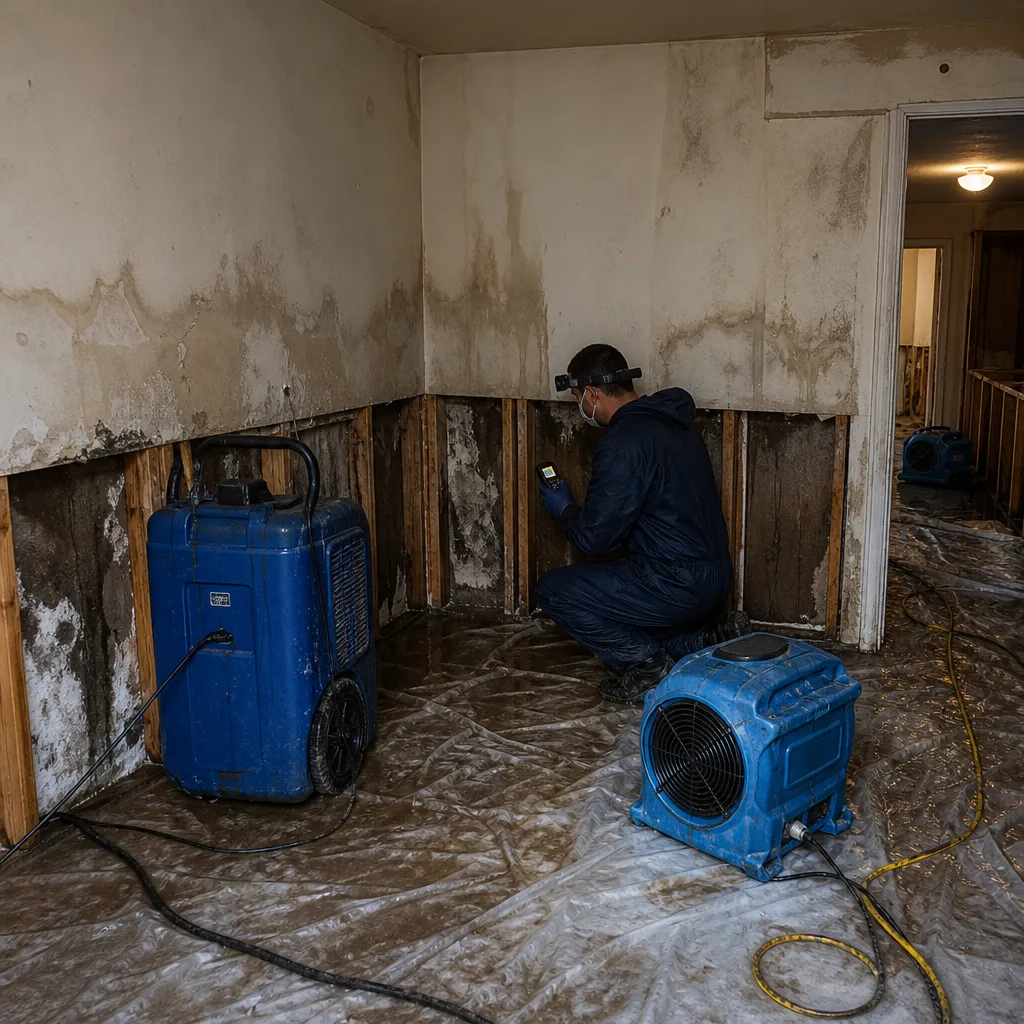 Before
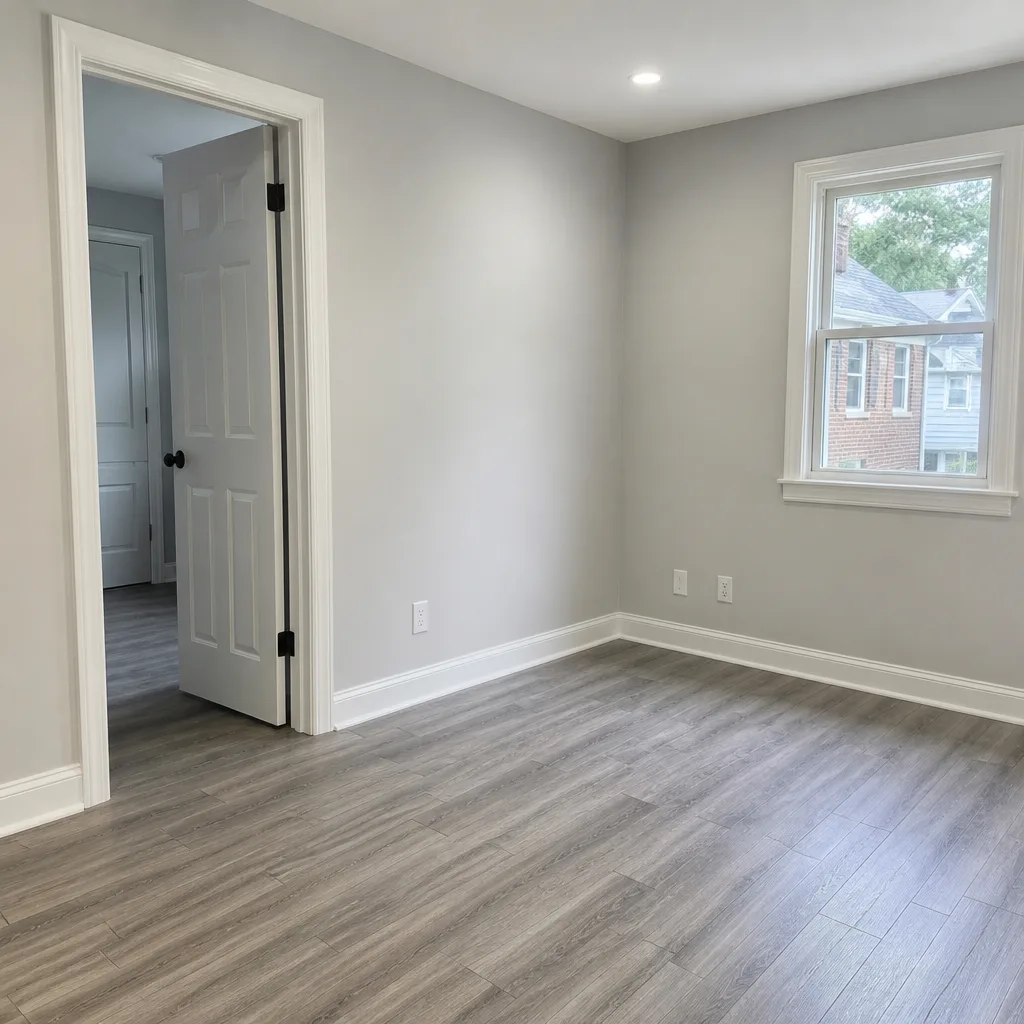 After
After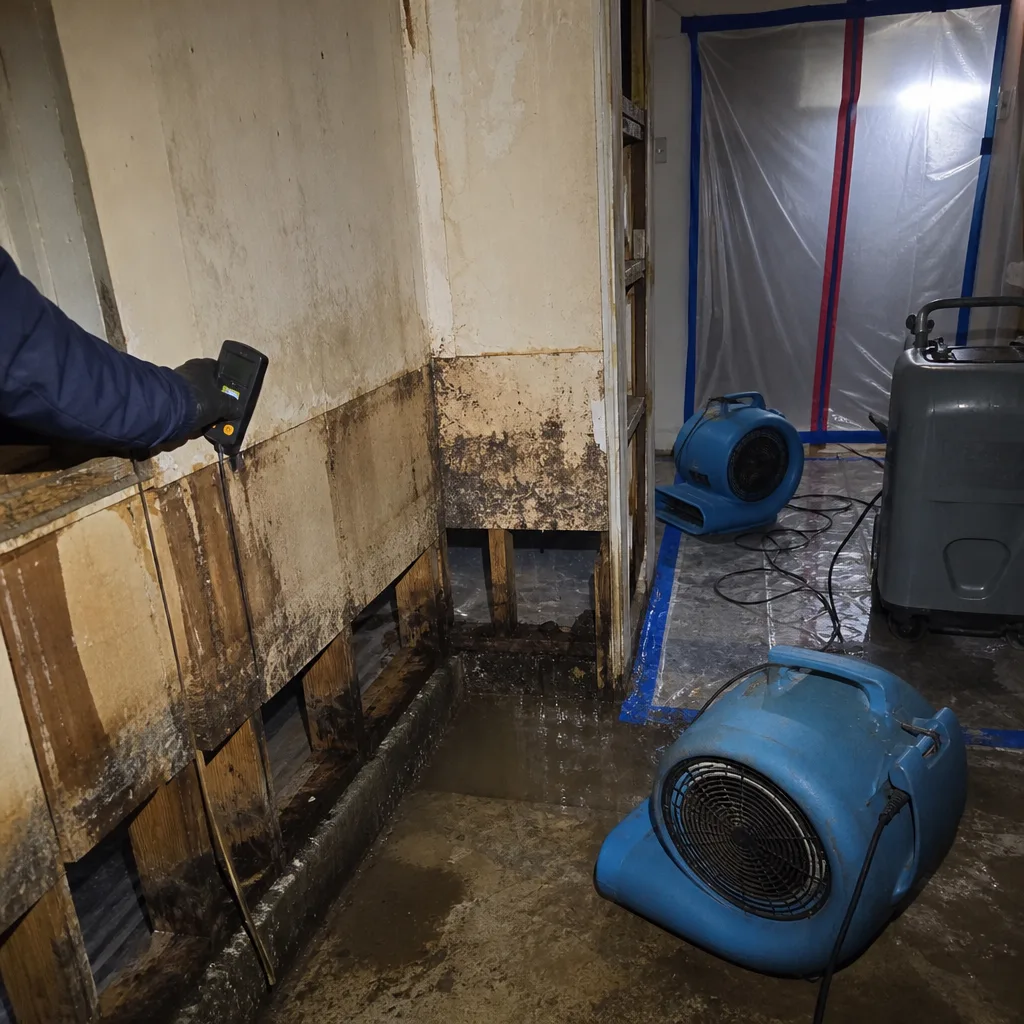 Before
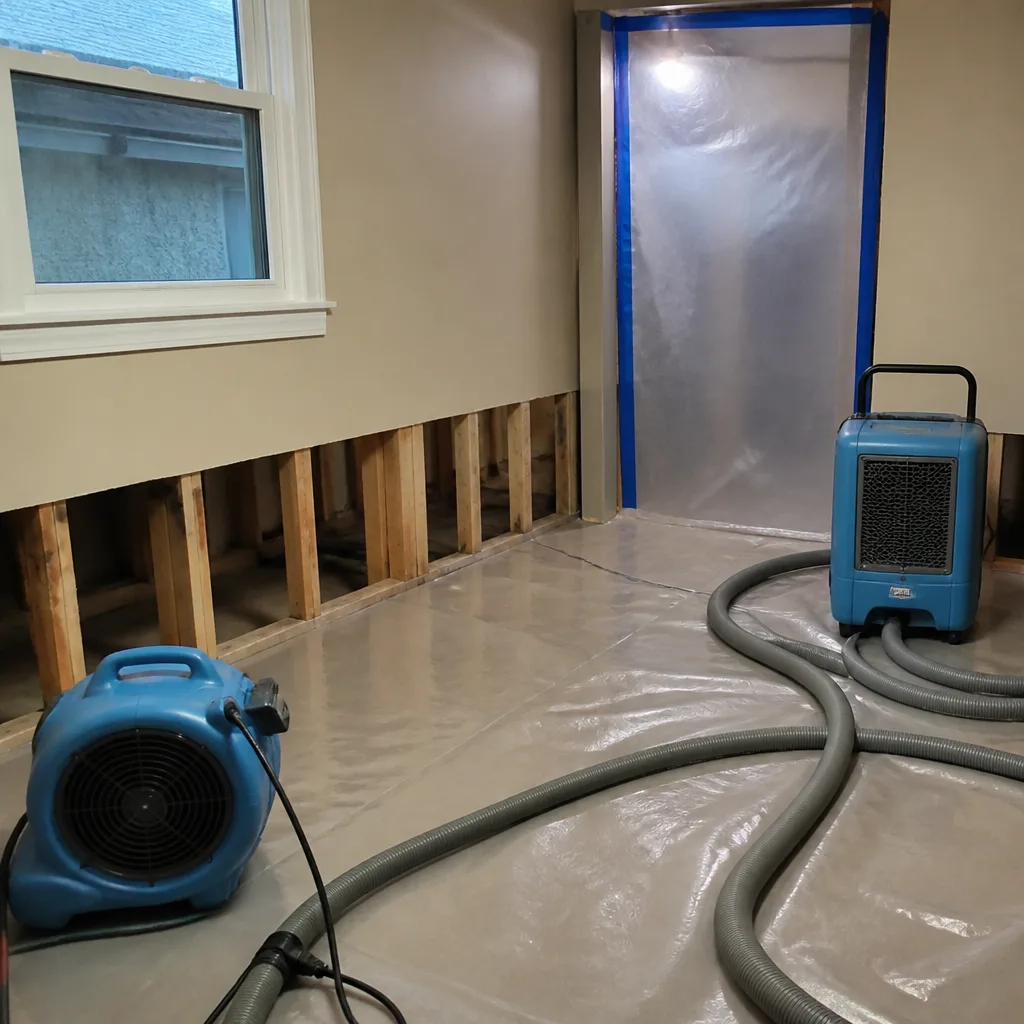 After
After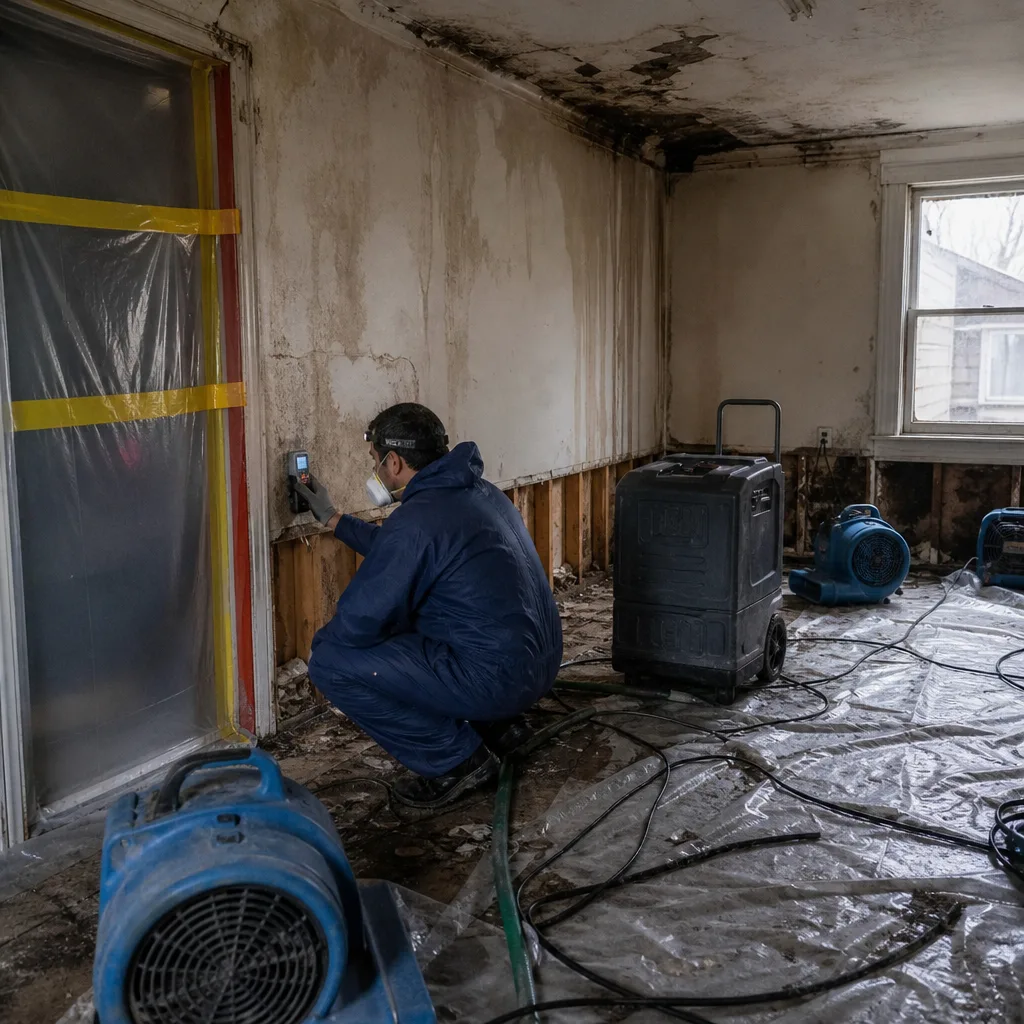 Before
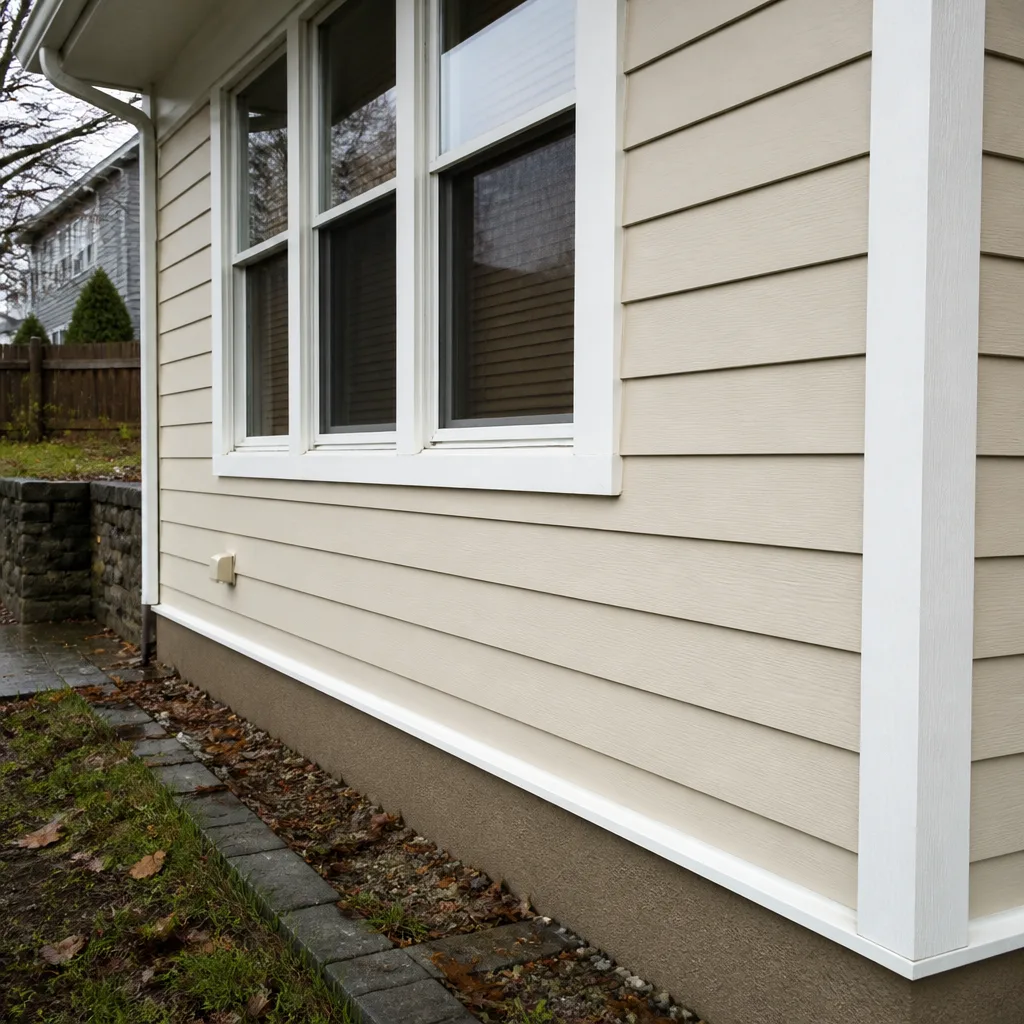 After
AfterCommon Mold Remediation Problems We See in Washington Heights Homes
- Shared wall cavities in pre-war co-ops. A leak in one unit’s wall feeds moisture into the neighboring unit’s wall. By the time one homeowner sees mold, the cavity is often contaminated on both sides. We inspect across the wall line, not just the visible side.
- Air movers without containment. Running fans in a tight apartment without proper sealing blows spores into hallways and adjacent occupied units. In Washington Heights buildings, that can trigger a complaint from the co-op board and spread the problem. We contain first, then dry.
- Delayed pack-out in narrow stairwells. Buildings without freight elevators and with narrow pre-war staircases make it tempting to leave wet belongings in place. Mold colonizes contents within 24 to 48 hours. We pack out quickly and efficiently, even up four flights of stairs.
- Basement flooding from hillside runoff. Washington Heights’s topography and proximity to the Hudson mean heavy rain pushes water into basement-level units and building foundations. The water leaves, but the moisture left behind feeds mold growth for months if not addressed.
Pricing for Mold Remediation in Washington Heights, NY
Here’s what mold remediation costs in Washington Heights, based on the work we regularly perform in the area.
- Mold inspection: $350 to $650
- Mold removal (single room, contained): $1,800 to $3,200
- Mold removal (multi-room or wall cavity involvement): $3,200 to $5,500
- Full remediation with structural drying and antimicrobial treatment: $4,500 to $6,500
- Crawl space mold treatment: $2,200 to $4,800
Larger units, shared-wall contamination, and black mold (Stachybotrys) push toward the higher end. The written scope we give you before work starts breaks down exactly what we’re doing and what it costs. No surprises after demo begins. Call (914) 233-3437 for a free estimate on mold remediation in Washington Heights.
We Also Serve Cities Near Washington Heights
Our crews handle mold remediation across the neighborhoods and cities around Washington Heights, including Yonkers, City Island, Morningside Heights, and Eastchester. If you’re just outside the immediate area, Washington Heights service coverage can often extend to your block, especially for water-related mold emergencies. Call and we’ll confirm dispatch availability.
Serving Washington Heights, NY - Our Local Coverage Area
We’re based in the Washington Heights area and know this community well. Use the map below to see our service coverage - if you’re nearby, we can almost certainly help.
FAQs About Mold Remediation in Washington Heights
The responsibility typically falls to the unit where the source of the leak originates, but co-op bylaws and proprietary lease terms often shift that. When a steam riser fails in the unit above yours, the co-op corporation or the upstairs shareholder generally bears responsibility, but your own walls, flooring, and personal contents are usually your responsibility unless the building’s insurance covers the loss. Document everything with photos before anyone touches anything. We coordinate directly with co-op boards and property managers to establish responsibility and scope, and we’ll provide the moisture readings and damage documentation your lawyer or adjuster needs. Call (914) 233-3437 and we’ll walk you through the first steps.
Yes, plaster walls hold moisture in the lath and interior cavity even after the surface feels dry. Original plaster in pre-war buildings has a sand and horsehair base that absorbs water deeply, and without proper psychrometric readings to confirm the wall is dry throughout, mold can colonize the cavity behind a perfectly dry- looking surface. In our experience with Washington Heights co-ops, visibly dry does not mean structurally dry. We open or drill test holes when readings are ambiguous rather than gamble on a hidden colony.
We pack out affected contents by hand through the stairwells, and we use equipment sized for tight clearances. Our crews regularly carry dehumidifiers, HEPA scrubbers, and drying panels up four and five flights of stairs in Washington Heights walk-ups. We schedule pack-out starting the same day we assess the damage, because mold colonizes belongings within 24 to 48 hours. The equipment comes upstairs, the wet materials come downstairs, and the work gets done without a freight elevator.
In most cases, yes, if the affected area is properly contained with negative air pressure and the rest of the unit is sealed off from the work zone. For large areas or black mold contamination, we may recommend temporary relocation until the air tests come back clear. In occupied Washington Heights buildings, our containment protects neighbors from spore migration, and we can set up the work zone so you can stay in an unaffected part of the apartment. We’ll tell you honestly if staying is the right call.
Within 24 to 48 hours. Mold begins colonizing wet building materials in that window, and in Washington Heights the moisture trapped by dense clay soil and building foundations accelerates the process in basement and ground-level units. Once river water or storm runoff enters a building, porous materials like drywall, plaster, carpet, and wood framing start absorbing moisture immediately. A prompt inspection with moisture mapping catches the problem before it becomes a full remediation job. Call (914) 233-3437 and we’ll get someone to you within hours, not the next business day.
For a free estimate on mold remediation in Washington Heights, call (914) 233-3437. A live person answers. You’ll know exactly who’s coming to your door before they knock, and you’ll get a written price before any work starts. That’s how we’ve done it since 2005, and that’s how we do it in Washington Heights every day.
Written by Tobias Reyner, Owner at Marsh Water Damage Yonkers, serving Washington Heights and the surrounding area since 2005.