
 Fire & smoke cleanup
 Mold remediation
 Storm response
 Sewage cleanup
 Reconstruction
Free visual inspection and a written scope of work before any mitigation begins - photos, moisture readings, and drying logs go in your claim file
The scope we write is the scope we bill. Anything new gets shown to you, in writing, before we touch it.
Get your free estimateFast, Reliable Water Damage Restoration Across Tarrytown
Most residential water extraction jobs in Tarrytown run between $1,800 and $3,400 before drying equipment comes into play, and we typically have a crew on site within 60 to 90 minutes of your call. That matters when a supply line lets go on a Sunday night or a Hudson River storm pushes water through a bulkhead. We know Tarrytown’s streets: the tight turns off Neperan Road, the steep driveways above the river along Sheldon Avenue, and the one-way stretches near Main Street that make route planning something only local dispatch gets right. Call (914) 233-3437 any hour and a live person answers. Not a recording. Tobias Reyner, who leads our restoration team, built Marsh Water Damage Yonkers with this rule: tell homeowners exactly who’s coming to the door, what it will cost in writing, and what happens if the repair doesn’t hold. That’s the whole deal.
Water damage here rarely looks like a textbook case. Hundred-year-old plaster over wood lath, original wide-board heart-pine floors, and plumbing that predates indoor electrical service all change the math. We approach every Tarrytown job as a structural-drying problem first and a construction job second, because in a village full of 19th-century wood-frame homes, aggressive drying is its own form of damage. The goal isn’t just to get things dry fast. It’s to get them dry without delaminating the plaster from its keys or cupping a floor that’s been in place since the Cleveland administration.
Why Marsh Water Damage Yonkers Is Tarrytown’s Preferred Water Damage Restoration Company
Tarrytown homeowners call us for two reasons. First, we respond fast: most Tarrytown addresses get a crew within 90 minutes, including the riverside streets and the hills around Route 9. Second, we’re the only restoration company in the area that prints the name and photo of every technician on the work order before the truck leaves. The Threshold Verified standard means every tech is background-checked, identity-verified, and shows a photo ID badge at your door. For a homeowner who’s often home alone, or who has young kids and doesn’t want unknown faces in the house, that’s the difference between making a call and putting it off.
We hear the same thing from Tarrytown customers again and again: they called us because we told them who was coming. Not just a company name. A person. Tobias Reyner has made this a non-negotiable across every Marsh crew that serves Tarrytown, Hartsdale, and the surrounding villages. The technical work is handled by technicians credentialed through IICRC, RIA, and IFA, running Dri-Eaz and Phoenix equipment, the same gear you’d see on a large commercial loss. But the thing homeowners mention afterward isn’t the drying chamber. It’s that the person who knocked matched the photo on the text.
Restoration work we handle
Water Damage Cleanup in Tarrytown
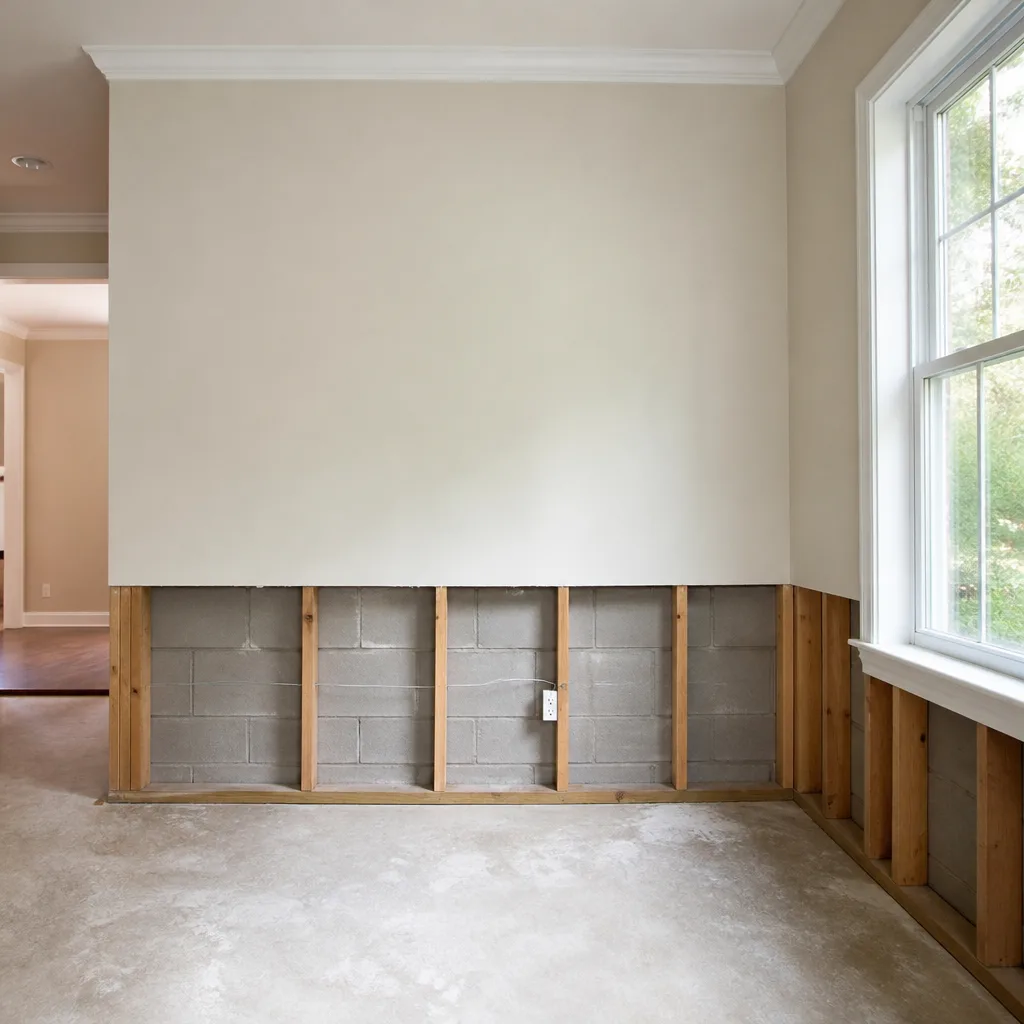
Water Damage Cleanup in Tarrytown means something specific here: extracting standing water, cutting out saturated material only where necessary, and setting up drying conditions that account for the Hudson River’s year-round humidity and the age of the building envelope. In most Tarrytown homes we service, cleanup runs between $1,800 and $2,600 for extraction and initial drying on a single room or basement. A full basement with finished floors or a soaked first floor can push past $4,000 once equipment days and disposal are factored. We give you a written price before any work starts, with line items, not a verbal estimate that grows after demolition begins.
Injection Drying for Legacy Floors
When a century-old heart-pine floor in a Tarrytown Historic District home is saturated, conventional standing dehumidifiers won’t reach water trapped between the boards and the subfloor. We use Injectidry panels to actively pull water from beneath wide-board flooring without pulling the boards up. This preserves original material and avoids replacing floors that only needed drying. Read more about our Water Damage Restoration process and how we decide between salvage and replacement.
Plaster-Safe Drying Chambers
Tarrytown’s older homes don’t have drywall. They have lime plaster over wood lath, sometimes three coats thick, sometimes with original horsehair binder. Fast, hot drying cracks the keys that hold plaster to the lath and causes whole wall sections to let go. We run drying chambers at controlled lower temperatures and track psychrometric readings, which measure both surface moisture and the moisture load in the air, so the wall dries without the plaster releasing.
Emergency Water Damage Restoration in Tarrytown
Emergency Water Damage Restoration in Tarrytown covers what happens in the first 24 to 48 hours: stopping the water, extracting it, stabilizing the building, and starting mitigation so mold doesn’t get a foothold in the river-humid air. A burst galvanized supply line in a Grove Street home or a sump pump failure during a spring cloudburst on North Broadway both count as emergencies. Most emergency extractions in Tarrytown run $1,900 to $3,400 before drying equipment is staged, depending on how much floor and wall has been affected.
First-Hour Priorities
The first hour determines whether a flooded 1900s basement is a three-day drying job or a three-week reconstruction. We locate the source, shut down affected circuits safely, extract standing water, and move furniture and contents out of the water path. Every action is documented with photographs from the first arriving technician onward, which matters when you’re filing with a homeowner’s carrier.
Photo-Logged Mitigation
Your adjuster wasn’t at your house when the pipe burst. Photos tell that story. Every Marsh tech captures time-stamped images of the loss site before, during, and after extraction, mapping moisture readings to the visual record. This gives your insurer an evidence trail they can act on without multiple site visits and gives you a clean record if anything is questioned later. It’s a standard part of how we work in Tarrytown, not an add-on.
Trusted Brands We Service in Tarrytown
Tarrytown homeowners are loyal to their fixtures, and we service the brands they’ve lived with for decades. Whether it’s a Kohler or American Standard supply line that failed, a Weil-McLain boiler that flooded a basement, or a sump system from Zoeller that couldn’t keep up with storm runoff, we know the equipment. We stock common replacement valves, fittings, and supply lines on the trucks so a simple stop-valve failure doesn’t become a two-day wait for parts. Our crews run Dri-Eaz and Phoenix drying equipment on every Tarrytown job, matching what the biggest national franchises deploy. The difference: you’ll see the name and face of the person operating that equipment before the truck pulls up.
See the difference
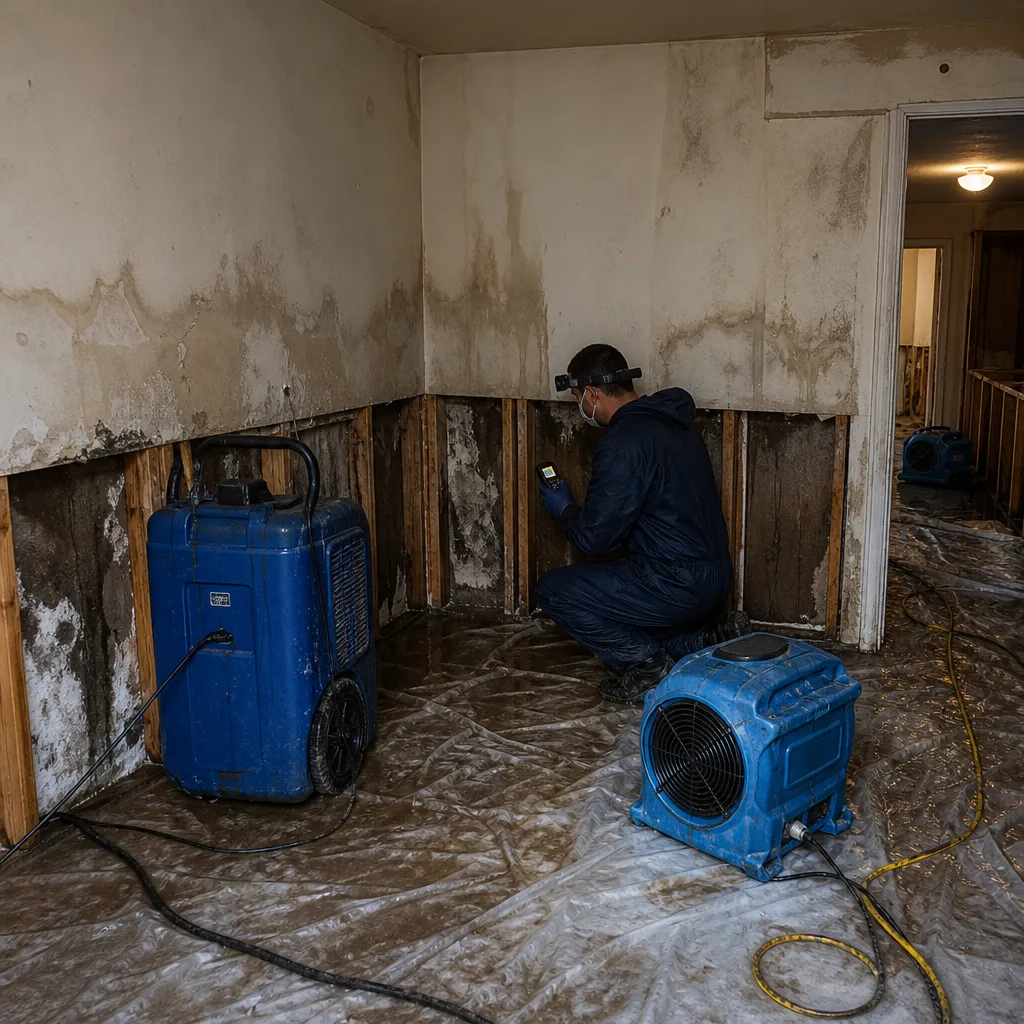 Before
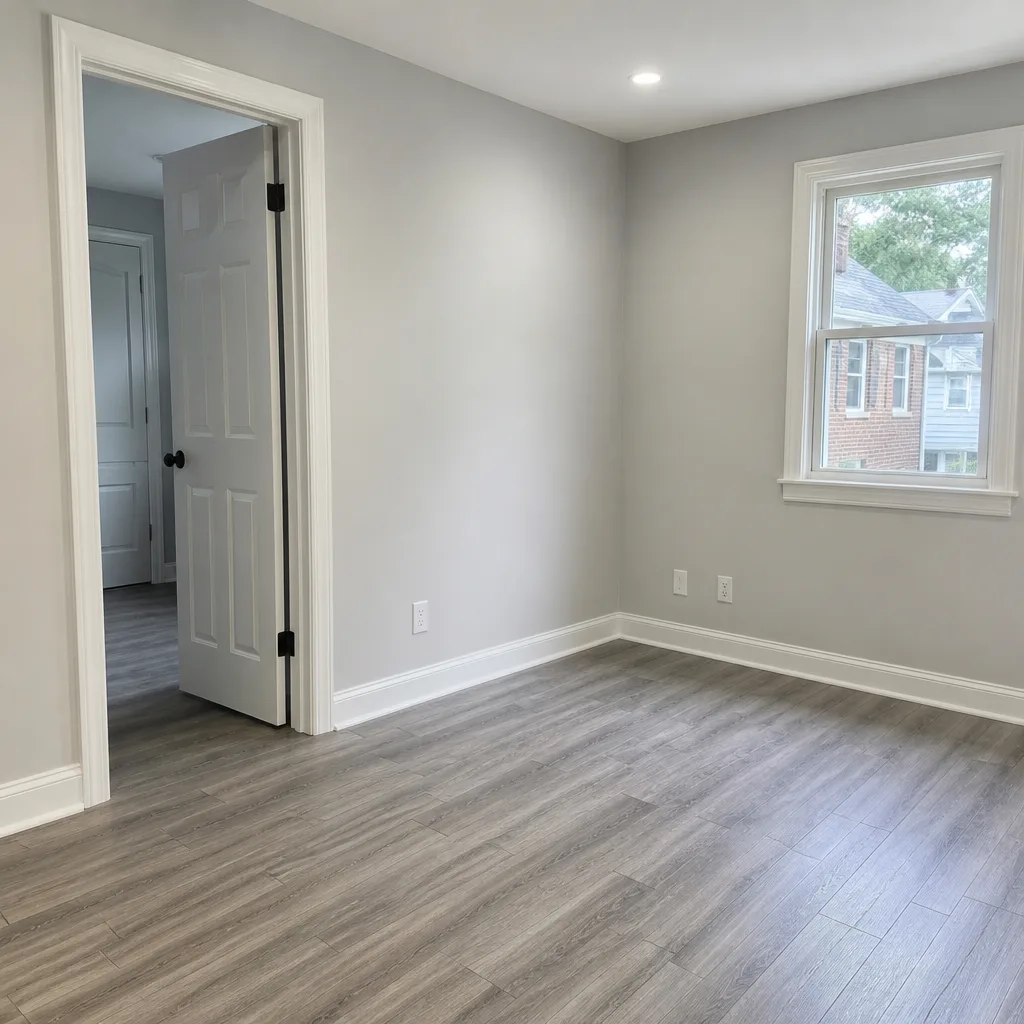 After
After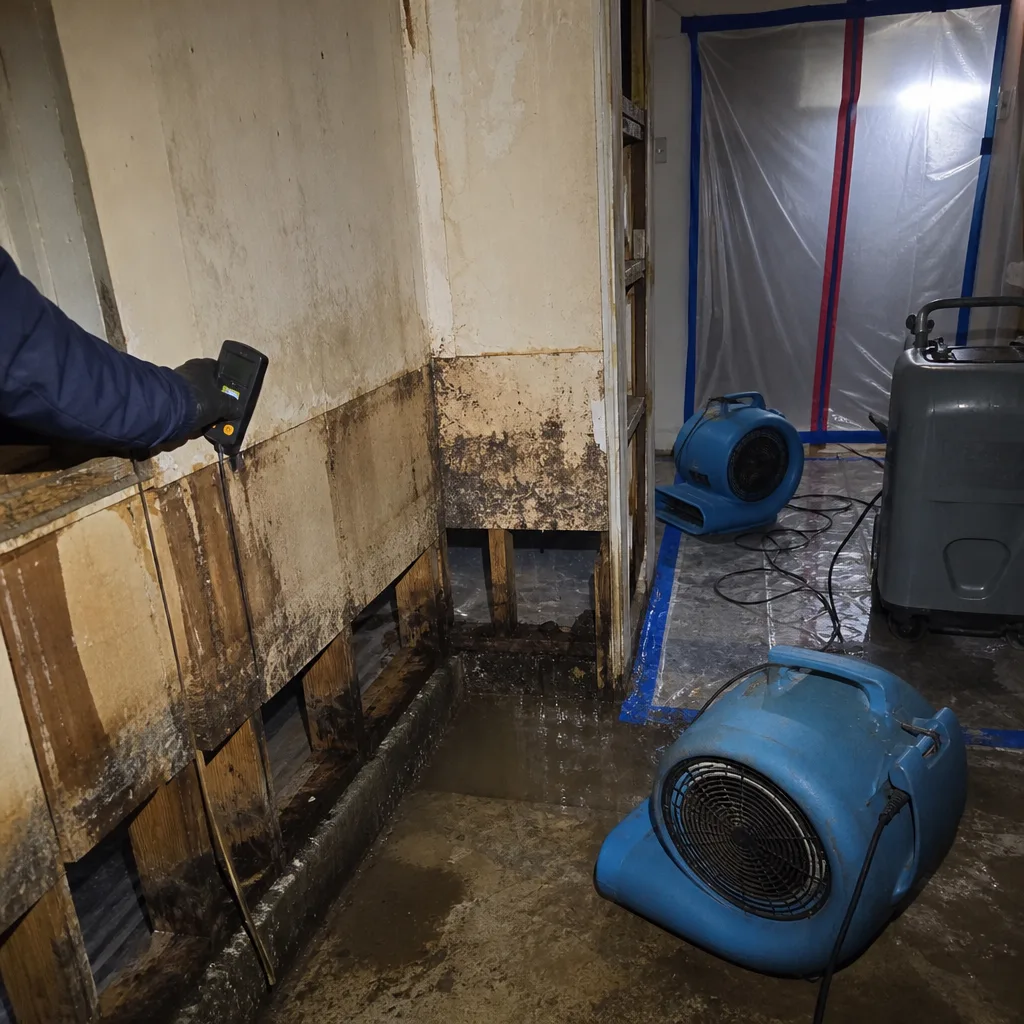 Before
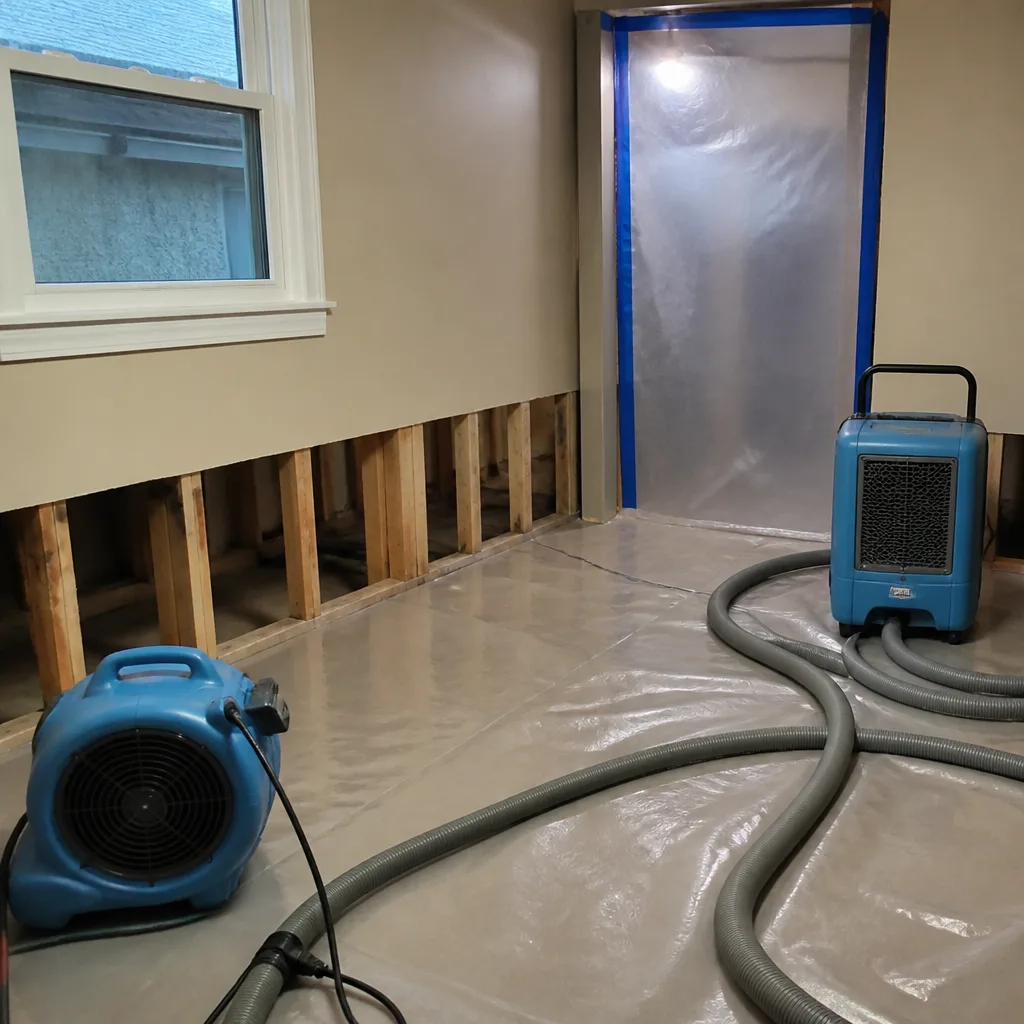 After
After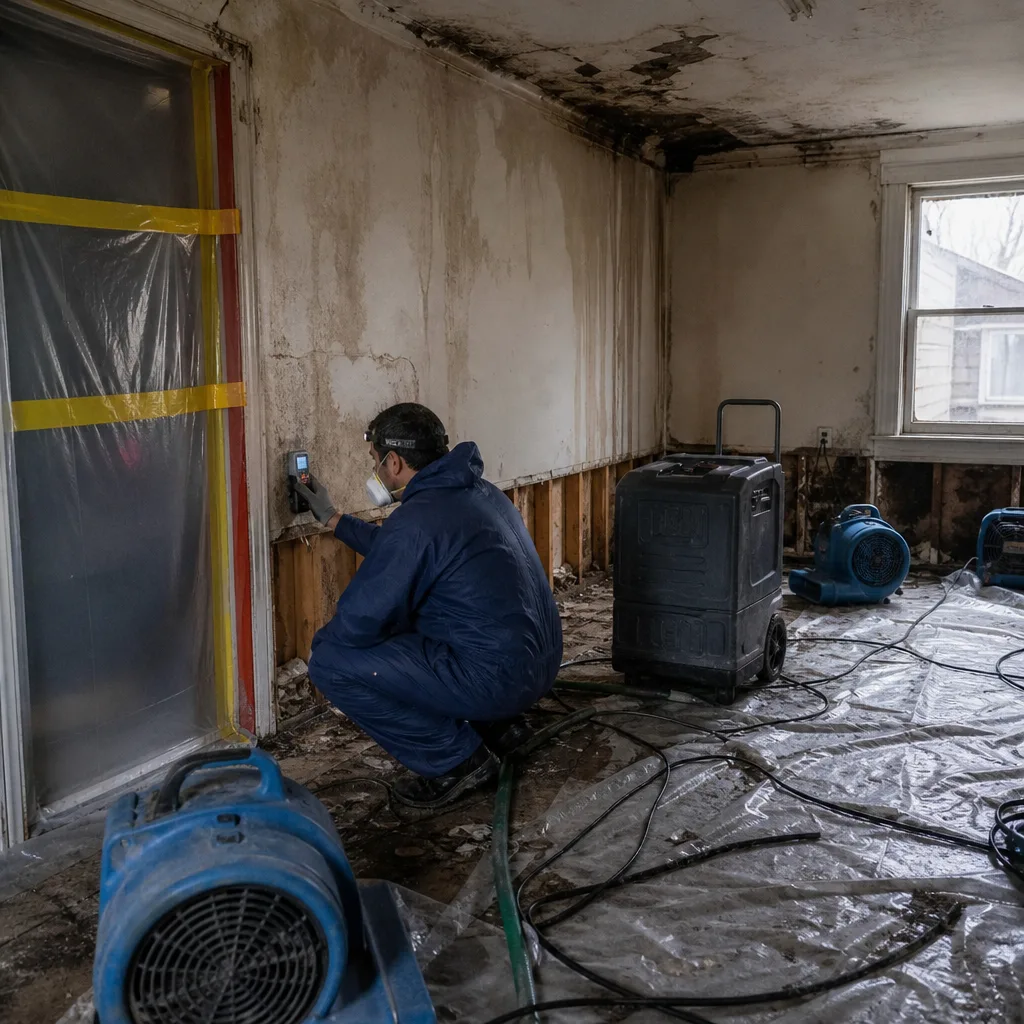 Before
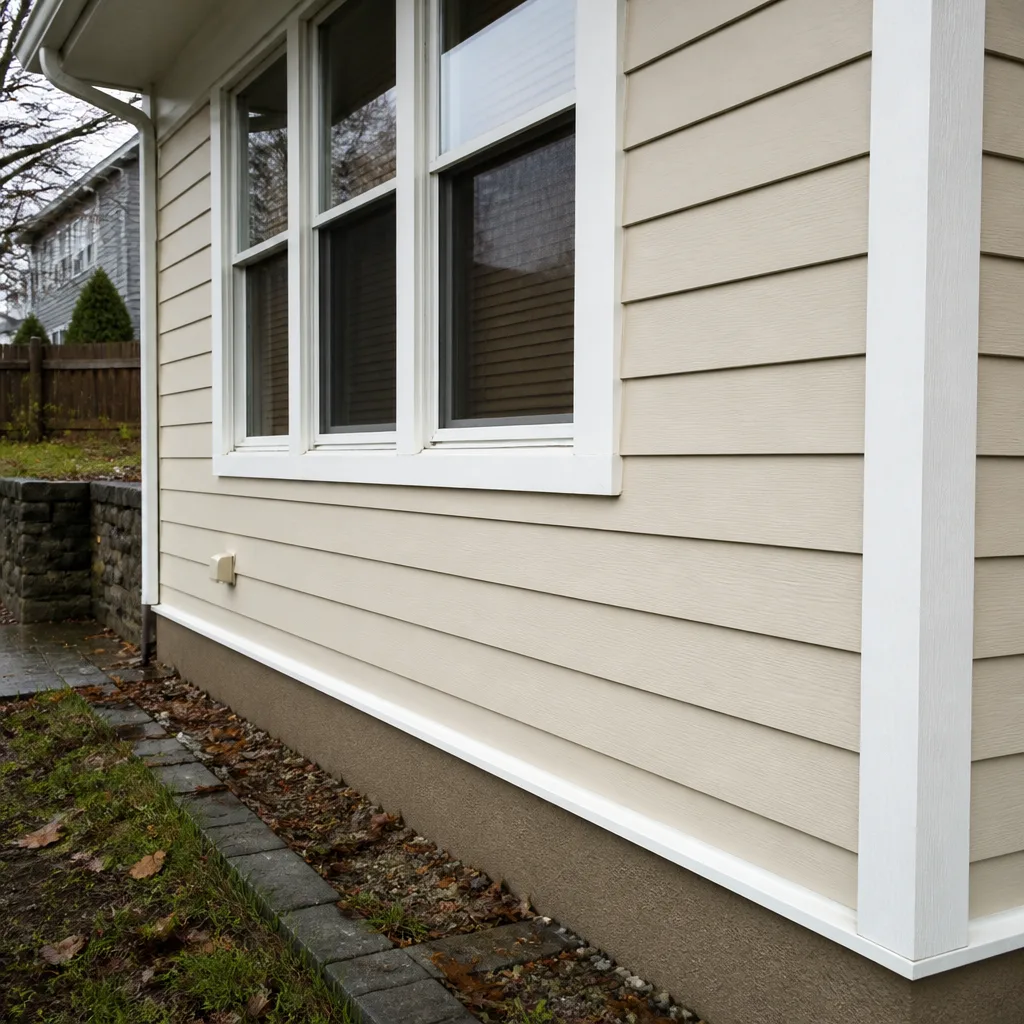 After
AfterCommon Water Damage Restoration Problems We See in Tarrytown Homes
- Overdried plaster that delaminates from lath: Aggressive dehumidification pulls moisture from the plaster faster than from the underlying wood lath, breaking the keys and dropping walls. In a Tarrytown home this is often worse than the original water damage.
- Galvanized and lead supply lines that fail under pressure: Many Tarrytown houses still carry plumbing installed before 1950. These pipes burst differently than modern PEX or copper and often require water-category testing because the line may have been deteriorating internally for years before failure.
- Sloped lots pushing surface water back into basements: Streets like Overlook Road and the hillsides west of Broadway drain toward lower homes. After extraction, surface runoff can re-enter through fieldstone foundations if grading and gutter discharge aren’t checked.
- Original hardwood floors cupping after basement flooding: Wide-board floors in historic homes respond to moisture changes dramatically. Spring thaws and sudden downpours in the Sleepy Hollow region push basement humidity up, and floors begin to cup within days if the air isn’t stabilized.
Pricing for Water Damage Restoration in Tarrytown, NY
We Also Serve Cities Near Tarrytown
Our crews regularly run to Hartsdale, Blauvelt, Orangeburg, and Scarsdale from our Tarrytown-area dispatch. If you’re in any of these villages, the same team, equipment, and Threshold Verified standard apply. Learn more about our presence across the region on our Water Damage Restoration in Tarrytown page or call us directly.
Serving Tarrytown, NY - Our Local Coverage Area
We’re based in the Tarrytown area and know this community well. Use the map below to see our service coverage - if you’re nearby, we can almost certainly help.
FAQs About Water Damage Restoration in Tarrytown
How does Tarrytown’s Historic District affect my water damage restoration claim?
Living in the Tarrytown Historic District means any repair that changes original material may need review by the village’s Historic Preservation Commission. That typically means plaster must be repaired with matching lime-based material, wood species must match original flooring, and door or window profiles must be preserved. This affects both scope and cost. We document everything with photos and measurements from the first hour so your insurance claim reflects what preservation-compliant restoration actually costs, not what a standard drywall replacement would cost. Call (914) 233-3437 if you’re dealing with a loss in a historic home and need an advocate who understands the rules.
What’s the biggest mistake people make right after a burst pipe in a Tarrytown older home?
They crank up every available fan and portable heater to dry it out fast. On a modern drywall-and-plywood house, that approach is tolerable. In a 19th-century Tarrytown home with lime plaster over lath, it’s how you lose entire wall surfaces. Fast, hot drying breaks the keys holding plaster to the lath and forces moisture deeper into the wood. The right move is to shut off the water, stop the source, photograph everything, and call a restorer who dries incrementally with monitoring. The wrong move costs more than the original leak.
Can you really save 100-year-old hardwood floors after a basement flood in Tarrytown?
Often, yes. The deciding factors are how long the water sat, whether it’s face-nailed wide-board flooring versus strip oak, and how quickly drying starts. We’ve saved original heart-pine floors in Grove Street homes using Injectidry panels to pull water out from beneath the boards while the floor stays in place. If the boards have already cupped significantly or the subfloor has rotted, salvage may be partial. We’ll tell you straight which direction your floor is headed and what salvage versus replacement costs before any work begins.
Do I need to leave my Tarrytown home during water damage restoration?
For most single-room jobs, no. You can stay in the house while we dry it, with a few practical adjustments: the drying chamber will be sealed in poly, dehumidifiers run continuously, and you’ll need to keep doors closed. For a whole-level flood, especially with a finished basement that’s been saturated or possible sewage contact, we may recommend relocating for 3 to 5 days until sanitization and initial drying are complete. If that’s the case, your insurer generally covers reasonable additional living expense, and we’ll document the conditions that justify it.
How do contractors handle plaster walls in Tarrytown homes when they get wet?
The short answer: we dry them slowly and carefully, with psychrometric monitoring at check points inside the wall cavity whenever possible. The longer answer: the goal isn’t just surface dryness, it’s moisture equilibrium between the plaster, the lath, and the framing behind it. When plaster gets wet in a Tarrytown home, we first determine whether water wicked down from a ceiling or pooled at the base. Base-wicking means we may remove a strip of plaster at the bottom to stop continuing capillary draw. Oversaturation of the full wall usually means replastering with a matching lime mix if the keys fail. We’ve done this work in enough Historic District homes to know when a wall can be saved and when it’s already lost.
—
If water is spreading through your Tarrytown home right now, call (914) 233-3437. We answer live, 24 hours a day, and we’ll have a named technician at your door with a written price in hand. If you want to understand your options before water becomes an emergency, the call is free and the estimate costs you nothing.
Written by Tobias Reyner, Owner at Marsh Water Damage Yonkers, serving Tarrytown with water damage restoration, structural drying, and historic-home mitigation since 2005.