
 Storm response
 Fire & smoke cleanup
 Mold remediation
 Sewage cleanup
 Reconstruction
Free visual inspection and a written scope of work before any mitigation begins - photos, moisture readings, and drying logs go in your claim file
The scope we write is the scope we bill. Anything new gets shown to you, in writing, before we touch it.
Get your free estimateFast, Reliable Storm Damage Restoration Across Tuckahoe
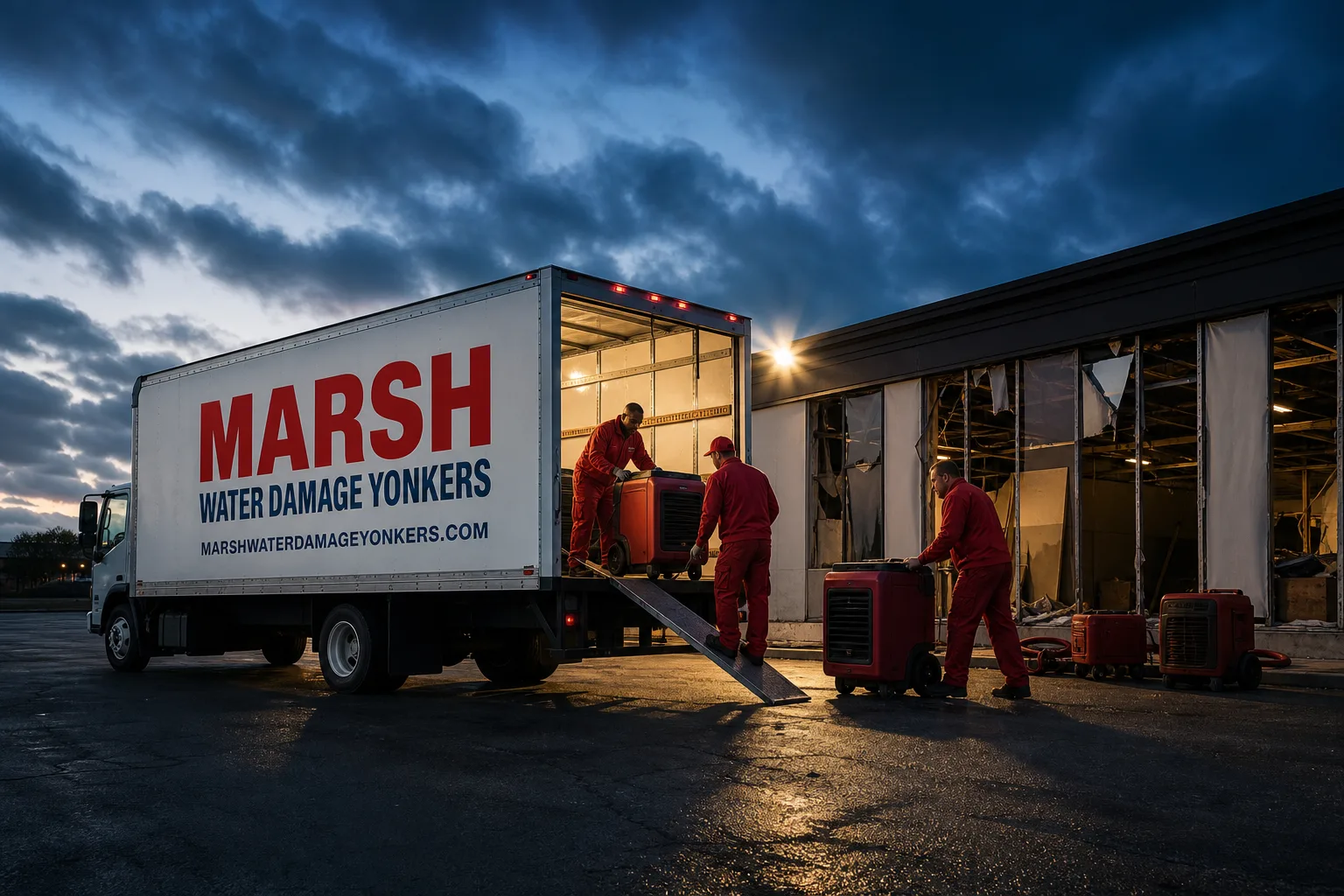
Storm damage in Tuckahoe moves fast, and so do we. When a nor’easter rips through Westchester or a summer thunderstorm turns the Bronx River into a problem, Marsh Water Damage Yonkers gets a crew to your door, usually within 60 to 90 minutes. We know this village well: the stone foundations on Lake Avenue, the attached duplexes near Main Street, the hillside homes on the east side that catch runoff from Crestwood down to the river. If water is in your basement right now, call (914) 233-3437. A live person answers, day or night, and we’ll tell you exactly who is coming before the knock.
Most storm-related water extraction in Tuckahoe runs between $1,800 and $3,400 before drying equipment is set. That number depends on how much water entered, whether it’s category 1 (clean) or category 3 (river water, sewage, or storm runoff), and how far it wicked into plaster-and-lath walls. We give you a written price before any work starts. No surprises after demolition begins. That’s how we’ve operated since 2005, and it’s why Storm Damage Restoration work in this village keeps coming back to us.
Why Marsh Water Damage Yonkers Is Tuckahoe’s Preferred Storm Damage Restoration Company
Tobias Reyner leads our technical team, and he’s the one who sets the standard for how we show up in Tuckahoe. Every technician we dispatch is background-checked, identity-verified, and sent to you by name and photo before the visit. When the van pulls up, the tech at your door shows a photo ID badge. No exceptions. For homeowners in Tuckahoe who are often alone, juggling kids, or simply don’t want a stranger in the house, that matters more than any piece of drying equipment.
Our crews know this village’s housing stock. We’ve worked in Tudors and colonials along the Bronx River, in duplexes off Columbus Avenue where a shared wall can double the damage, and in hillside walk-outs near the Crestwood station. That local familiarity means we bring the right containment plan from the first visit, not a generic playbook. We also coordinate directly with your insurance adjuster when you want us to, with photo documentation at every stage so the claim moves without you becoming the middleman.
Every job gets three things in writing before we start: the price, the guarantee, and the name of the technician who will be doing the work. That written guarantee is the 365-Day Done Right Promise. If the repair is not right within a full year, we make it right. A free second visit is included automatically. It’s printed on the work order, not offered as a courtesy.
Restoration work we handle
Flood Restoration in Tuckahoe
Flood Restoration in Tuckahoe is rarely a simple mop-and-fan job because of the way this village was built and where it sits. The east side climbs away from the Bronx River, and when heavy rain hits, runoff and river silt pour into walk-out basements that older sump systems can’t always handle. What starts as standing water is often category 3 by the time we arrive: mixed with silt, organic material, and whatever the storm pushed through the neighborhood’s aging storm drains.
Typical flood restoration in Tuckahoe runs $2,200 to $5,800 depending on how much water entered, how far it migrated, and what materials it touched. Homes with original plaster-and-lath walls cost more to dry correctly than drywall interiors, because moisture hides behind the brown coat and lathe and won’t show on the surface. We use moisture mapping and psychrometric readings (measuring the air’s moisture content, not just the wall’s surface) to confirm the structure is genuinely dry before we call it done.
Containment and Category 3 Water
In Tuckahoe’s attached duplexes, category 3 water doesn’t respect the property line. We set containment with negative air pressure before we ever start extraction, so contaminated air and blown silt don’t push into the neighbor’s side of the shared wall. Skipping this step is the most common mistake we see from less experienced crews, and it’s also how a one-unit flood becomes a two-unit mold claim.
Structural Drying for Plaster and Stone
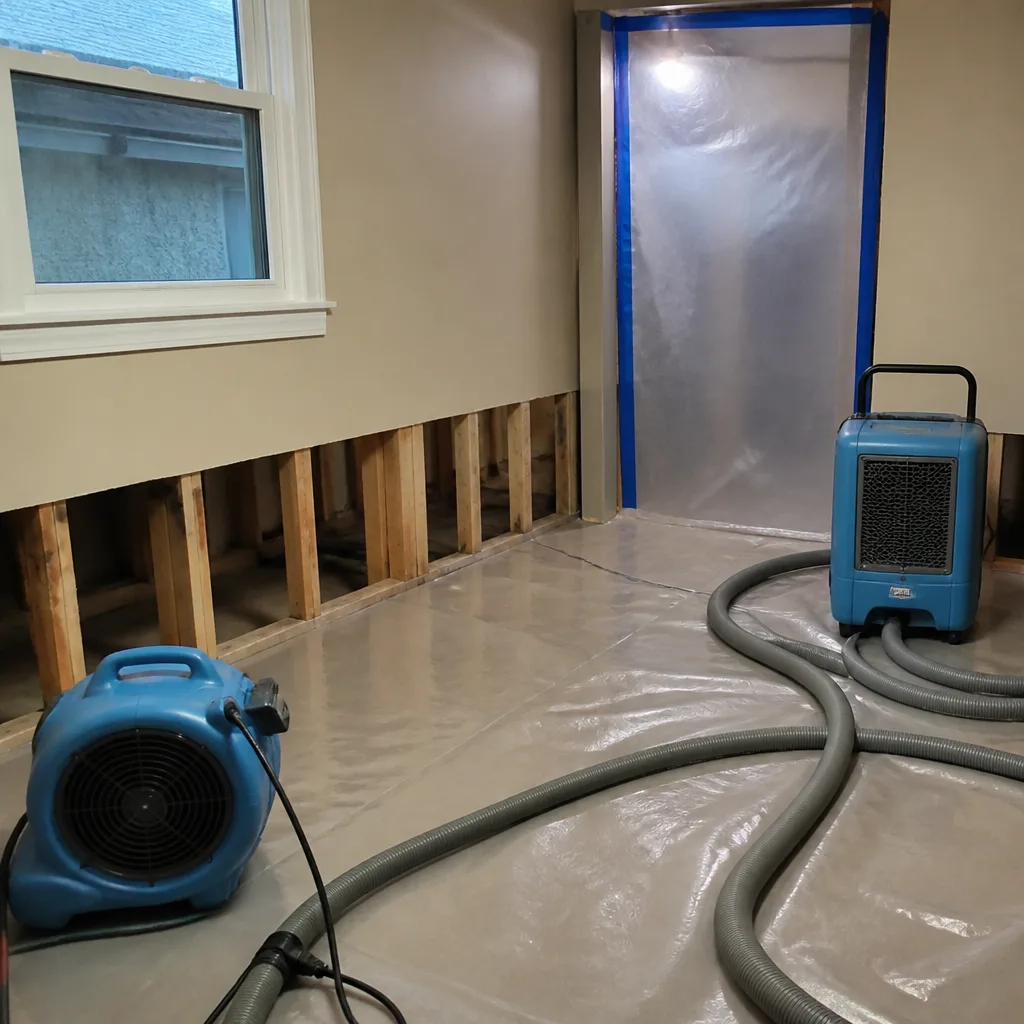
Older Tuckahoe homes often have stone foundations that wick groundwater long after the storm has passed. We don’t just dry the visible water; we dry the materials the water touched and the materials touching those materials. Dri-Eaz dehumidifiers and Phoenix air movers run until the moisture readings say the framing, the plaster, and the subfloor are stable.
Basement Flood Cleanup in Tuckahoe
Basement Flood Cleanup in Tuckahoe usually starts with the same phone call: “There’s water in the basement, and I don’t know where it came from.” We know the likely answers here. Sometimes it’s a storm drain that backed up on Main Street. Sometimes it’s a hillside walk-out basement filling with river silt from the east side. Sometimes it’s a century-old iron supply line that finally failed inside a stone foundation wall.
Cleanup costs for a typical Tuckahoe basement flood run $1,800 to $4,200, which includes extraction, contaminated material removal where needed, antimicrobial treatment, and the drying phase. The biggest variable is whether water got into the walls. In homes with plaster and lath, a shallow flood cut that looks dry on the surface can be hiding water behind the baseboard, and mold starts within 48 hours if we don’t find it. We don’t guess. We measure.
Removing Silt and Mud Lines
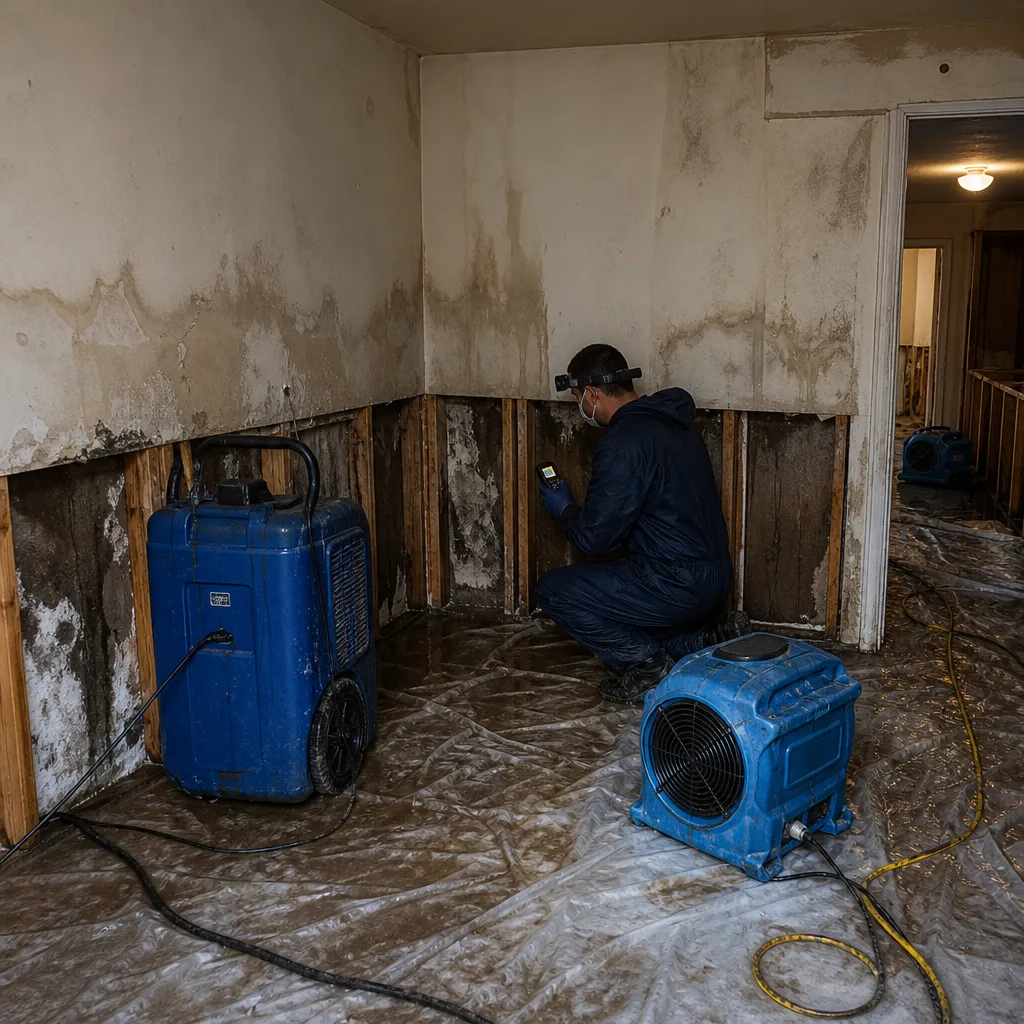
East-side homeowners know the telltale mud line on the basement wall after a heavy rain. That line is Bronx River silt, and it contains more than dirt. We remove it as contaminated material, treat the wall, and dry what’s behind it. A quick power wash that leaves the line faded but not gone isn’t cleanup. It’s postponement.
When Settlement Cracks Let Water Back In
Stone foundations on Tuckahoe’s older homes settle over decades, and storm pressure pushes groundwater through cracks that weren’t visible a week before. If we extract the water and dry the floor but ignore the crack, the basement floods again with the next storm. Our crews identify weeping cracks during the initial assessment and flag them for repair before drying even starts.
Common Storm Damage Restoration Problems We See in Tuckahoe Homes
- Water hide in plaster-and-lath walls. Tuckahoe’s pre-war homes have walls that absorb water differently than modern drywall. Moisture sinks into the lime plaster and lathe, and a surface reading can miss it entirely. We use moisture mapping to find what a visual inspection can’t.
- River silt in walk-out basements. Homes built into the east-side hillside catch runoff that carries Bronx River silt into basement spaces. That’s category 3 water, and it needs more than extraction; it needs containment, treatment, and verification.
- Shared walls turn one flood into two claims. In attached duplexes off streets like Columbus and Marbledale, water travels through party walls faster than homeowners realize. Proper containment from the first hour is the difference between a one-unit job and a two-unit claim.
- Settlement cracks in stone foundations. Older foundations move with freeze-thaw cycles and storm pressure. Water that entered through a cracked foundation will return through the same crack unless the structural issue is addressed alongside the drying.
Pricing for Storm Damage Restoration in Tuckahoe, NY
Here’s what you should budget for storm damage restoration in Tuckahoe. A basic basement extraction with drying equipment runs $1,800 to $3,400. A flood restoration job involving category 3 water, silt removal, and antimicrobial treatment runs $2,200 to $5,800. Structural drying for plaster-and-lath walls, where moisture has wicked behind original surfaces, pushes the top of that range. What drives cost upward: contaminated water, the age of the wall assembly, how fast you called, and whether containment is required because of a shared wall. We give you a written price before any work begins, and the estimate is free. Call (914) 233-3437 and we’ll walk you through what your specific situation should cost.
See the difference
 Before
 After
After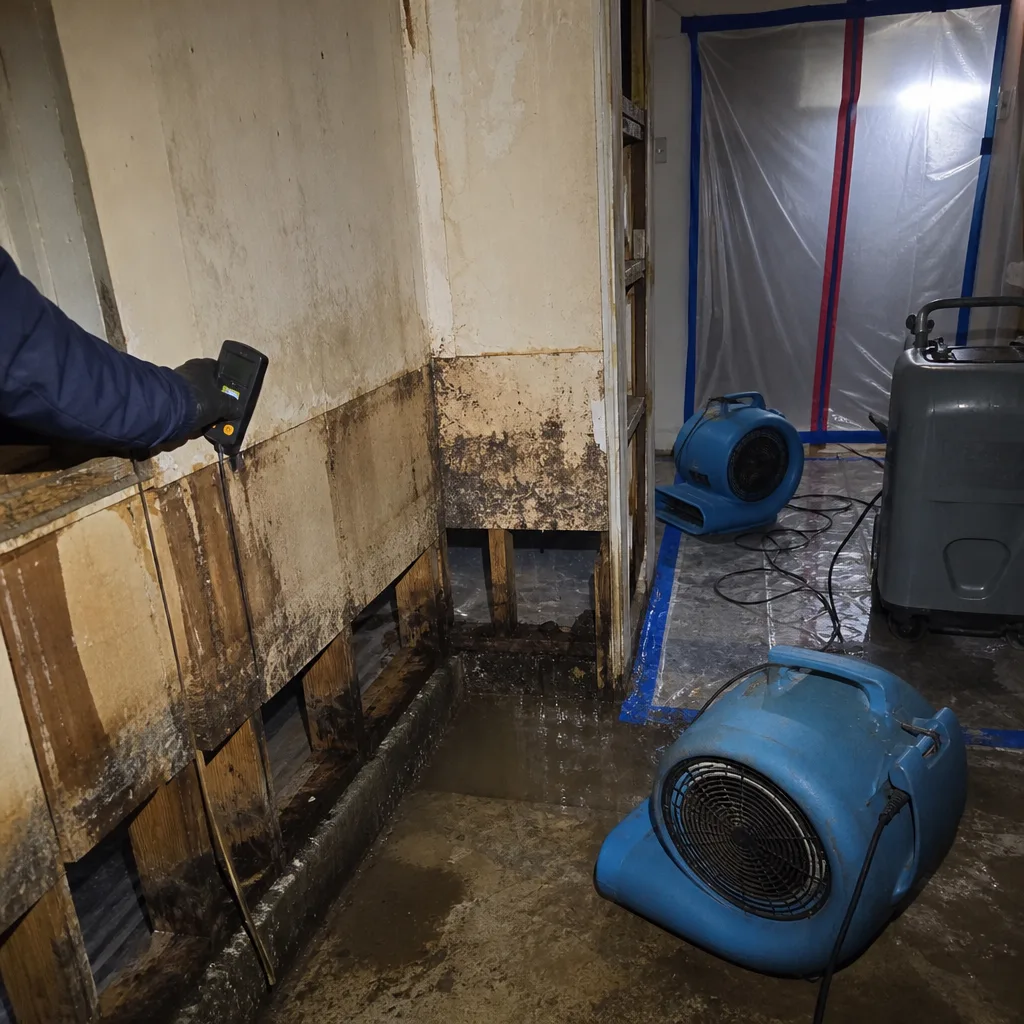 Before
 After
After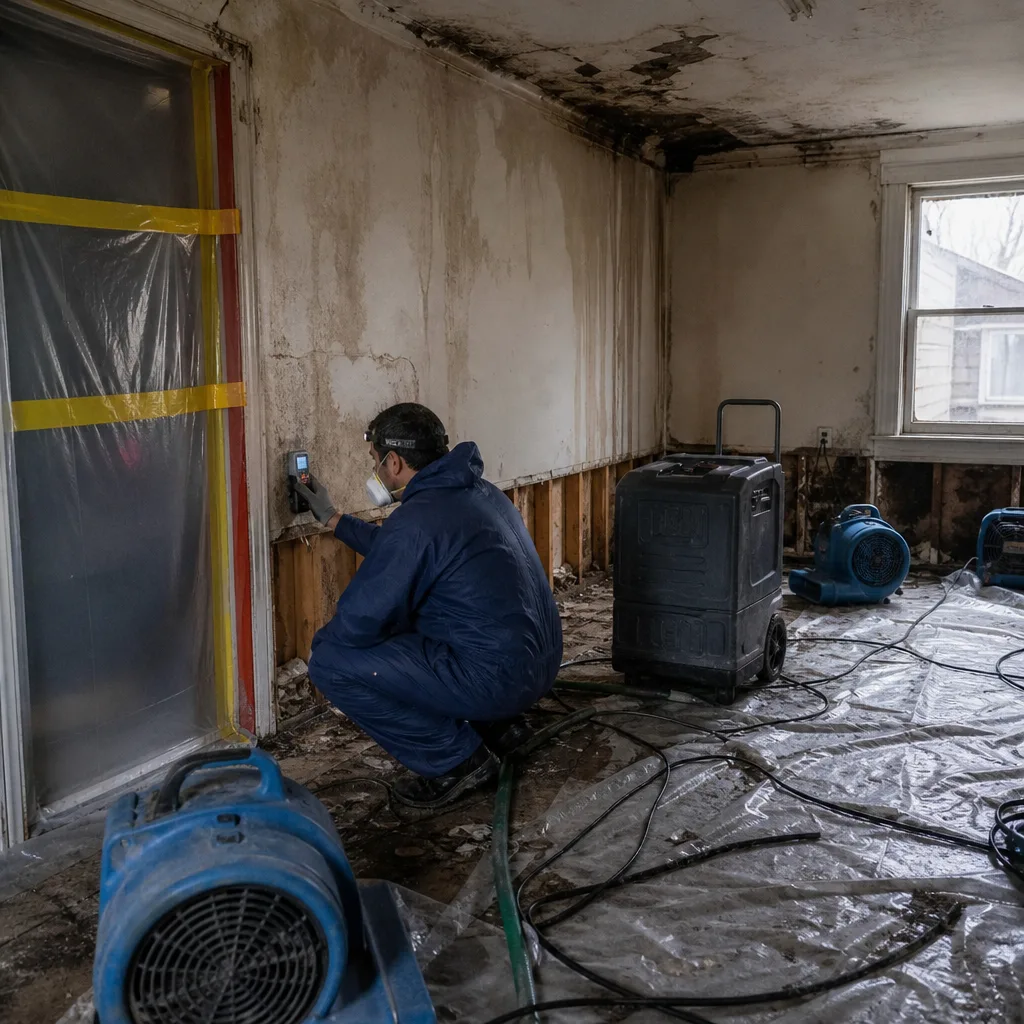 Before
 After
AfterTrusted Brands We Service in Tuckahoe
We run Dri-Eaz dehumidifiers and extraction units, Phoenix air movers, and XPOWER fans on most Tuckahoe jobs, depending on the size of the loss and the construction type we’re drying. These are the same machines large commercial restoration firms use on hospital and office losses, sized down for a village single-family home or duplex. Because we know the local stock of dehumidifiers and air movers available in the area, Tuckahoe customers aren’t waiting on equipment shipped from a regional warehouse. Our techs carry what they need, and when a job calls for more, we get it on site the same day.
We Also Serve Cities Near Tuckahoe
Our crews get called to Tuckahoe from all over southern Westchester, and we cover the surrounding villages and cities too. We serve Storm Damage Restoration in Tuckahoe plus Eastchester, Bronxville, Yonkers, and Scarsdale. Same response time, same written pricing, same Threshold Verified standard on every visit.
Serving Tuckahoe, NY - Our Local Coverage Area
We’re based in the Tuckahoe area and know this community well. Use the map below to see our service coverage - if you’re nearby, we can almost certainly help.
FAQs About Storm Damage Restoration in Tuckahoe
Mold can begin to colonize in as little as 48 hours in Tuckahoe’s plaster-and-lath walls, especially during the humid stretch from June through September. The lime plaster holds moisture longer than drywall, and the wood lathe behind it is exactly the kind of organic material mold wants. If water entered your walls and you’re not sure how far it wicked, call (914) 233-3437 for a moisture assessment. We’ll tell you what’s wet and what isn’t before you spend a dollar.
Category 1 water is clean: a burst supply line, an overflowing tub, rainwater that never touched the ground. Category 3 water is contaminated: river water, sewage, storm runoff that carried silt and organic material into your basement. In Tuckahoe, a flooded walk-out basement on the east side is almost always category 3 because of the Bronx River silt in the runoff. Category 3 means containment, removal of saturated materials, antimicrobial treatment, and verification. It costs more to do correctly, and doing it incorrectly means mold.
Yes. River silt is a known problem for Tuckahoe homes built into the hillside east of the village center, and we treat it as contaminated material, not just mud. We contain the area, remove the silt, treat the surfaces it touched, and dry the wall assembly behind it. The mud line you see on the wall is only the part that’s visible; what wicked into the foundation and framing is what we’re actually dealing with. Tell us about the silt when you call (914) 233-3437, and we’ll bring the right containment gear on the first truck.
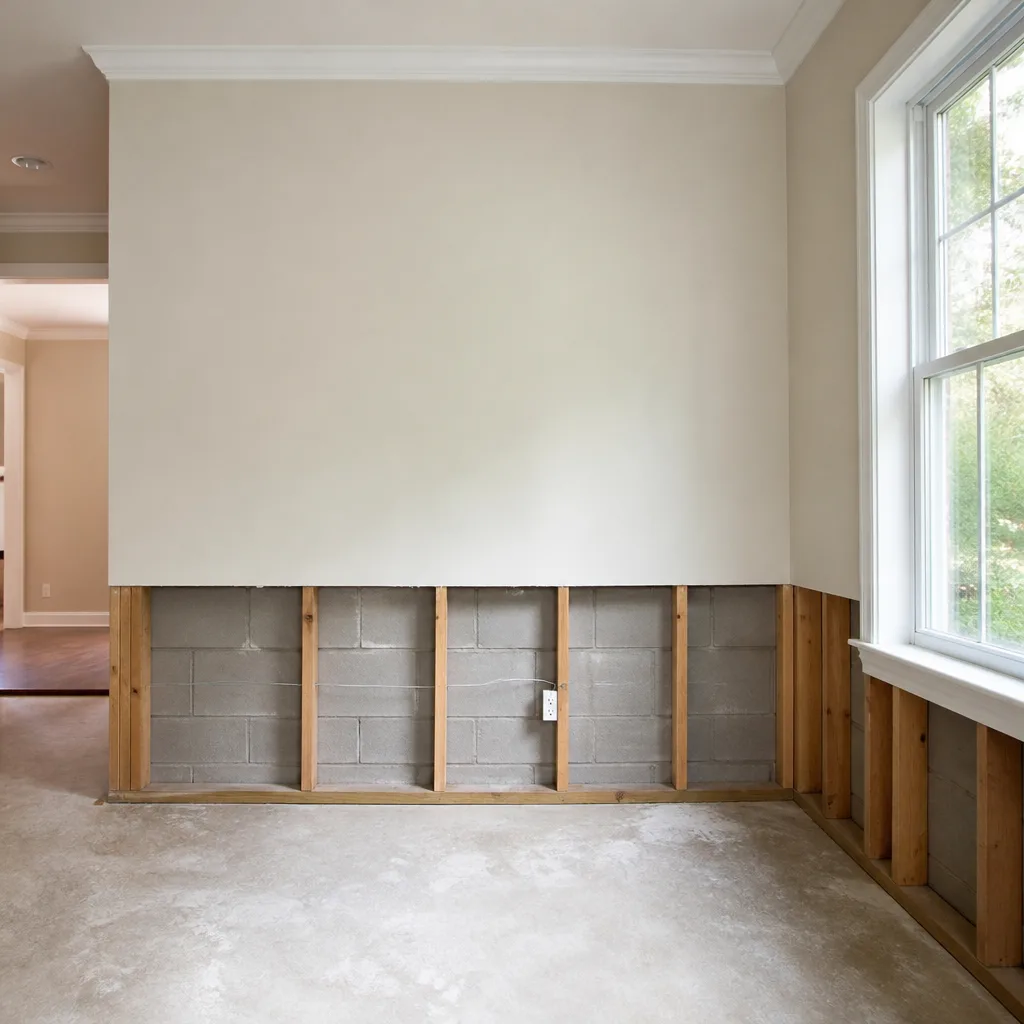
Sometimes yes, sometimes no. We remove plaster and lath when the water category was contaminated, when the material has lost structural integrity, or when drying it in place would take so long that mold becomes likely. In many Tuckahoe homes, we can dry plaster in place when the water was clean and we get there within the first day or two. The decision is made with moisture readings and written into your scope before any demo starts, so you’ll never come home to walls you didn’t approve removing.
We set containment with negative air pressure on every job in an attached duplex before we begin extraction. That means air flows into the work area, not out of it, so mold spores, silt dust, and contaminated air don’t push through the shared wall into your neighbor’s side. For Tuckahoe’s older duplexes, where party walls were built with materials that don’t stop air movement, this step is the difference between a contained loss and a building-wide problem. If your neighbor’s side is wet too, we’ll coordinate with both owners and both adjusters.
Call Marsh Water Damage Yonkers for Storm Damage Restoration in Tuckahoe
When you’re looking at water in your basement or a mud line creeping up your wall, you don’t need a callback queue. Call (914) 233-3437. A live person answers. We’ll tell you what to expect, send you the name and photo of your technician before they arrive, and put a written price in your hand before any work begins. Tobias Reyner and our Tuckahoe crews have seen this village’s worst storm seasons, and we know exactly what to do. Call now, and we’ll start the plan.
Written by Tobias Reyner, Owner at Marsh Water Damage Yonkers, serving Tuckahoe since 2005.